
Starbucks Recall: The Global Reset Reshaping the Coffeehouse Empire

March 12, 2026
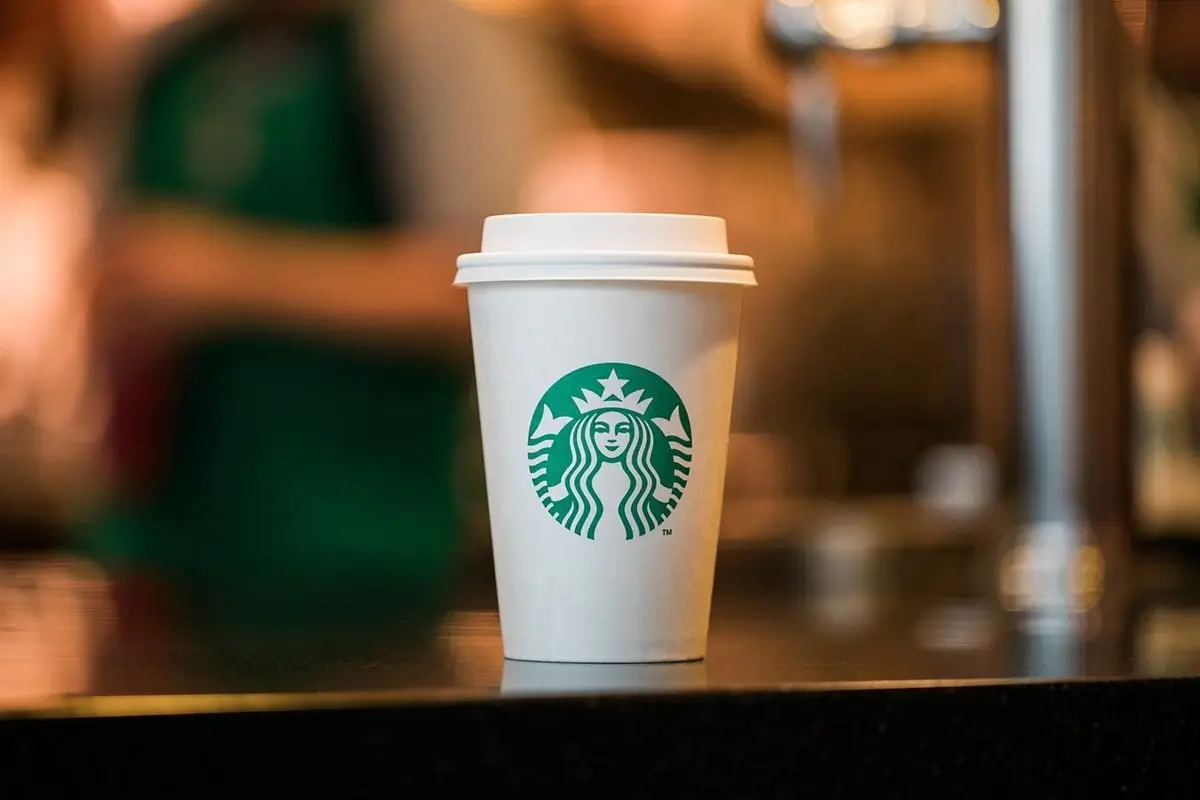
For decades, Starbucks seemed unstoppable. The green siren logo appeared everywhere—from Manhattan corners to airport terminals, suburban plazas, train stations, and international megacities. By the early 2020s, the Seattle-born coffee chain had become not only a retail powerhouse but also a cultural institution.
Yet the idea that Starbucks would continue expanding indefinitely has begun to fracture. In 2025, the company closed hundreds of stores across North America and began a sweeping restructuring effort aimed at redefining what the Starbucks coffeehouse should look like in the modern world. Roughly 400 locations were shuttered across major metropolitan areas, including dozens in New York City alone, as part of a broader strategic reset.
These closures are not simply about shrinking the business. They represent something deeper: a recalibration of a brand that once pursued growth at nearly any cost.
stir
Starbucks began in 1971 as a modest coffee bean retailer in Seattle’s Pike Place Market. The founders—Jerry Baldwin, Zev Siegl, and Gordon Bowker—did not originally intend to run cafés. They sold high-quality coffee beans and equipment to home brewers.
The transformation into a global café chain came later, largely through the vision of Howard Schultz. Inspired by Italian espresso bars, Schultz imagined Starbucks as a “third place” between home and work where people could gather, relax, and connect.
grad
From the late 1980s through the early 2000s, Starbucks expanded at breakneck speed.
The brand opened stores across North America, then Europe, Asia, and the Middle East. By the mid-2010s, Starbucks had tens of thousands of locations worldwide, with new cafés opening almost daily.
The strategy was simple:
-
Saturate high-density urban markets
-
Dominate commuter hubs and business districts
-
Expand aggressively into emerging global markets
At one point, Starbucks was infamous for opening stores so close together that customers joked about seeing one Starbucks from inside another.
But growth eventually creates its own problems.
the huh
By the early 2020s, Starbucks faced an uncomfortable truth: some of its stores were competing with each other.
The company had expanded so rapidly that certain neighborhoods—especially in large cities—had multiple Starbucks locations within a few blocks. When economic conditions tightened and consumer habits shifted, these redundant stores began to struggle.
In 2025, Starbucks leadership conducted a sweeping operational review and identified hundreds of underperforming locations. The result was a decision to close many of them, particularly in the United States and Canada.
Even after closures, Starbucks still maintains one of the largest retail footprints in the world, with over 41,000 stores globally as of early 2026.
But the company now wants those stores to be stronger, more profitable, and more distinctive.
strat
The closures are part of a larger turnaround initiative launched under CEO Brian Niccol.
The strategy—often referred to internally as “Back to Starbucks”—focuses on restoring the original coffeehouse experience while streamlining the company’s operations.
The restructuring plan includes:
-
Closing underperforming stores
-
Eliminating roughly 900 corporate roles
-
Investing heavily in redesigned cafés
-
Simplifying operations and improving service speed
The restructuring effort itself carries an estimated cost of about $1 billion.
While closures attract headlines, the broader strategy is actually about reinvestment.
renov
Starbucks has also committed to renovating roughly 1,000 stores to create warmer, more inviting spaces with varied seating and improved design elements.
The goal is simple but ambitious:
Make Starbucks feel like a café again.
pandemic
One of the biggest reasons behind Starbucks closures is the shift toward remote and hybrid work.
Before 2020, Starbucks locations in business districts thrived on morning commuters and lunchtime office crowds. When remote work became widespread, many of those customers disappeared overnight.
Some urban cafés never fully recovered.
As a result, Starbucks has been shrinking its presence in certain dense city centers while focusing on suburban drive-through locations and mixed-use neighborhoods.
mobile
Another major shift is the rise of mobile ordering.
Today, a large percentage of Starbucks drinks are ordered through the company’s mobile app before customers even enter the store.
That convenience has fundamentally changed store design. Traditional seating-heavy cafés are increasingly replaced by hybrid formats that combine:
-
mobile pickup counters
-
drive-through lanes
-
smaller dining areas
In some cases, Starbucks has even closed pickup-only locations that failed to create the kind of welcoming environment the company now wants to emphasize.
indie
When Starbucks expanded globally, it helped spark a worldwide coffee renaissance.
Ironically, that movement has produced thousands of independent cafés that now compete directly with Starbucks.
Third-wave coffee shops emphasize:
-
artisanal brewing methods
-
single-origin beans
-
minimalist café design
-
local community culture
These independent shops often feel more authentic and less corporate—an advantage Starbucks has struggled to counter.
grow
Meanwhile, other chains have adopted a different strategy focused on speed and convenience.
Companies like drive-through coffee chains have grown rapidly by prioritizing quick service and digital ordering.
This has created pressure on Starbucks from both ends of the market:
-
artisanal cafés offering quality and atmosphere
-
convenience chains offering speed and efficiency
Despite headlines about closures, Starbucks is still expanding globally.
The company continues to open new stores in many international markets while refining its footprint in North America.
Growth markets include
-
China
-
Southeast Asia
-
Latin America
-
the Middle East
-
parts of Europe
International comparable sales have even increased in recent quarters, demonstrating continued demand for the Starbucks brand worldwide.
In fact, the company plans to open hundreds of additional U.S. stores in the coming years as part of a long-term growth strategy that includes up to 5,000 new cafés nationally.
The paradox is striking:
Starbucks is closing stores and expanding simultaneously.
fwd
At the same time, Starbucks has faced criticism for representing corporate homogenization.
Critics argue the company has:
-
displaced local cafés
-
standardized global coffee culture
-
turned coffee into a haute commodity
Store closures in some cities have therefore sparked mixed reactions.
Some customers mourn losing convenient locations.
Others welcome the return of more independent cafés.
xp
Starbucks now appears to be revisiting the philosophy that originally made it successful.
Instead of focusing purely on scale, the company is emphasizing:
-
store design
-
customer experience
-
service speed
-
community atmosphere
Renovated cafés aim to encourage customers to stay longer rather than simply grab drinks and leave.
small
The ultimate goal is not to reduce Starbucks’ presence but to make it more sustainable.
By closing redundant or underperforming stores, the company hopes to create a network of locations that are:
-
more profitable
-
better designed
-
more aligned with modern consumer behavior
In other words, fewer Starbucks—but better Starbucks.
fin
Starbucks still dominates the global coffee industry. Its brand recognition remains enormous, and its financial resources allow it to reinvent itself in ways smaller competitors cannot.
Yet the closures signal an important shift.
The era of endless expansion may be over.
Instead, the future of Starbucks may revolve around something closer to its origins: thoughtfully designed cafés that serve as social spaces rather than mere caffeine dispensaries.



No comments yet.


