Nike G.T. Future — The Sculptural Return of Swooshman

March 19, 2026
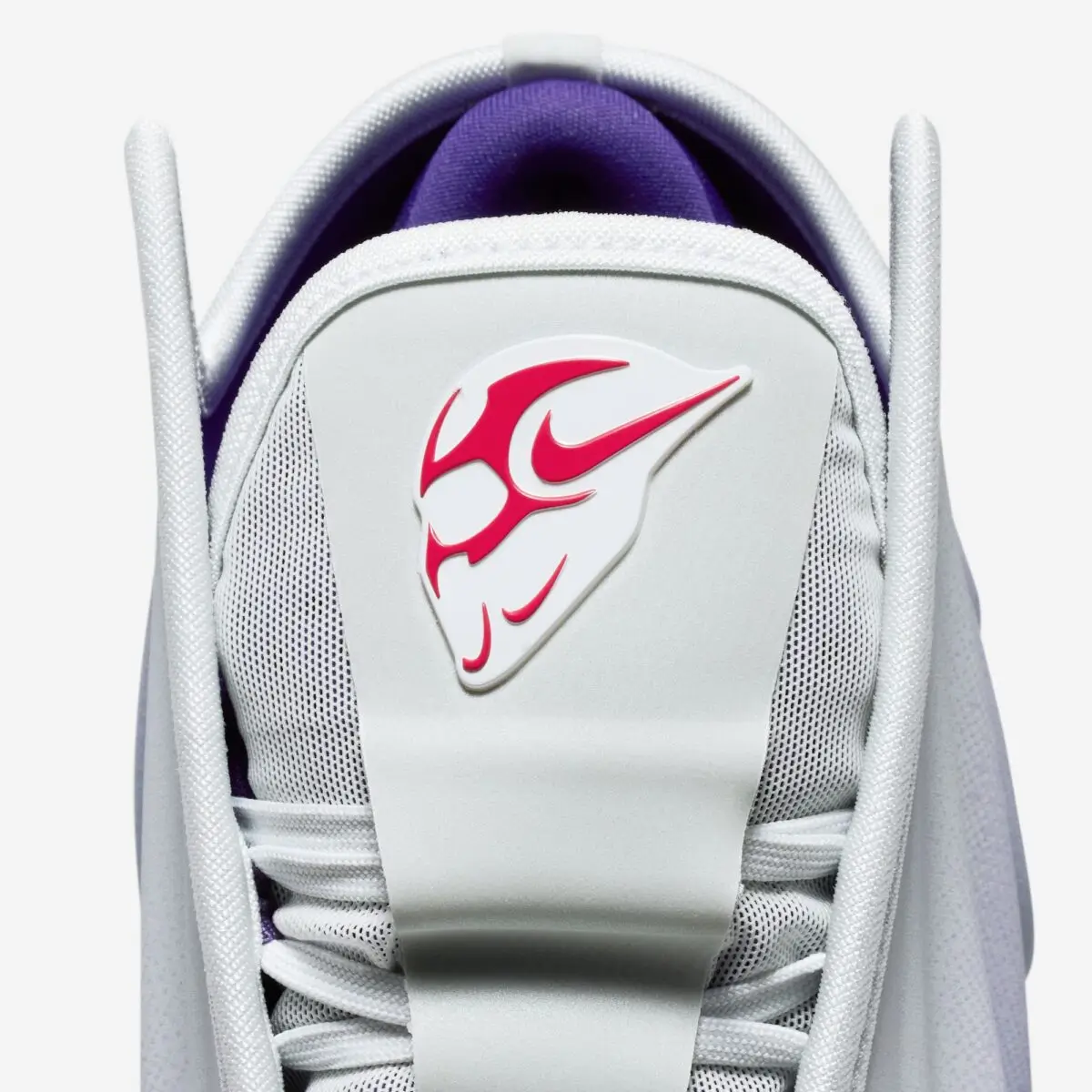
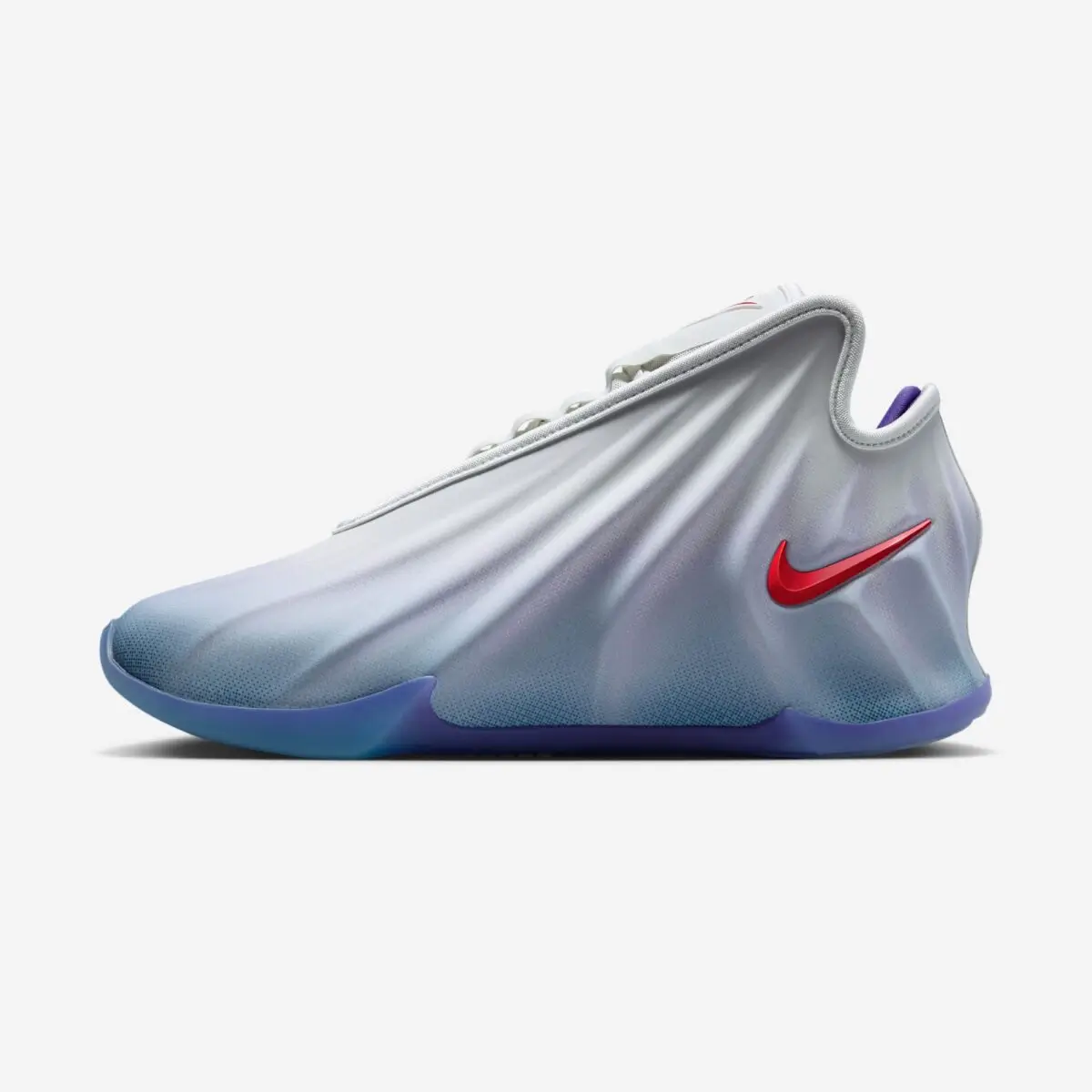
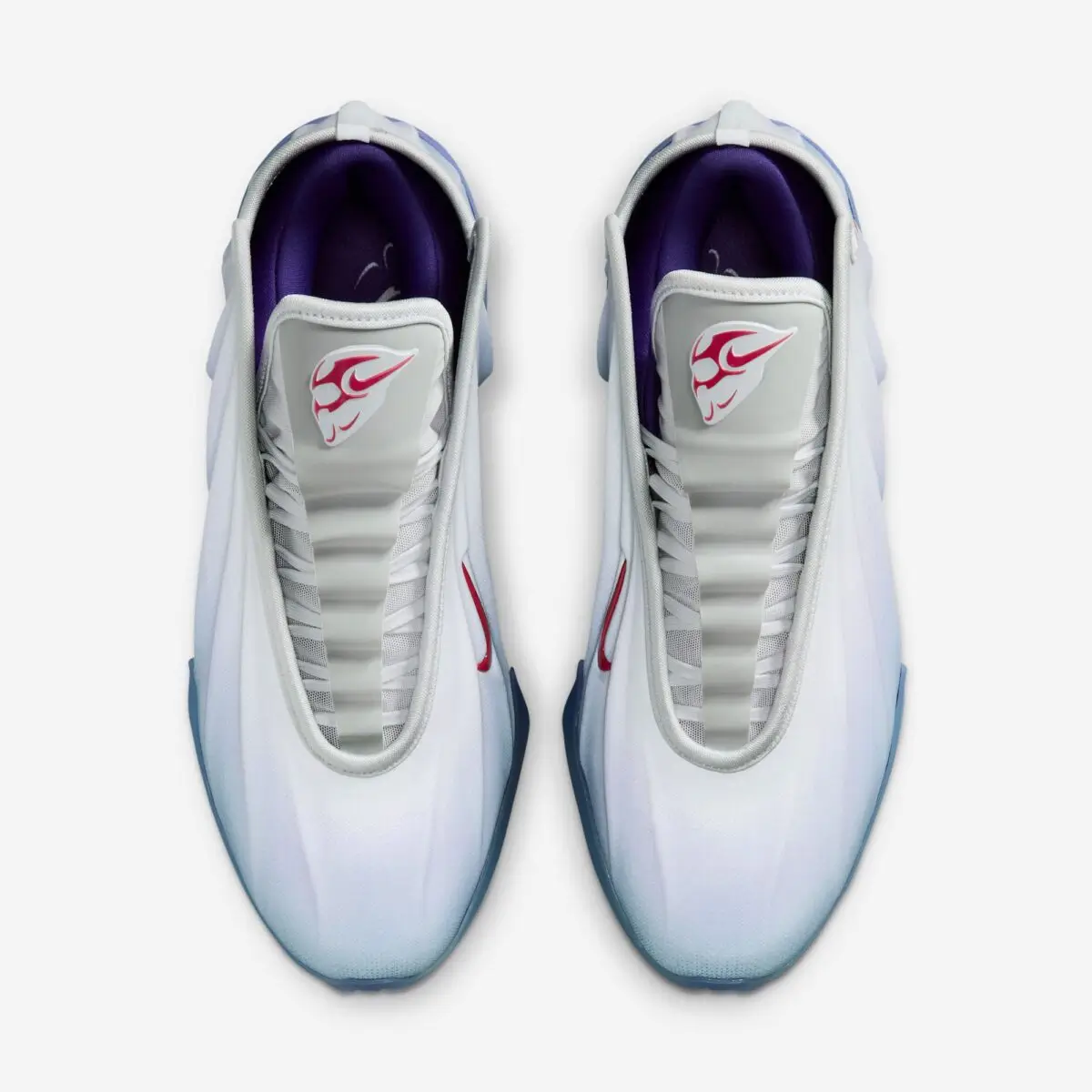
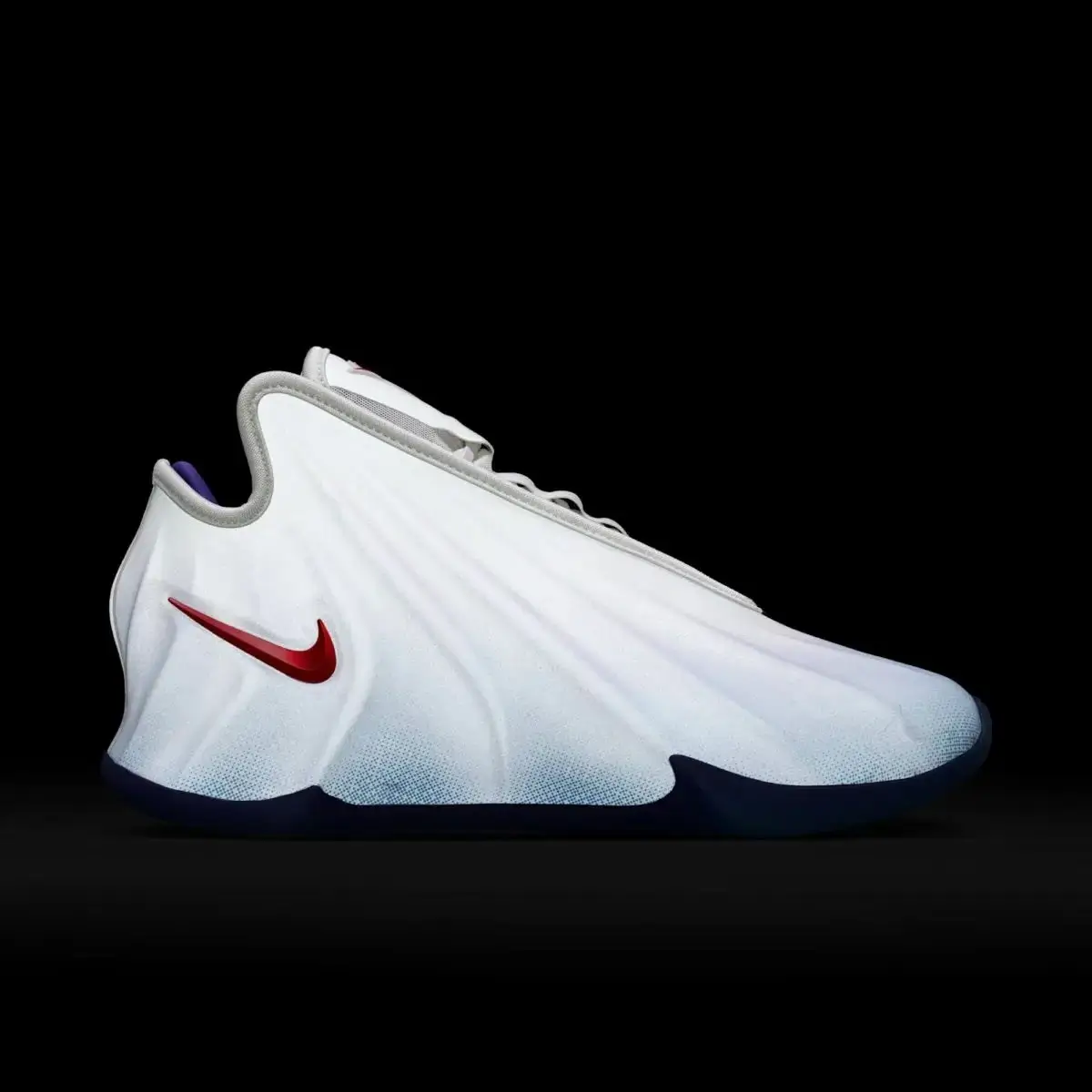
Nike has always understood the power of mythology. From Air to Flight to ACG, its legacy is built as much on storytelling as it is on performance innovation. Now, in a moment that feels both nostalgic and forward-facing, the brand’s experimental .SWOOSH division is reaching back into its archive to revive one of its more obscure yet visually potent icons: Swooshman. The return arrives not as a simple retro nod, but as a fully realized concept embedded within the futuristic framework of the Nike G.T. Future—a shoe that exists at the intersection of digital culture, performance basketball, and speculative design.
View this post on Instagram
imagine
Swooshman was never a mainstream Nike figure. Unlike the instantly recognizable Jumpman associated with Michael Jordan, Swooshman existed more on the periphery—a graphic experiment, a character that embodied motion, speed, and a kind of faceless athletic universality. In many ways, that ambiguity is precisely what makes the character relevant today. In a landscape dominated by avatars, skins, and digital personas, Swooshman feels less like a relic and more like a prototype.
The .SWOOSH department, Nike’s Web3 and digital product arm, understands this nuance. Rather than treating Swooshman as a mascot to be merchandised, it repositions the character as a modular identity—something that can evolve across digital and physical spaces. This is critical to understanding the Nike G.T. Future: it is not merely a shoe, but a narrative platform.
show
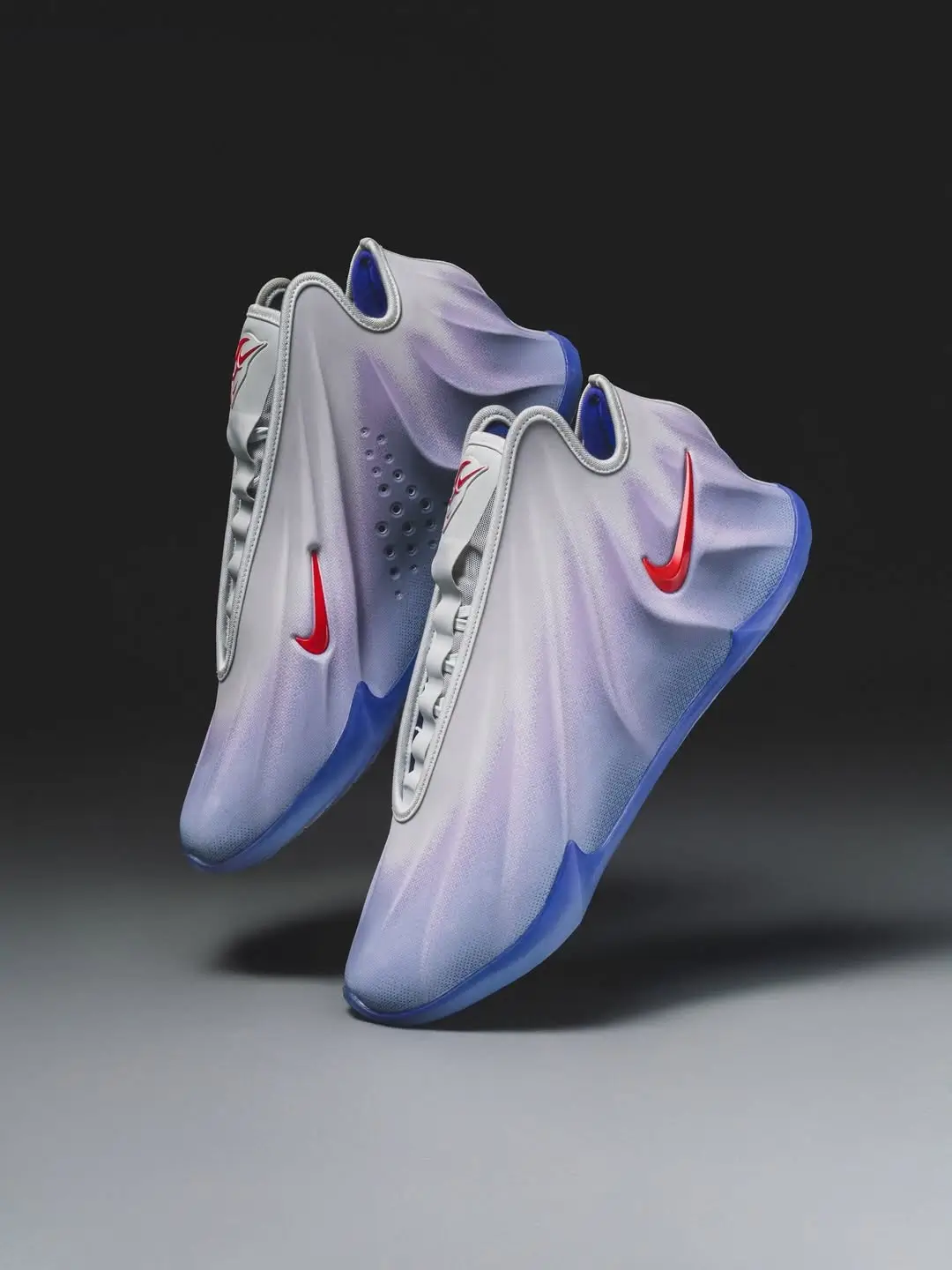
The Nike G.T. Future builds on the Greater Than (G.T.) performance line, originally designed to push the boundaries of basketball footwear. However, the “Future” iteration moves beyond incremental updates. It leans into exaggerated geometry, sculptural tooling, and materials that feel closer to concept automotive design than traditional sneakers.
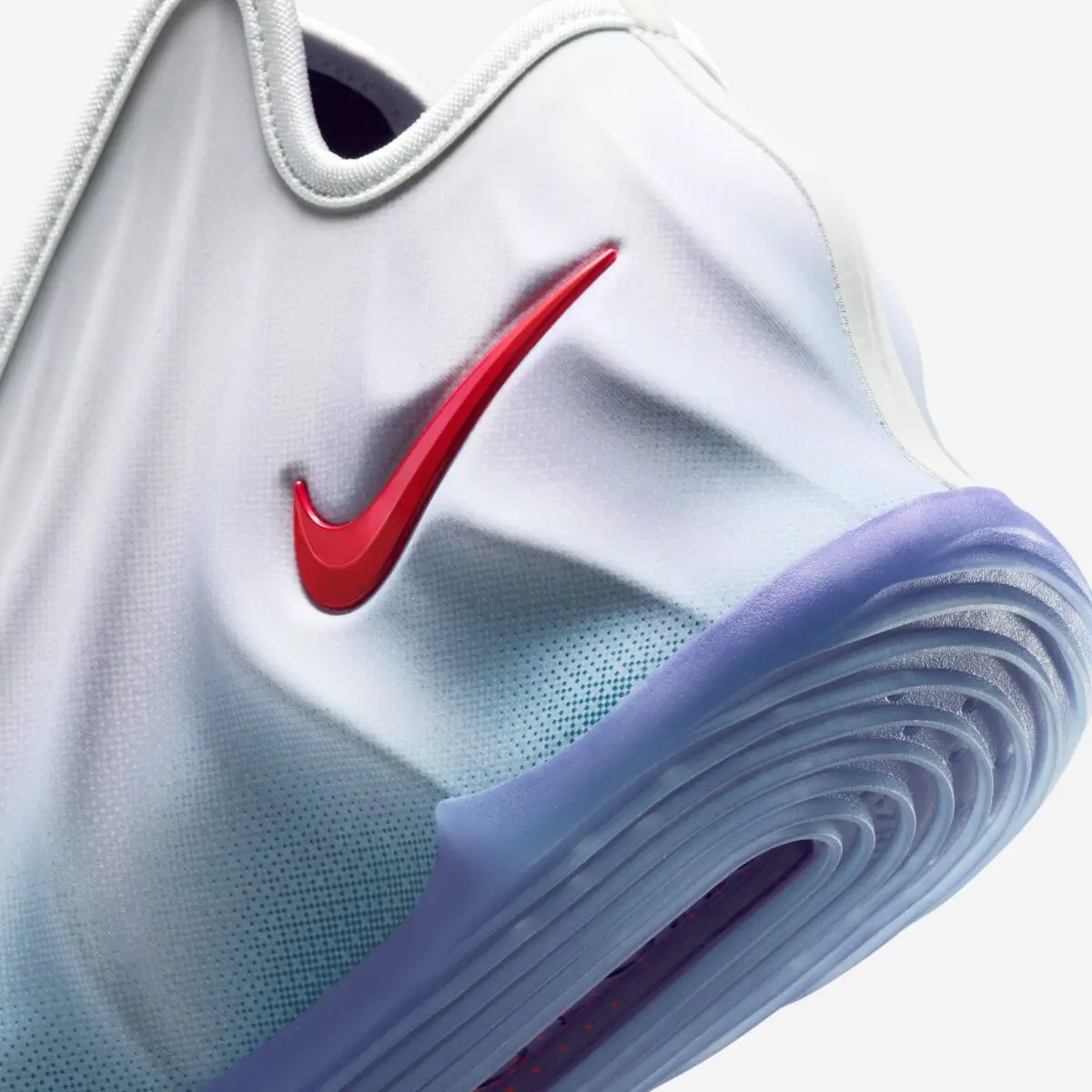
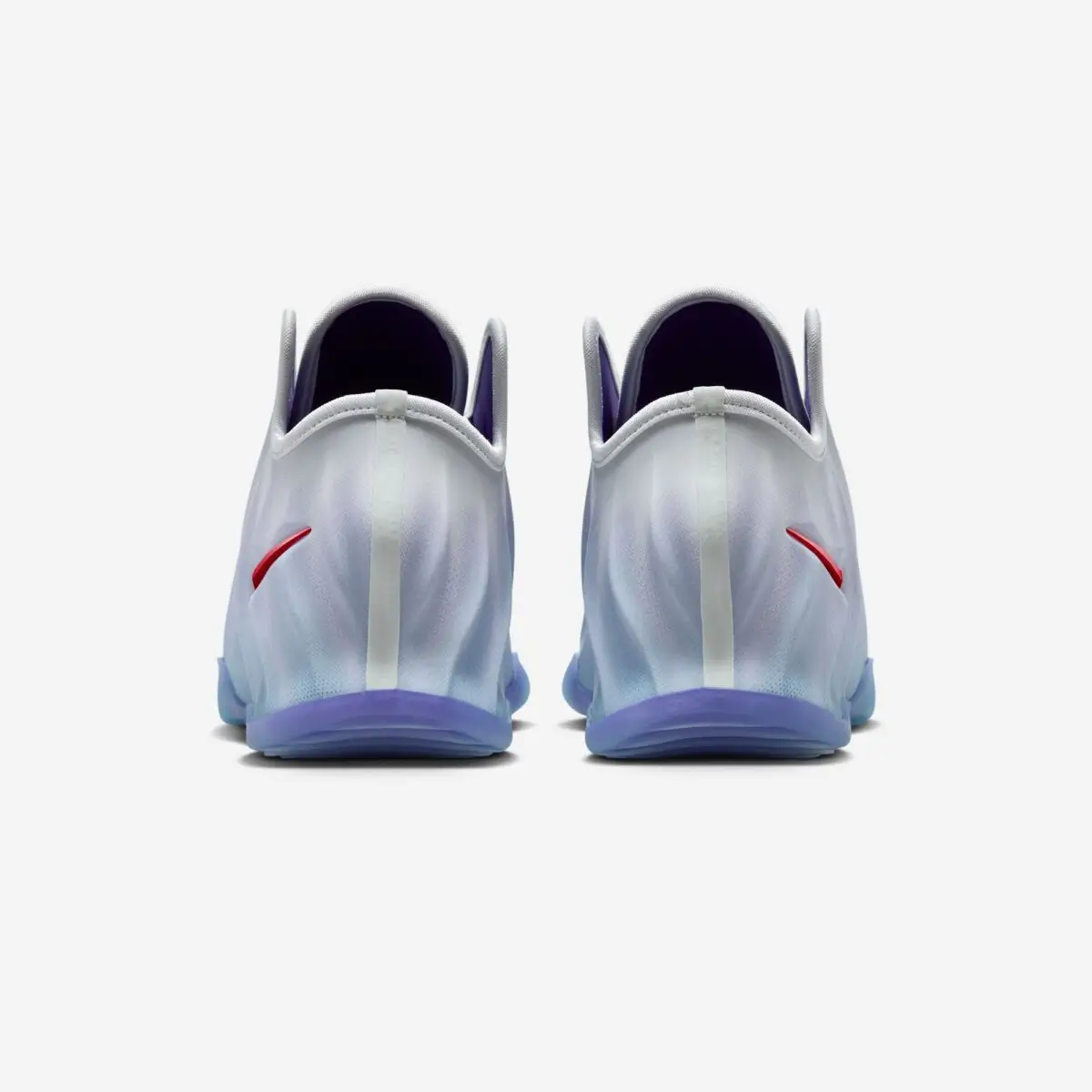
The upper appears almost seamless, with molded surfaces that suggest aerodynamic efficiency. There is a sense that the shoe has been grown rather than assembled—a design language increasingly prevalent in Nike’s experimental output. The sole unit, meanwhile, exaggerates propulsion, hinting at energy return systems that align with the demands of modern, positionless basketball.
Yet what distinguishes the G.T. Future is not just its performance intent, but its storytelling overlay. Swooshman is integrated into the design not as a logo, but as a presence. Subtle graphical cues, digital textures, and augmented-reality extensions position the shoe within a broader ecosystem—one where ownership might extend beyond the physical product into digital collectibles and interactive experiences.
evolve
Nike’s .SWOOSH platform represents a shift in how the brand conceptualizes product. It is no longer sufficient for a sneaker to exist purely as a physical object. Instead, each release becomes a node within a larger network of digital engagement. With the G.T. Future, this philosophy becomes tangible.
Buyers are not simply purchasing a shoe; they are entering a system. Digital twins, unlockable content, and community-driven storytelling all become part of the equation. Swooshman functions as a connective thread—a character that can traverse these layers, appearing in virtual environments as easily as on a pair of performance sneakers.
This approach aligns with broader shifts in consumer behavior. Younger audiences, raised on gaming and digital economies, expect fluidity between physical and virtual identities. Nike’s strategy acknowledges this, positioning .SWOOSH as both a creative lab and a cultural bridge.
idea
What makes the revival of Swooshman particularly compelling is its refusal to indulge in pure nostalgia. Unlike retro releases that aim to replicate the past, the G.T. Future uses history as raw material. The character is not restored; it is reinterpreted.
This distinction matters. In a market saturated with archival reissues, innovation often comes from reframing rather than recreating. By embedding Swooshman within a futuristic context, Nike avoids the trap of sentimentality. Instead, it creates a dialogue between eras—one that feels relevant rather than referential.
style
Visually, the G.T. Future embodies a kind of controlled aggression. Its lines are sharp yet fluid, its surfaces reflective yet understated. There is an emphasis on motion, even at rest—a quality that echoes the original intent behind Swooshman.
The character itself, historically defined by its lack of facial features, resonates with contemporary ideas of anonymity and universality. In an era where identity can be both hyper-visible and deliberately obscured, Swooshman’s facelessness feels newly significant. It allows the wearer—or the user—to project themselves onto the narrative.
This is particularly relevant within the context of basketball culture, where individuality and team dynamics constantly intersect. The G.T. Future captures this tension, offering a design that feels both personal and collective.
cept
Despite its conceptual framing, the G.T. Future does not abandon performance. Nike’s G.T. line has consistently emphasized responsiveness, cushioning, and court feel. The Future iteration builds on these foundations, integrating advanced foam compounds and traction patterns designed for multidirectional movement.
The challenge, of course, lies in balancing innovation with usability. Concept-driven designs can sometimes prioritize aesthetics over function. However, Nike’s track record suggests a commitment to ensuring that even its most experimental products retain real-world applicability.
In this sense, the G.T. Future operates as both a performance tool and a design statement. It is meant to be worn, not just admired.
fwd
The revival of Swooshman through the G.T. Future signals a broader shift in Nike’s cultural strategy. Rather than relying solely on athlete-driven narratives, the brand is expanding its storytelling toolkit. Characters, digital ecosystems, and speculative design all become part of the mix.
This does not diminish the importance of athletes; rather, it complements it. Figures like LeBron James and Kevin Durantcontinue to anchor Nike’s performance credibility. But alongside them, entities like Swooshman offer a different kind of engagement—one that is less about individual achievement and more about collective imagination.
The .SWOOSH department plays a crucial role in this evolution. By operating at the edge of Nike’s traditional structure, it allows for experimentation that might not be possible within the core business. The G.T. Future is a product of this freedom.
fin
The Nike G.T. Future is less about a single release and more about a direction. It suggests a future where shoes are not static objects, but dynamic platforms—where design, technology, and storytelling converge.
For Nike, this is not just an experiment. It is a blueprint. And if the G.T. Future is any indication, the next chapter of sneaker culture will be defined not just by what we wear, but by the worlds those products create.