Tekla Slippers — A Soft Approach to Modern Living

March 18, 2026
In an era where fashion increasingly extends beyond the street and into the sanctuary of home, the emergence of refined indoor wear has become more than a seasonal indulgence—it is a cultural shift. The slippers by Tekla embody this evolution with quiet precision. They are not simply footwear; they are a study in restraint, material honesty, and the understated luxury that defines contemporary domestic aesthetics.
Tekla, known for its Copenhagen-rooted philosophy, has built its identity around essentials—bedding, towels, and home garments that reject excess in favor of purity. These slippers follow that lineage. At first glance, they appear almost anonymous: soft, cream-toned, and devoid of loud branding. Yet within that simplicity lies their strength. They are designed not to announce themselves, but to integrate seamlessly into a life curated with intention.
mat
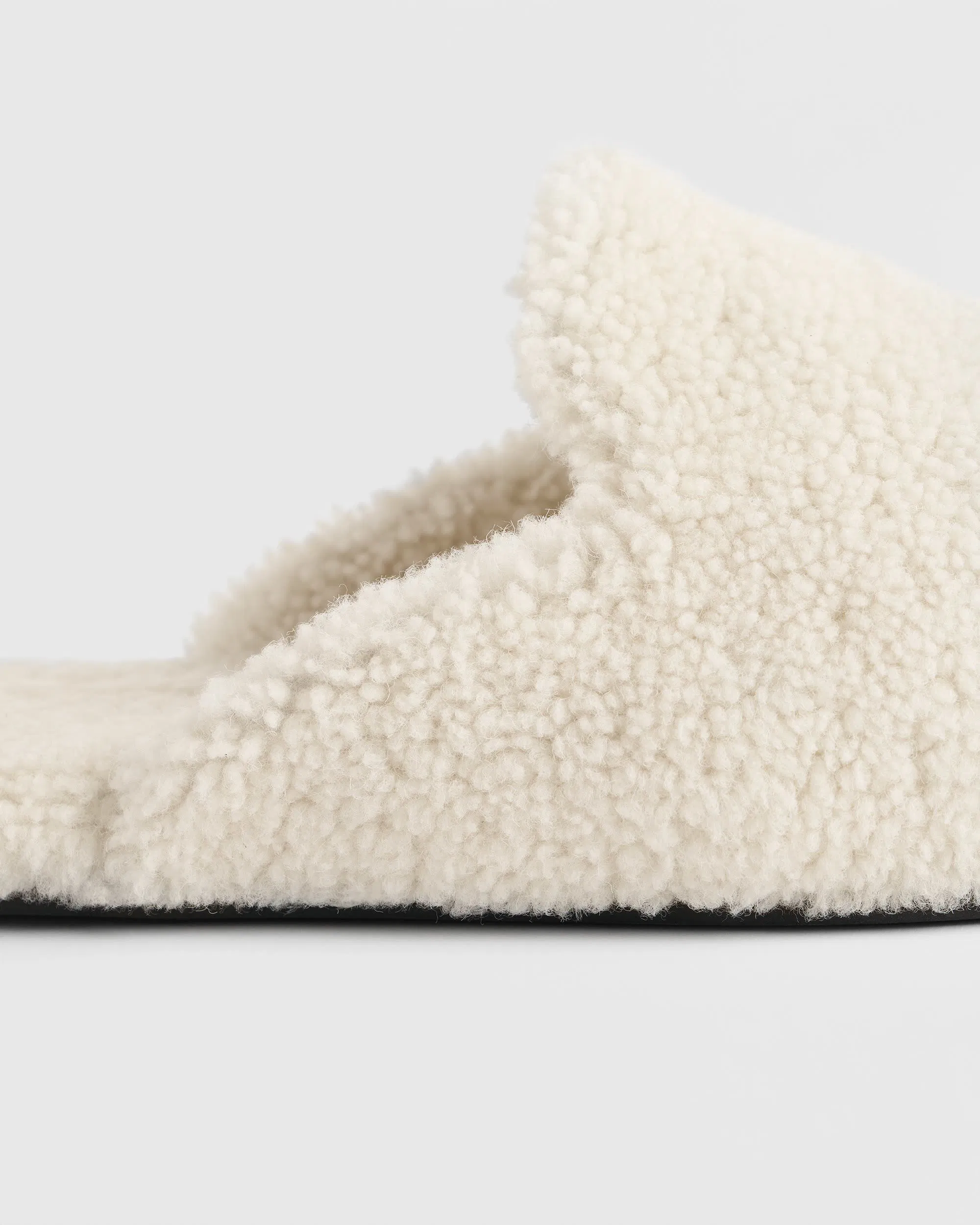
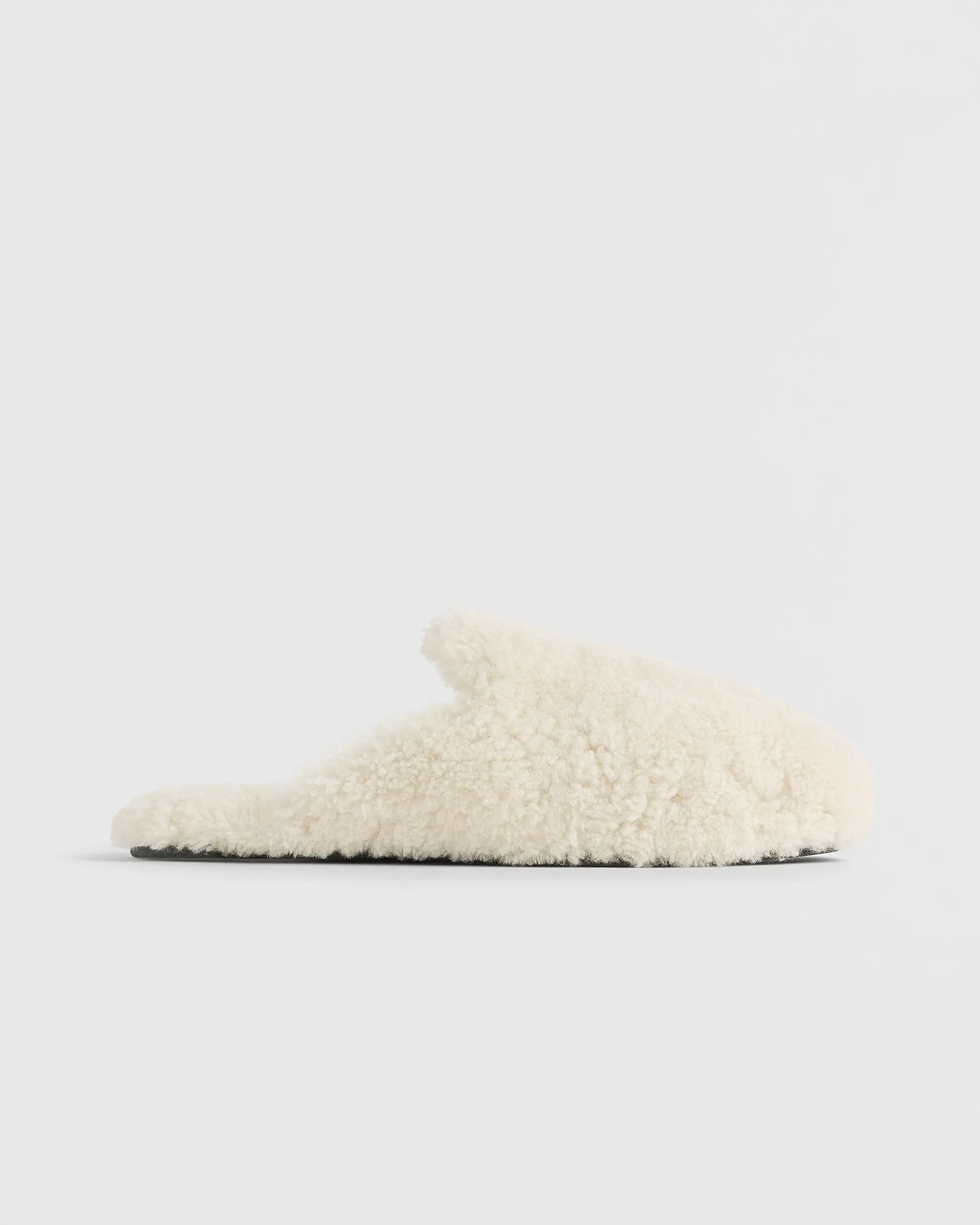
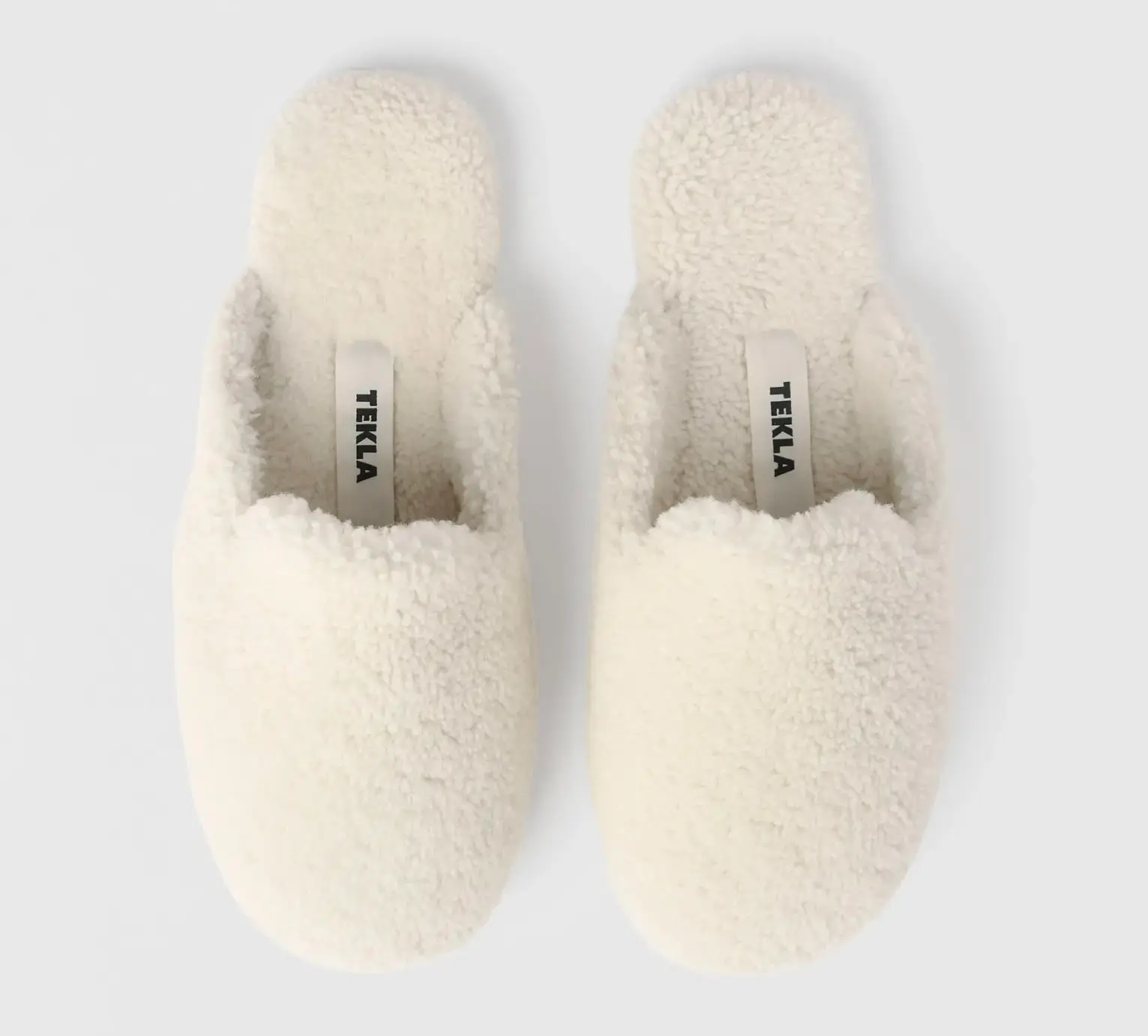
The defining feature of Tekla’s slippers is their tactile richness. Crafted from plush shearling, the exterior presents a dense, cloud-like texture that feels both organic and engineered. The wool fibers are not overly processed; instead, they retain a natural irregularity that enhances their visual depth. This creates a surface that catches light subtly, shifting between matte softness and gentle luminosity depending on movement.
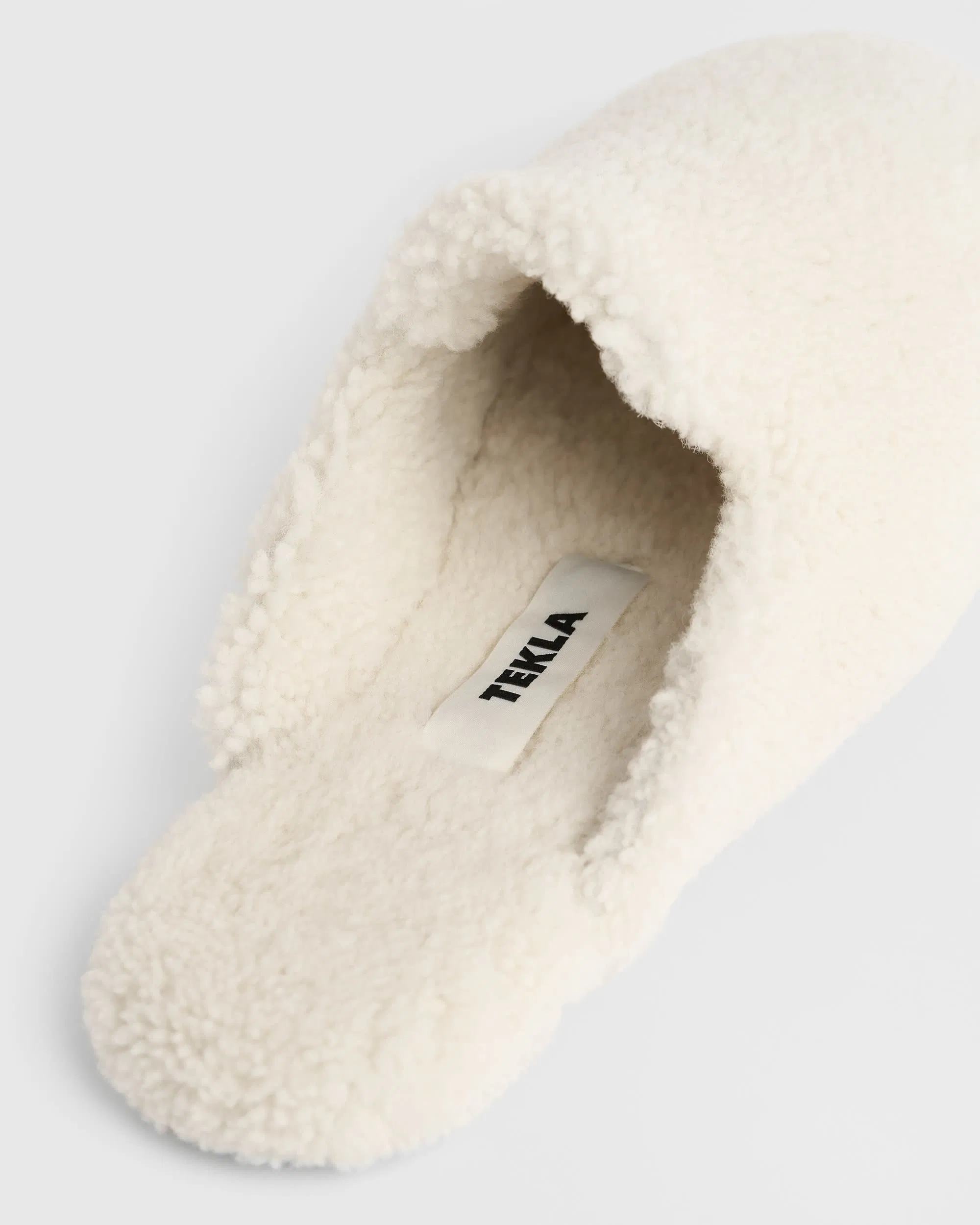
Inside, the experience deepens. The footbed is lined with the same insulating material, creating an enveloping warmth that feels immediate yet breathable. Unlike synthetic alternatives that trap heat, shearling regulates temperature, making these slippers suitable across seasons. The sensation is not just comfort—it is calibration. Your foot settles, supported but not constrained, cushioned without losing contact with the ground.
The sole, discreetly finished in a darker tone, introduces a necessary contrast. It grounds the slipper both visually and functionally, offering durability for short transitions beyond the bedroom—whether stepping onto a terrace, crossing hardwood floors, or navigating stone surfaces. This duality—softness above, structure below—reflects Tekla’s broader design language.
View this post on Instagram
sil
The silhouette is deliberately uncomplicated. A closed-toe, slip-on profile ensures ease, while the slightly raised upper creates a cocoon-like enclosure. There are no exaggerated curves, no experimental cuts. Instead, the form follows a logic of comfort and continuity.
Proportion plays a critical role. The slippers maintain a balanced volume—substantial enough to feel protective, yet not oversized to the point of novelty. This equilibrium allows them to function as both a practical item and a visual complement to a minimalist wardrobe. Paired with loungewear, tailored sweats, or even structured indoor garments, they hold their own without disrupting the overall composition.
The branding is minimal, reduced to a small internal tag. This choice is intentional. In a market saturated with visible logos, Tekla opts for discretion, aligning itself with a new definition of luxury—one that values recognition by feel and form rather than by symbol.
grad
The popularity of pieces like Tekla’s slippers cannot be separated from a broader cultural movement. Over the past decade, the home has transformed from a purely functional environment into a curated extension of personal identity. Furniture, textiles, and even everyday objects are selected with the same care once reserved for public-facing fashion.
In this context, slippers become more than an afterthought. They are part of a visual and sensory ecosystem. Tekla’s offering fits seamlessly into interiors defined by neutral palettes, natural materials, and clean lines. Think linen bedding, untreated wood, and soft, diffused lighting. The slippers do not compete with this environment—they complete it.
This alignment with interior culture also positions Tekla within a specific lifestyle narrative. It is not about opulence, but about intentional living. The brand speaks to individuals who prioritize quality over quantity, who invest in fewer, better الأشياء, and who understand that comfort can coexist with design integrity.
day
One of the most compelling aspects of Tekla’s slippers is how they transform routine moments. Sliding into them in the morning becomes a tactile ritual, a transition from rest to wakefulness. In the evening, they signal a return—a shedding of external pressures in favor of internal calm.
These micro-experiences are often overlooked, yet they shape our perception of daily life. By refining such a simple object, Tekla invites a reconsideration of what luxury means. It is not necessarily grand or rare; it can be quiet, repetitive, and deeply personal.
There is also a psychological dimension at play. The softness of the material, the neutrality of the color, and the absence of visual noise contribute to a sense of calm. In a world saturated with stimuli, such restraint becomes not just aesthetic, but therapeutic.
sustain
While Tekla does not position itself overtly as a sustainability brand, its approach inherently supports longevity. The use of natural materials, combined with timeless design, encourages prolonged use. These are not trend-driven pieces meant to be replaced each season. They are intended to age, to soften further, and to integrate more deeply into the user’s life over time.
The durability of the sole and the resilience of shearling ensure that the slippers can withstand regular wear without significant degradation. This longevity aligns with a broader shift in consumer behavior—away from disposability and toward mindful acquisition.
contempo
It would be reductive to categorize Tekla’s slippers solely as homewear. They exist at the intersection of fashion, design, and lifestyle. As the boundaries between these categories continue to blur, items like this gain new relevance.
The rise of “indoor dressing” as a legitimate style category has opened space for brands like Tekla to thrive. No longer confined to private spaces, such pieces are increasingly visible—whether through social media, editorial shoots, or even casual public outings. The slipper, once hidden, becomes part of the narrative.
Yet Tekla resists the urge to overextend. The design remains rooted in its original purpose. This restraint is perhaps its most defining feature. In choosing not to chase visibility, the brand achieves a different kind of presence—one that feels authentic and enduring.
fin
Tekla’s slippers are a quiet statement. They do not rely on innovation in the conventional sense, nor do they seek to disrupt. Instead, they refine. They take a familiar object and elevate it through material, proportion, and philosophy.
In doing so, they capture a moment in contemporary culture—one where comfort, design, and intentional living converge. They remind us that luxury does not always need to be seen to be felt. Sometimes, it exists in the softness beneath our feet, in the silence of a well-designed object, and in the rituals that define our everyday lives.
For those attuned to this language, Tekla’s slippers are not just an accessory. They are an experience—subtle, enduring, and deeply considered.