The Columbia River Valley Lookout Cabin in British Columbia

March 7, 2026
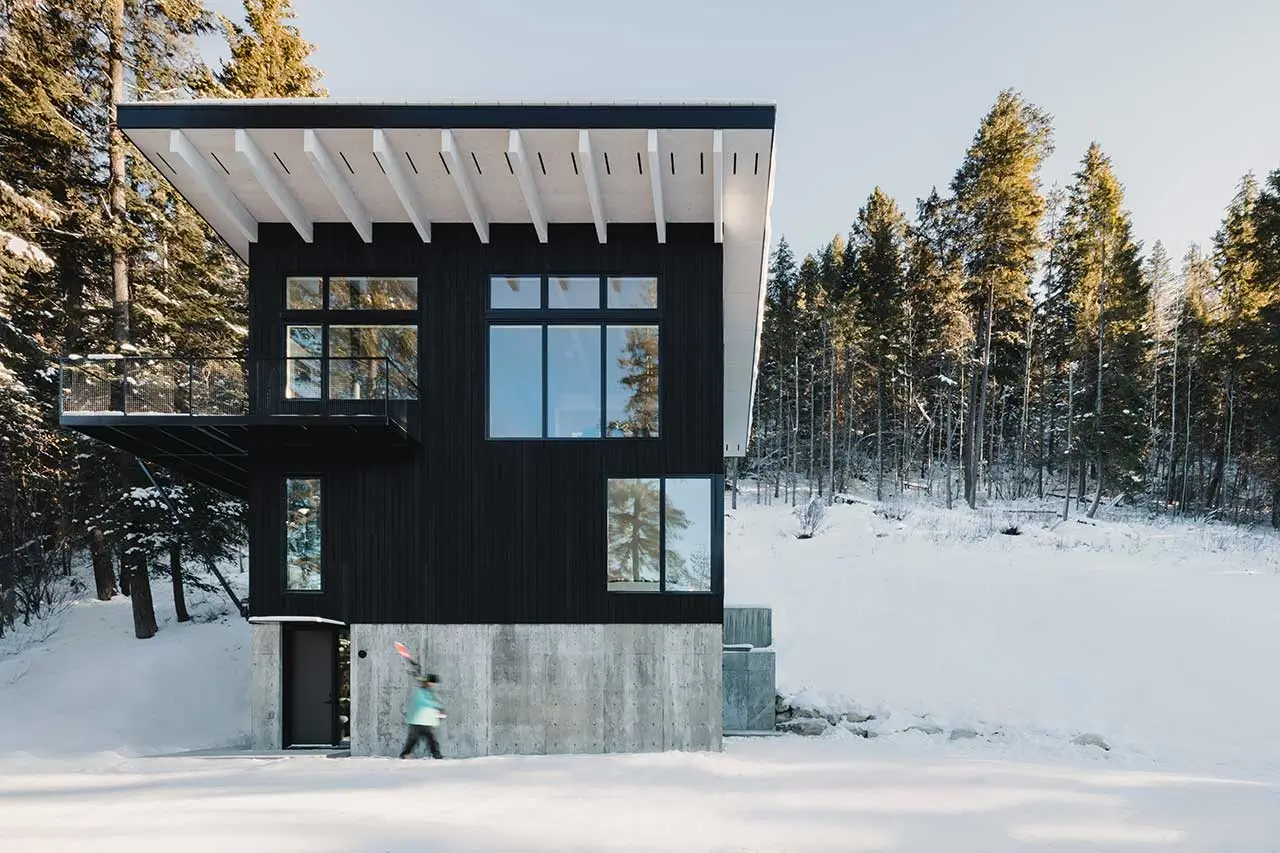
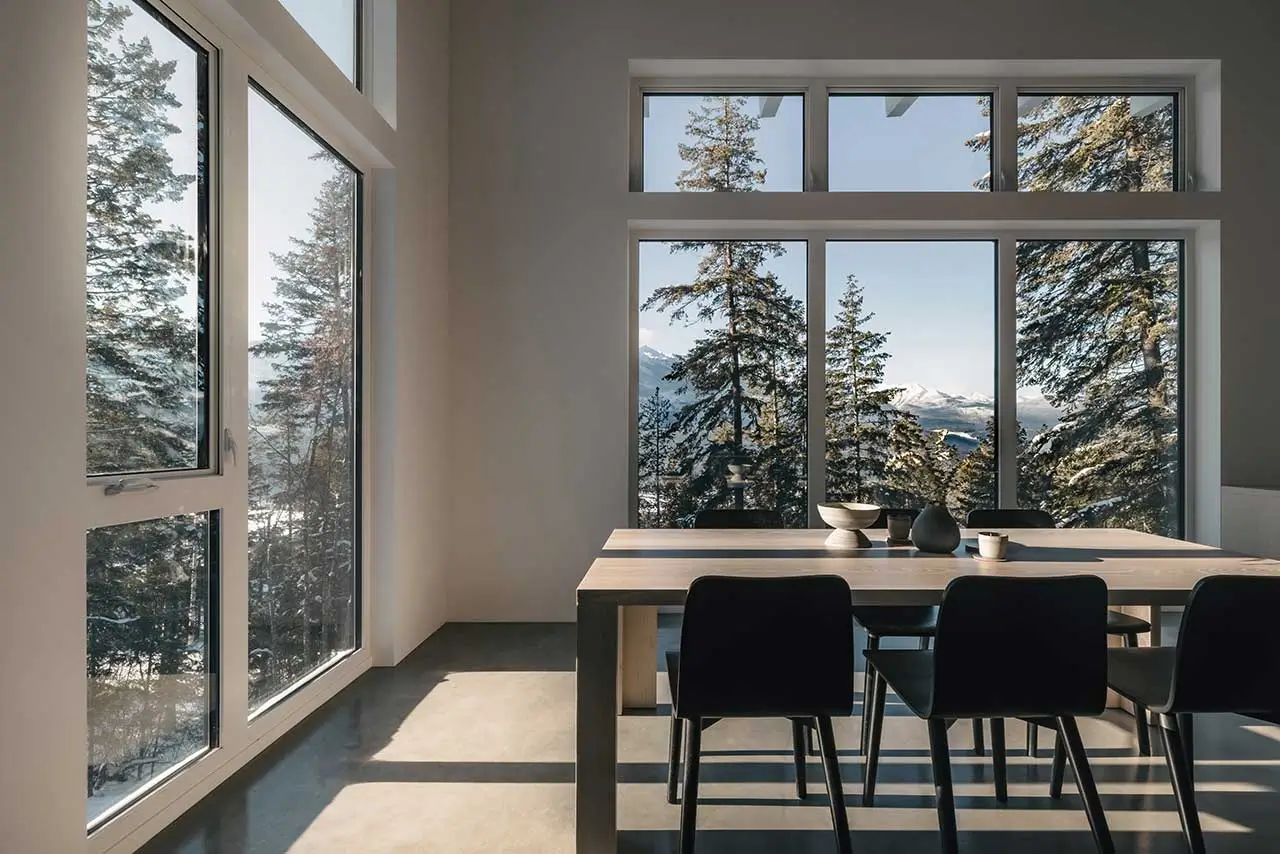
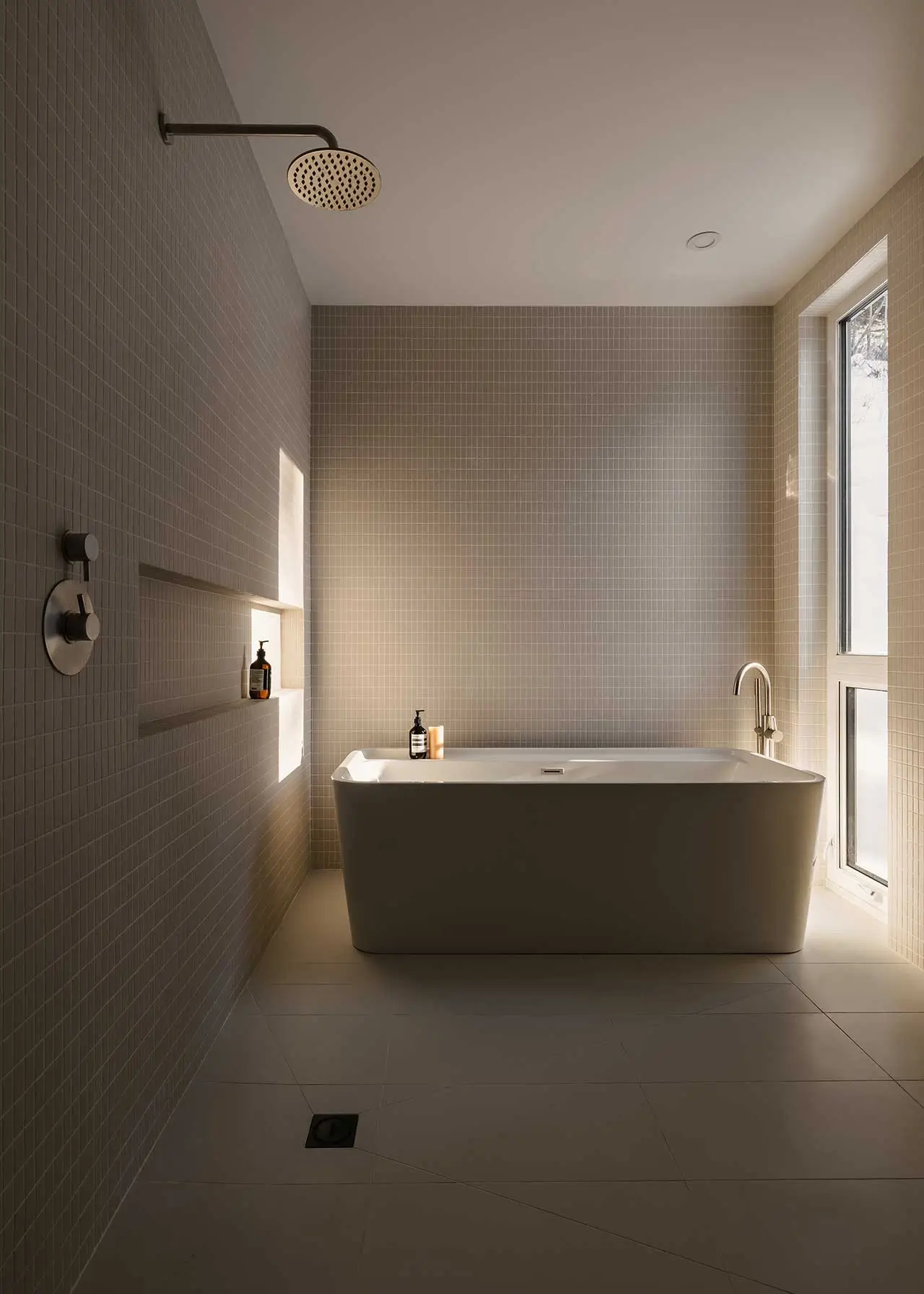
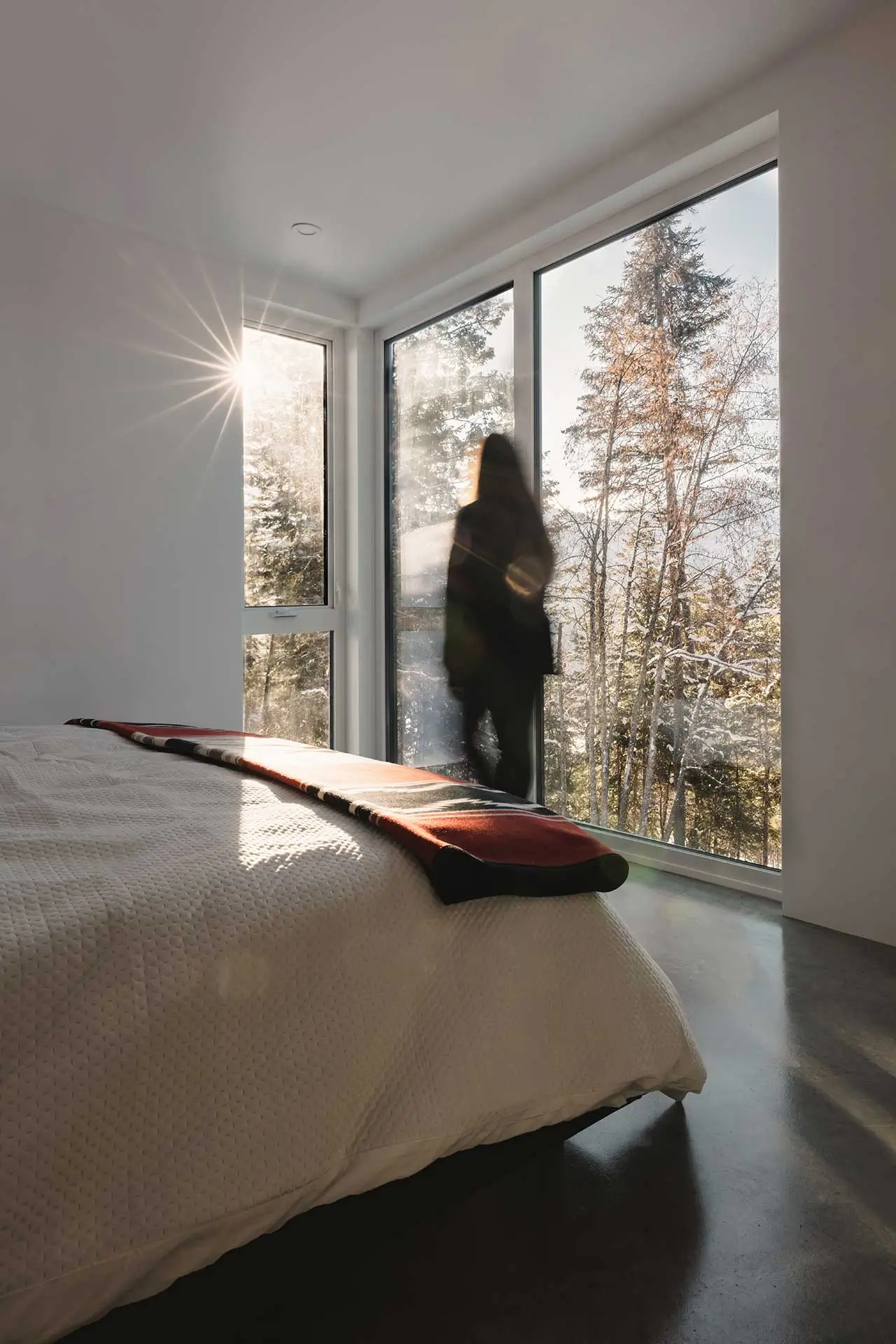
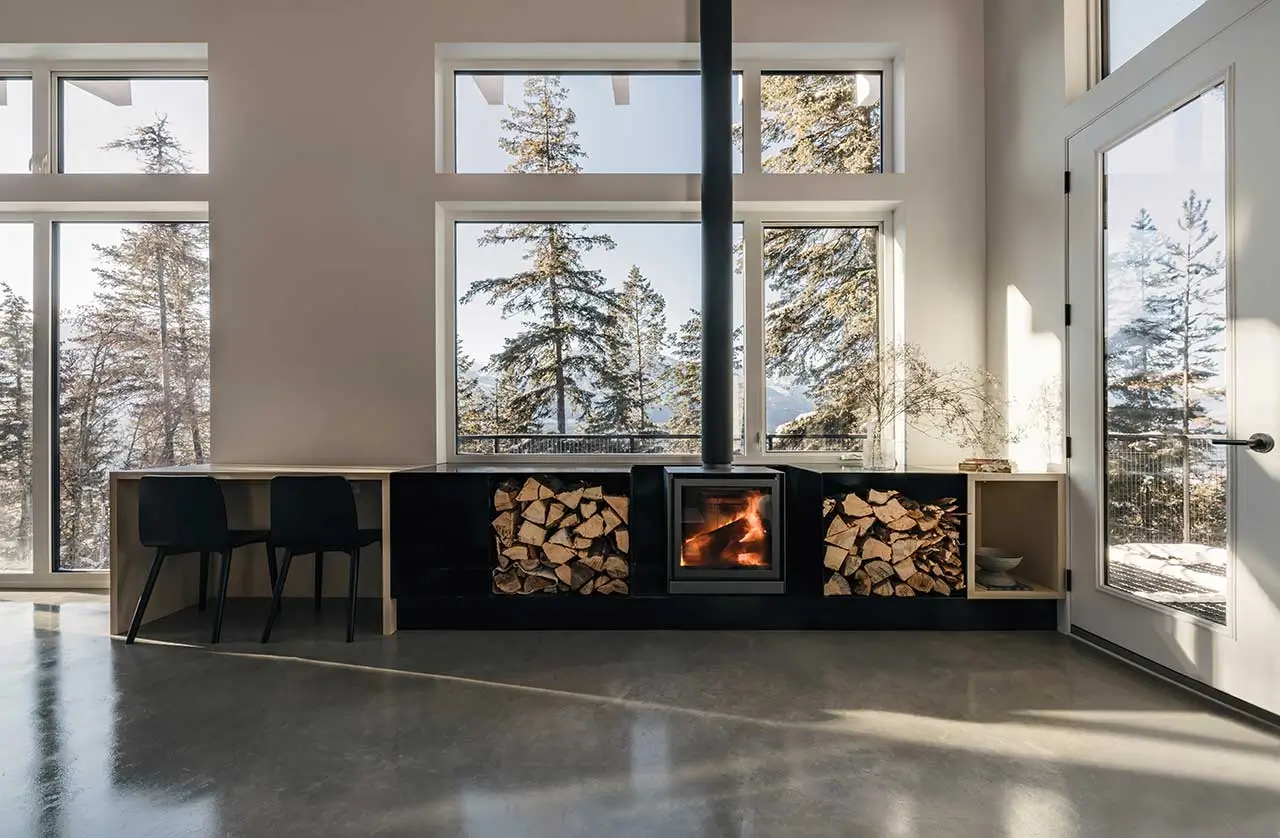
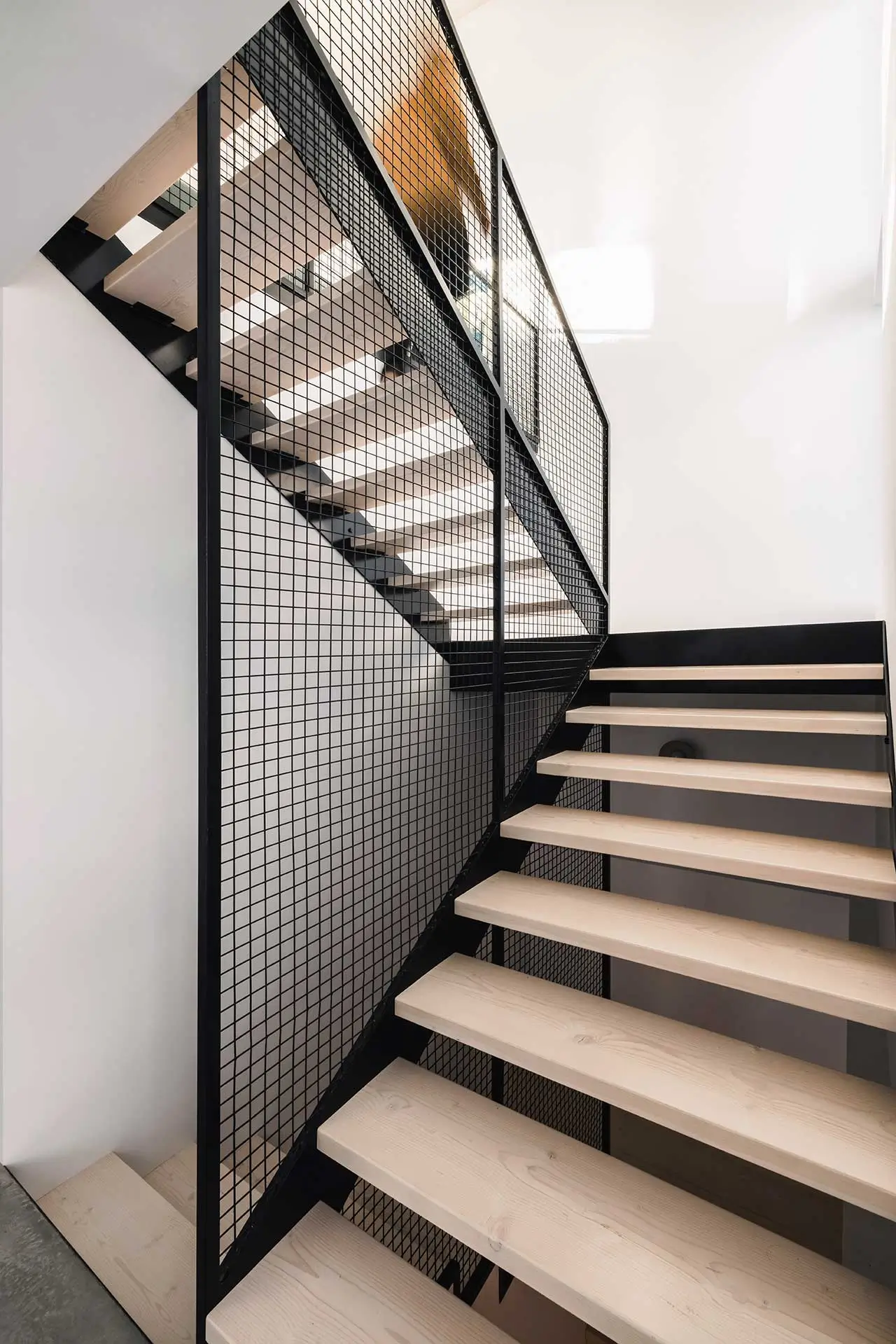
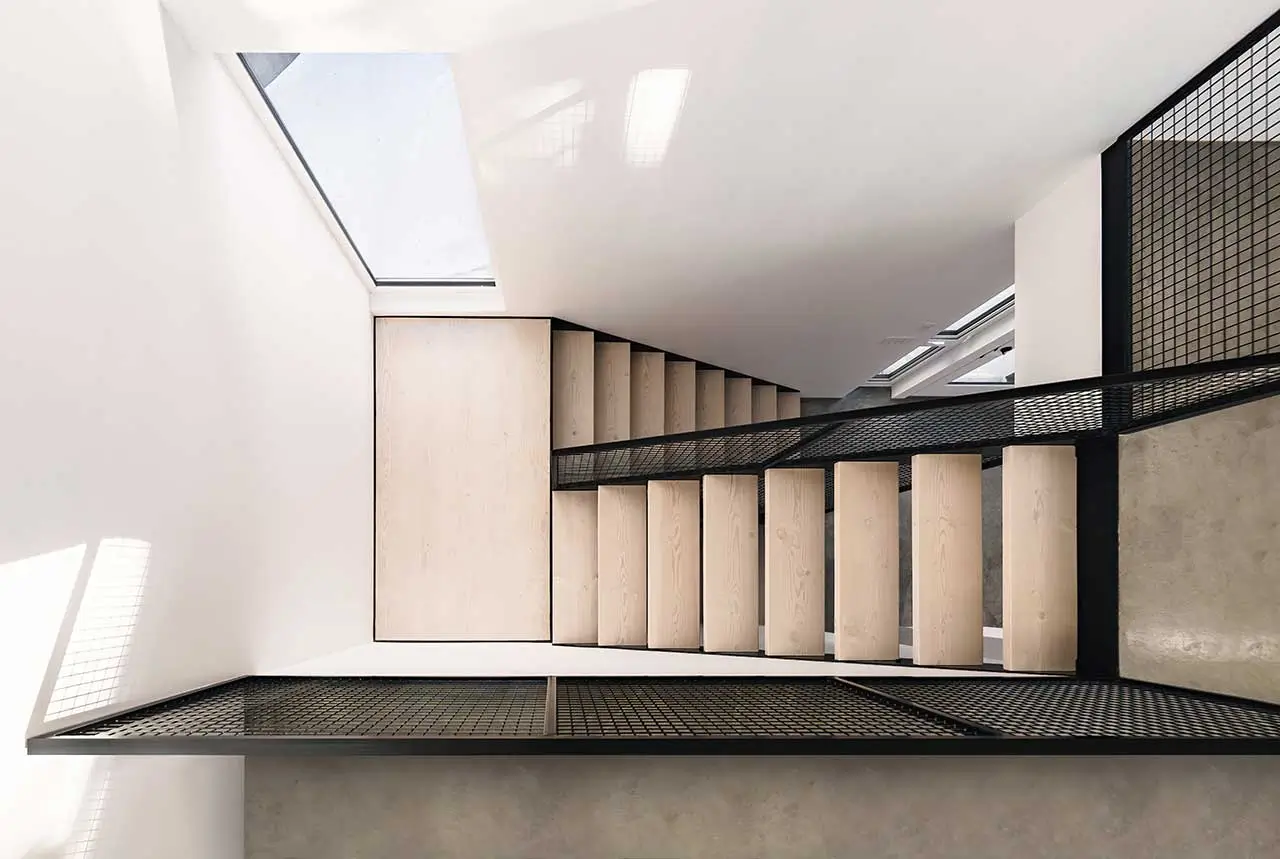
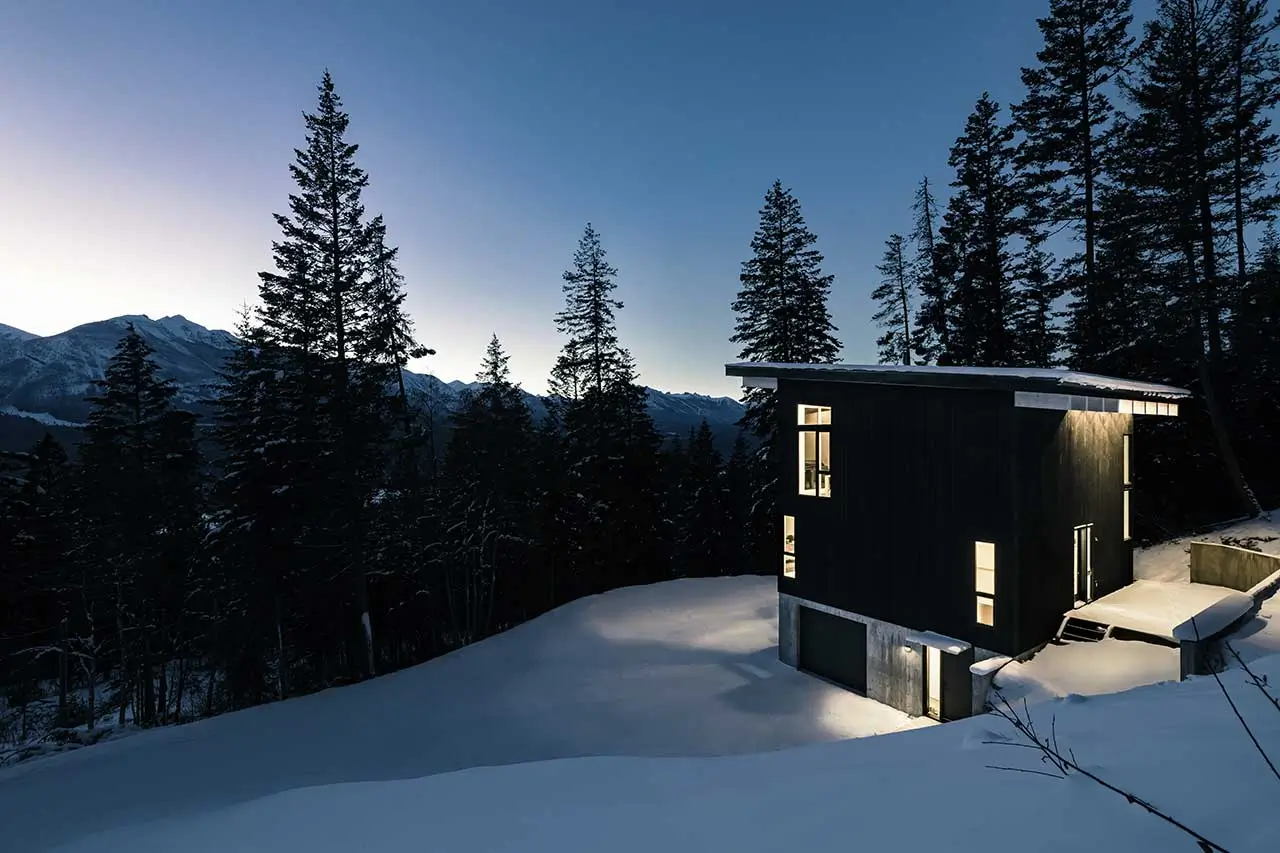
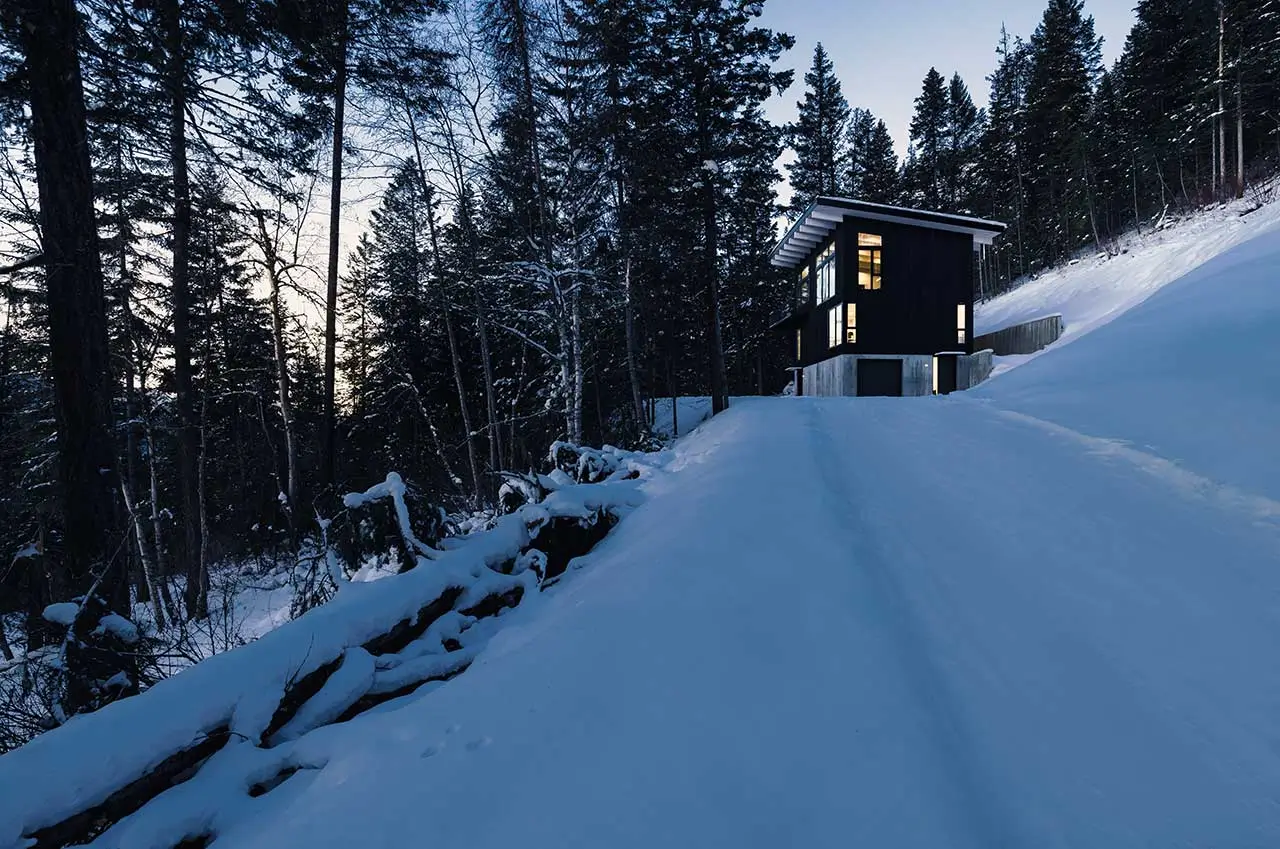
High above the dense forests of southeastern British Columbia, where the Columbia River Valley opens between towering alpine ridges, a quiet structure sits at the edge of the trees. The Columbia River Valley Lookout, designed by Twobytwo Architecture Studio, is a study in restraint, elevation, and intimacy with landscape. Perched in the mountainous terrain near Golden, Canada, the compact cabin feels less like an intrusion into nature and more like a carefully placed instrument tuned to the rhythms of the wilderness.
This modern retreat is modest in scale yet powerful in presence. Its dark silhouette rises from the snowy slope like a quiet watchtower, its warm interior light glowing through slender windows as dusk settles over the mountains. In a region defined by vast geography and dramatic climate, the cabin transforms architectural simplicity into something deeply atmospheric — a structure that invites stillness while framing one of Canada’s most remarkable landscapes.
The Columbia River Valley Lookout demonstrates how thoughtful architecture can elevate minimalism into something poetic. Rather than competing with the terrain, the design embraces elevation, compactness, and panoramic orientation to create a retreat that feels suspended between forest and sky.
design
Golden, British Columbia sits at the meeting point of several major mountain ranges — the Purcell Mountains to the west, the Rocky Mountains to the east, and the Selkirk range nearby. The region is a magnet for outdoor enthusiasts drawn by skiing, hiking, and mountaineering. It is also a place where architecture must respond carefully to climate and topography.
The site chosen for the Columbia River Valley Lookout lies high above the valley floor on a forested slope overlooking the Columbia River basin. From this vantage point, the horizon stretches across layered ridgelines and dense evergreen forests. The dramatic setting demanded a structure that could frame views without overwhelming them.
Twobytwo Architecture Studio approached the project with a philosophy rooted in restraint. Rather than designing a sprawling chalet typical of mountain resorts, the architects opted for a compact vertical cabin. The house rises from the hillside in a simple rectangular form, with a narrow footprint that minimizes disruption to the surrounding terrain.
By elevating the main living spaces above the slope, the cabin gains a commanding perspective over the valley. Large windows orient toward the view, allowing the mountains and sky to become the primary visual elements of the interior experience.
The architecture acts as a frame rather than a focal point — a subtle intervention that amplifies the landscape rather than competing with it.
flow
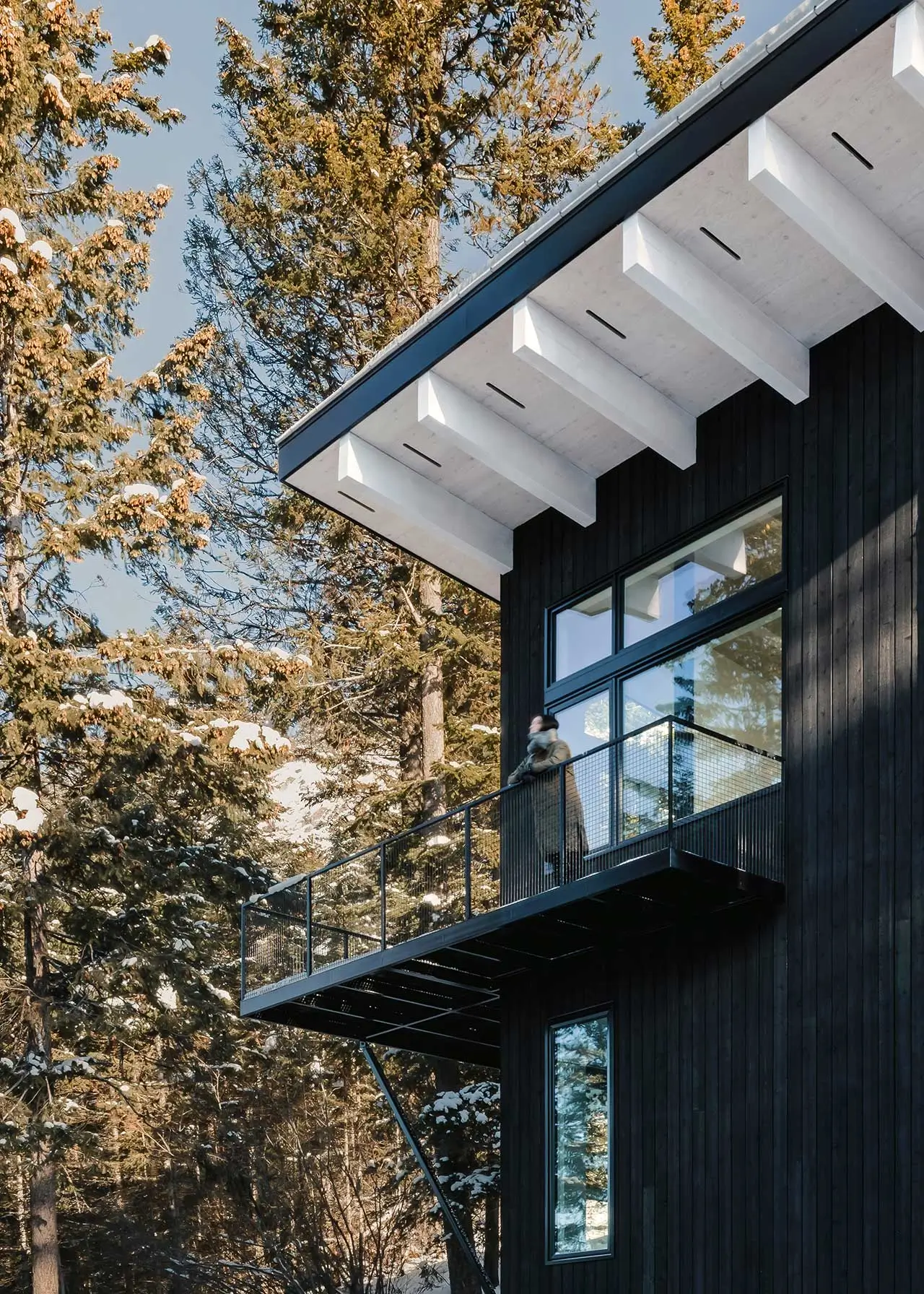
At first glance, the Columbia River Valley Lookout appears almost austere. The structure is clad in dark siding, giving the building a monolithic presence against the snowy environment. The material palette is deliberately minimal: wood, concrete, glass, and steel.
Yet within this simplicity lies a careful balance of texture and proportion. The dark exterior allows the cabin to blend into the forest during daylight hours, while at night the illuminated windows create a lantern-like glow in the trees.
This contrast between exterior restraint and interior warmth is central to the project’s identity.
The cabin’s form is composed of clean geometric lines. A slightly sloping roof echoes the incline of the mountain terrain while helping manage heavy snowfall during the winter months. The structure sits partially embedded in the hillside, anchoring the building against the steep slope while protecting lower levels from wind exposure.
Despite its modest footprint, the cabin feels spatially generous. Strategic window placement and vertical organization create a sense of openness that belies the structure’s compact size.
This architectural economy — doing more with less — transforms the cabin into a refined expression of mountain modernism.
idea
The interior layout of the Columbia River Valley Lookout unfolds vertically across several levels. This stacked arrangement allows the cabin to occupy minimal ground space while maximizing views from each floor.
The lowest level is embedded into the slope and functions as a grounding element. Constructed partly from exposed concrete, this level houses entry and service areas while stabilizing the structure against the mountain terrain.
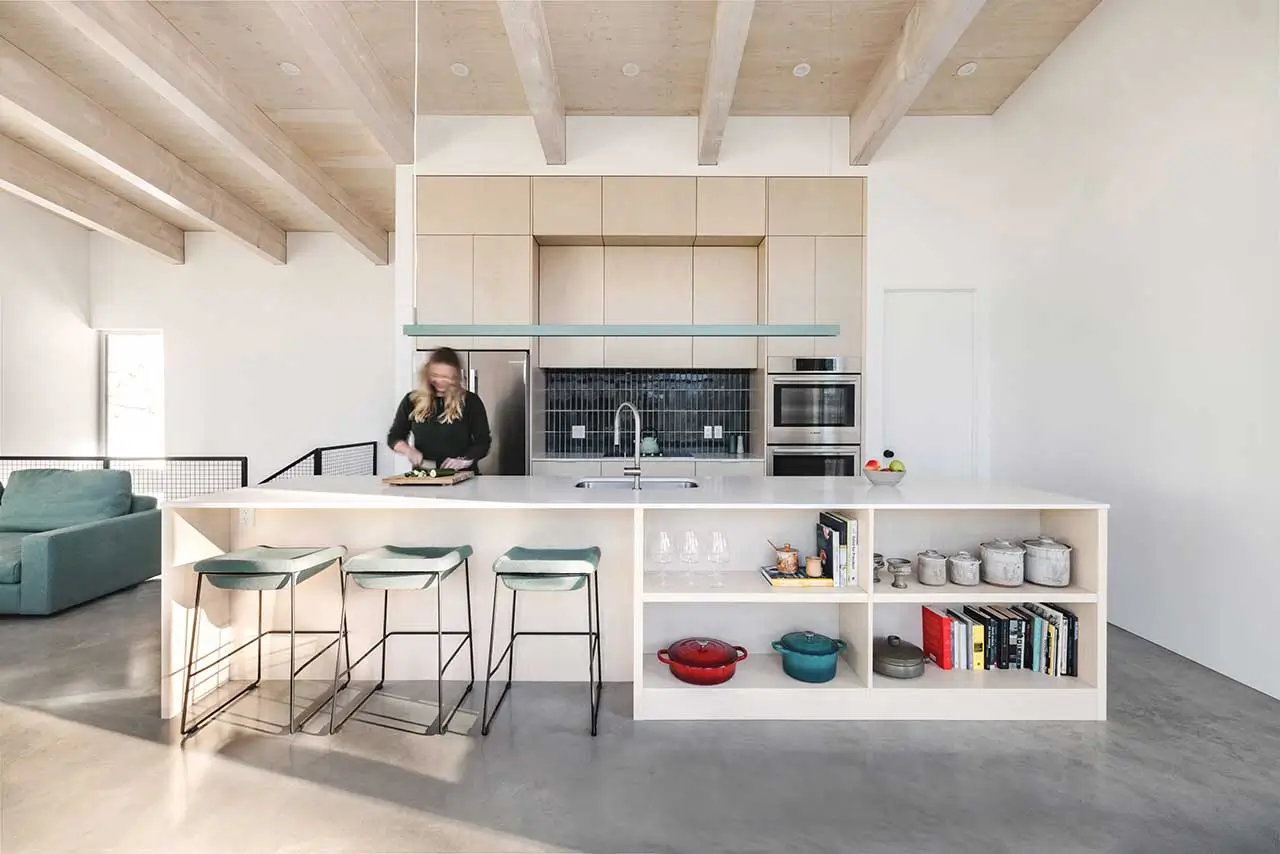
Ascending to the main living level, the atmosphere shifts dramatically. Here the cabin opens toward the valley through expansive glazing that captures panoramic views of the forest and distant peaks. The living room, kitchen, and dining space share a single open plan designed to encourage gathering and conversation.
Natural materials dominate the interior. Wood surfaces soften the modern lines, creating a warm and tactile environment that contrasts with the cool alpine surroundings. The restrained color palette allows the changing light and landscape outside to remain the visual centerpiece.
Above the living area, private sleeping spaces occupy the upper level. These rooms are intentionally intimate, reinforcing the retreat-like character of the home. From these elevated vantage points, occupants wake to sweeping views of the mountains and the morning light filtering through tall evergreens.
The vertical organization of the cabin mirrors the experience of climbing a mountain itself — moving from grounded entry to expansive outlook.
view
Perhaps the most defining feature of the Columbia River Valley Lookout is its relationship to perspective.
Rather than creating a series of wide, open glass walls typical of luxury mountain homes, the architects employed carefully placed windows of varying proportions. Some are tall and narrow, framing vertical slices of forest. Others open outward toward the valley, capturing sweeping panoramic views.
This strategy turns each window into a curated visual moment.
Standing inside the cabin, one might see a single towering spruce framed against the sky. A few steps away, another opening reveals a distant ridge line layered in winter snow. These moments create a constantly shifting dialogue between interior and landscape.
The architecture behaves almost like a camera lens — selecting and focusing specific aspects of the environment.
At night, the experience reverses. The interior light transforms the cabin into a glowing beacon within the dark forest. From outside, the windows reveal glimpses of life within the structure, reinforcing the sense that the cabin is a human presence carefully woven into the wilderness.
weather
Designing architecture in the mountains of British Columbia requires deep respect for climate. Winters bring heavy snowfall and freezing temperatures, while summers can be warm and dry. The cabin must therefore balance insulation, durability, and structural resilience.
The Columbia River Valley Lookout addresses these challenges through its compact form and robust construction.
The sloped roof allows snow to shed naturally, preventing excessive accumulation that could stress the structure. The building envelope is carefully insulated to retain heat during cold months, reducing energy consumption and maintaining interior comfort.
Window placement also plays a role in environmental performance. By orienting larger openings toward the valley and sun exposure, the cabin captures passive solar heat during winter days. Meanwhile, overhangs and shading help regulate interior temperatures during warmer seasons.
The result is a building that operates in harmony with its environment rather than resisting it.
retreat
Beyond architectural innovation, the Columbia River Valley Lookout was designed primarily as a place for family gathering. In remote landscapes like those surrounding Golden, cabins often become multi-generational spaces where outdoor adventures and quiet evenings converge.
The compact layout encourages shared experiences. The open living area becomes a central hub for cooking, conversation, and storytelling after days spent exploring nearby mountains or skiing at Kicking Horse Mountain Resort.
Large windows turn sunsets and storms into daily spectacles. Snowfall drifting through the trees becomes a living artwork visible from the warmth of the interior.
This relationship between shelter and landscape defines the emotional character of the cabin. It is both refuge and observatory — a place to rest while remaining intimately connected to the wilderness outside.
min
One of the most compelling aspects of the Columbia River Valley Lookout is the emotional impact created through architectural restraint.
The cabin does not rely on extravagant materials or complex forms. Instead, it achieves atmosphere through proportion, light, and orientation. The simplicity of the structure allows occupants to focus on sensory experiences: the sound of wind moving through the trees, the shifting colors of the sky, the quiet glow of interior lighting against winter snow.
In this way, the architecture becomes almost meditative.
The building invites occupants to slow down and observe the natural world more closely. Every window frame, every carefully placed beam contributes to a feeling of calm and contemplation.
This philosophy reflects a broader trend in contemporary mountain architecture — a shift away from grand spectacle toward more intimate, experiential design.
modern
The Columbia River Valley Lookout also reflects a growing cultural interest in small, design-driven retreats located far from urban centers. As cities become denser and more digitally connected, many people seek spaces that allow them to disconnect and reconnect with nature.
Architectural studios around the world have begun exploring new interpretations of the cabin — structures that combine minimalism, sustainability, and high design within compact footprints.
Twobytwo Architecture Studio’s project stands out within this movement because of its disciplined approach to scale. The cabin demonstrates that architectural impact does not depend on size but on clarity of vision.
By carefully responding to landscape, climate, and human experience, the project transforms a simple structure into an immersive environment.
shhh
Although modest in scale, the Columbia River Valley Lookout possesses the quiet authority of a landmark. Its dark geometric form rising above the forest creates a subtle visual marker within the landscape — not dominating the terrain but acknowledging it.
During winter nights, the illuminated windows resemble stars scattered among the trees. During the day, the cabin almost disappears into the surrounding forest canopy.
This dual identity reflects the central theme of the project: architecture as both presence and absence.
The building is unmistakably modern, yet it feels timeless within the mountainous terrain of British Columbia.
fin
The Columbia River Valley Lookout by Twobytwo Architecture Studio is a powerful example of how architecture can elevate simplicity into an art form. Through careful orientation, minimal materiality, and a compact vertical layout, the cabin creates an immersive relationship between human shelter and the vast mountain environment.
Perched high above the Columbia River Valley near Golden, the structure operates as both refuge and viewing instrument — a place where occupants can experience the changing moods of the forest, sky, and snow.
In an era when architectural spectacle often dominates headlines, this quiet cabin offers a different kind of inspiration. It demonstrates that the most profound designs sometimes emerge from restraint, patience, and deep respect for place.
Here, above the forest canopy, architecture does not shout.
It simply watches the mountains.



No comments yet.