The Couture Club’s Sculpt Collection Rewrites Modern Ease – En Pointe

March 21, 2026
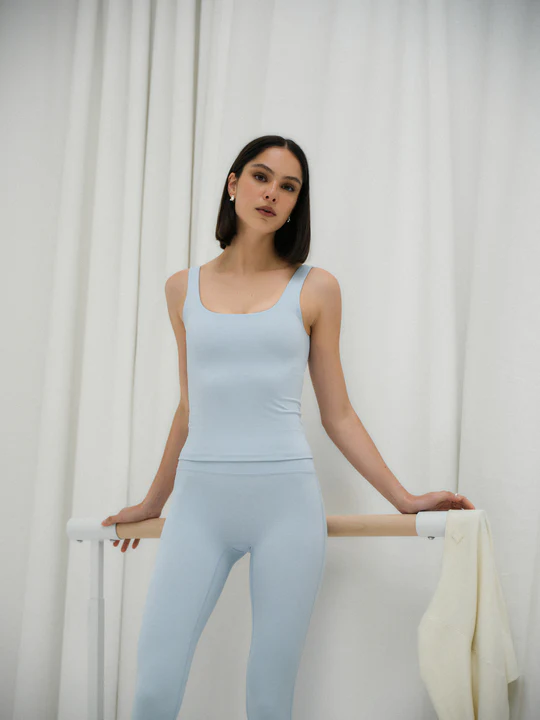
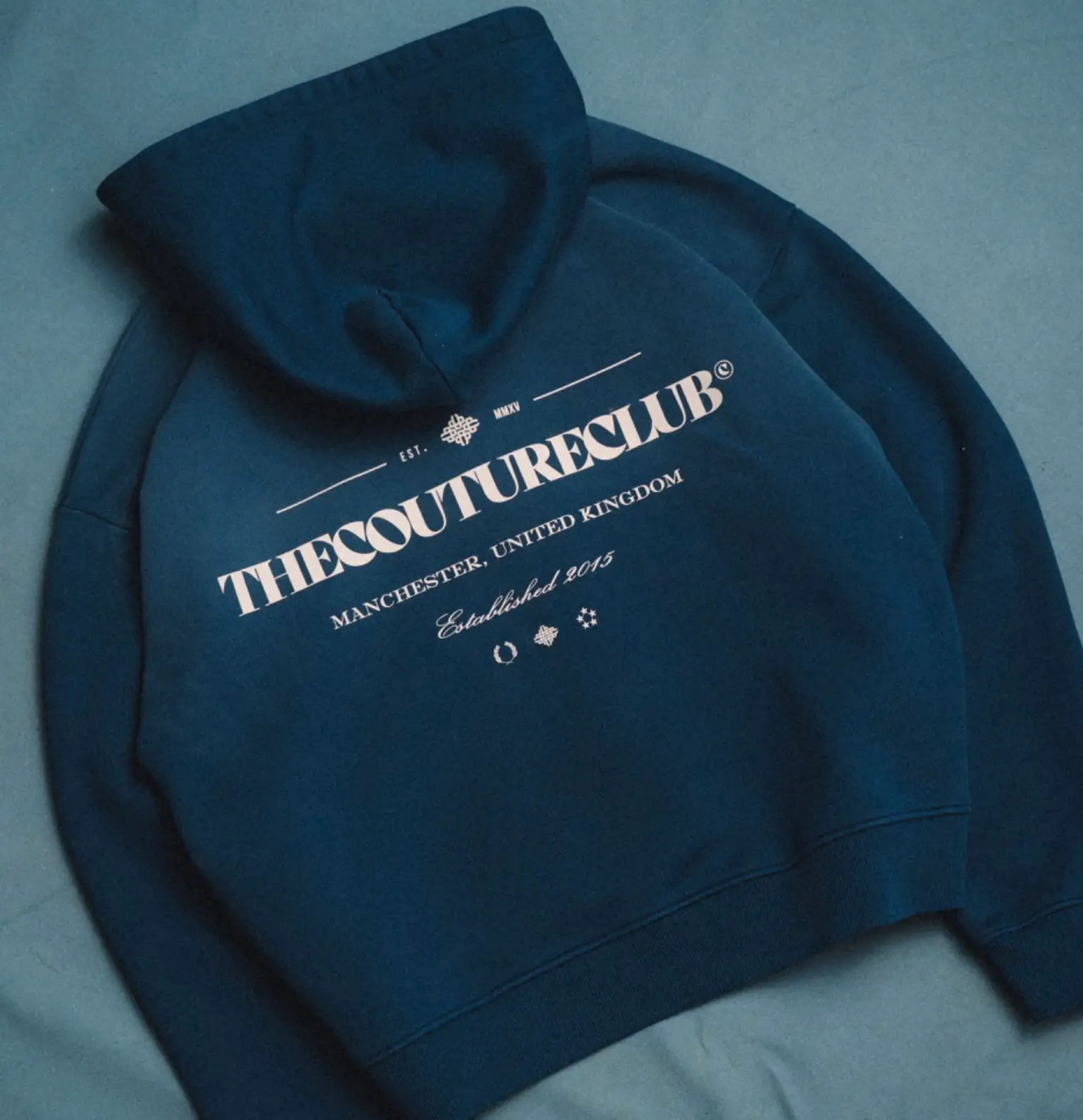
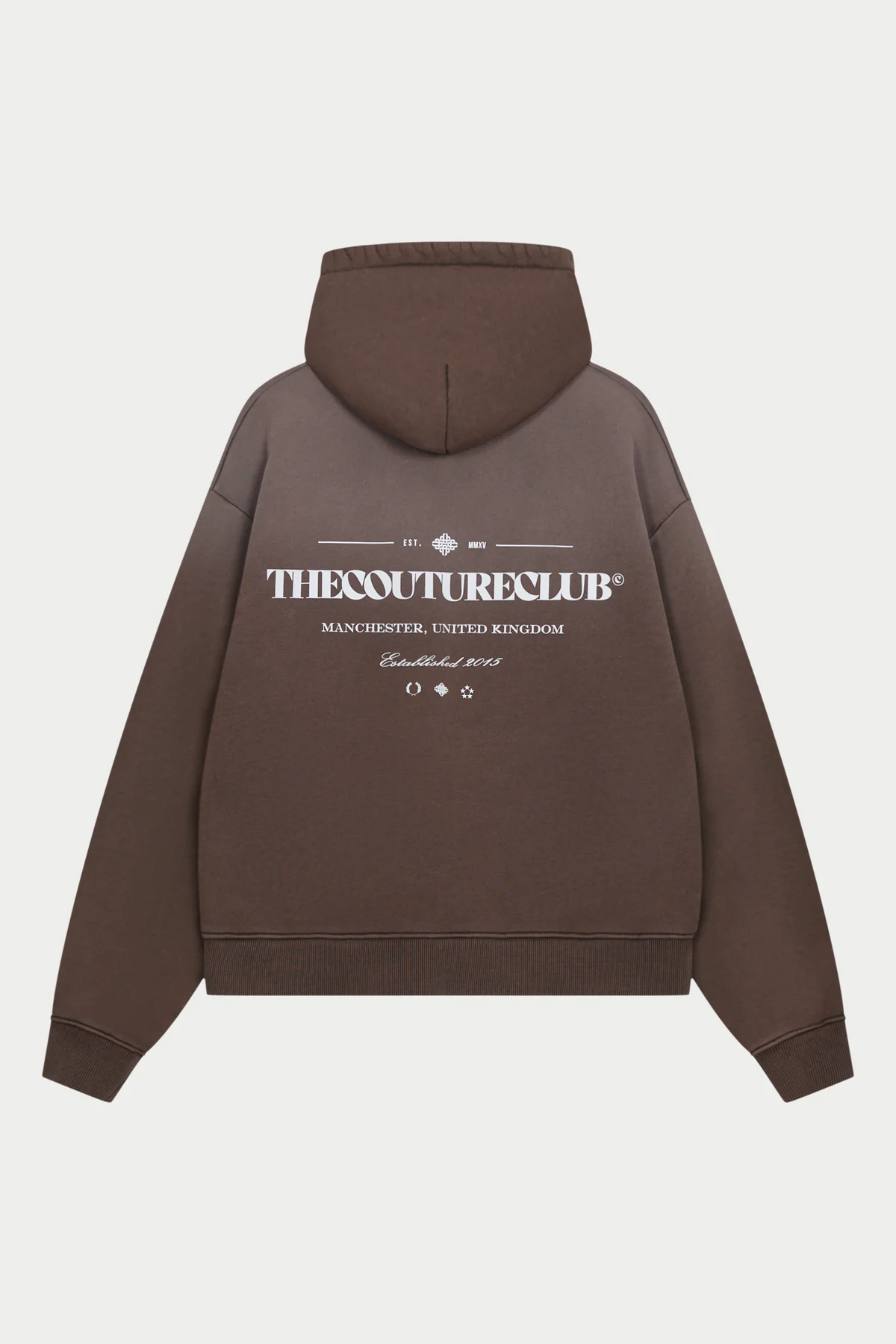
There’s a quiet shift happening in fashion right now—one that doesn’t scream, doesn’t logo-stamp itself into oblivion, doesn’t rely on spectacle to justify its presence. Instead, it returns to something far more intimate: the body.
Not the body as commodity, not the body as abstraction, but the body as instrument. Trained. Held. Balanced. In motion.
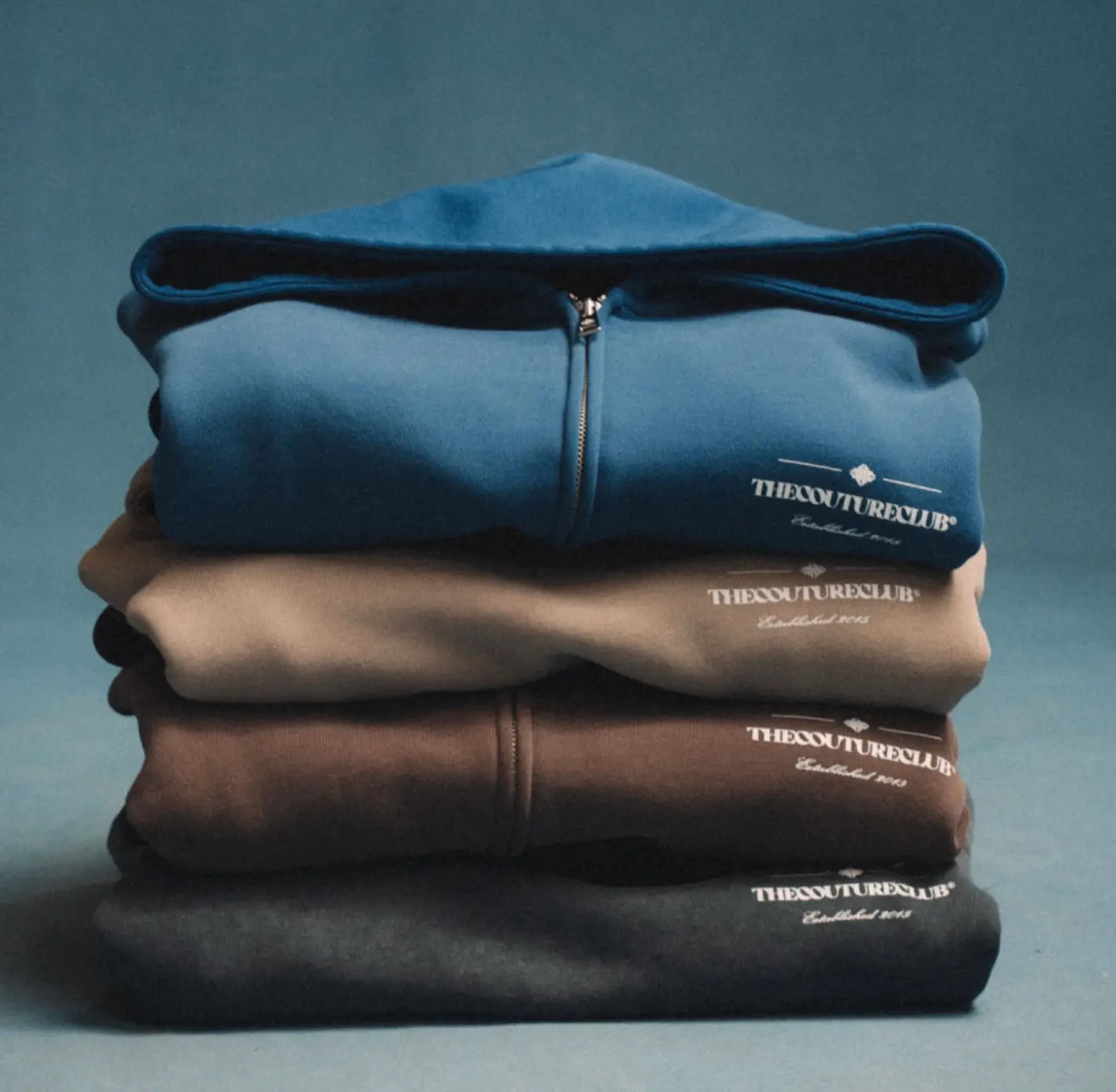
The Couture Club’s latest dual narrative—its balletcore sculpt collection alongside a sharply recalibrated collegiate menswear offering—understands this shift with unusual clarity. This is not trend-chasing. This is posture-building. A wardrobe that asks you to stand differently, move differently, exist differently within your clothes.
Because what’s being proposed here is not just aesthetic. It’s behavioral.
Where much of streetwear over the last decade has been built on volume, irony, and detachment, The Couture Club pivots toward intention. Toward garments that don’t just hang—but respond. That don’t just layer—but align.
Call it balletcore if you want. Call it prep revival if you must. But those labels feel insufficient. What’s really happening here is something more precise:
Fashion is learning how to hold itself again.
View this post on Instagram
stir
Balletcore has been circulating for a minute now—flattened by TikTok, romanticized by Pinterest, diluted into ribbons and soft-focus nostalgia. But The Couture Club does something sharper with it. It removes the costume.
What remains is discipline.
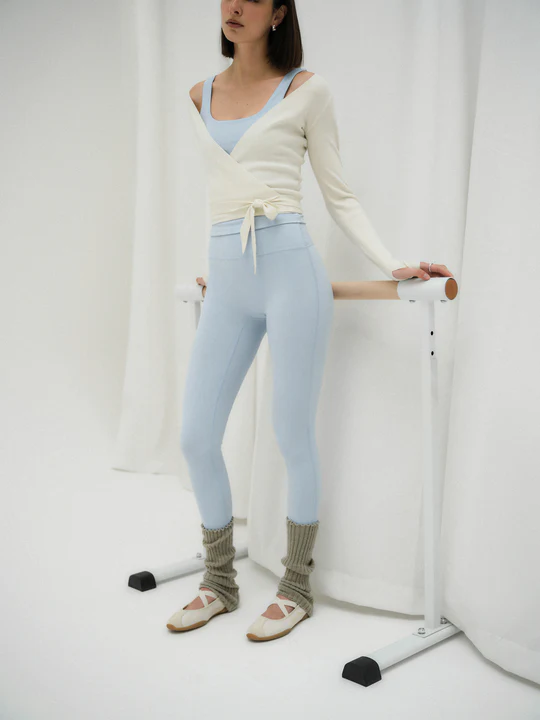
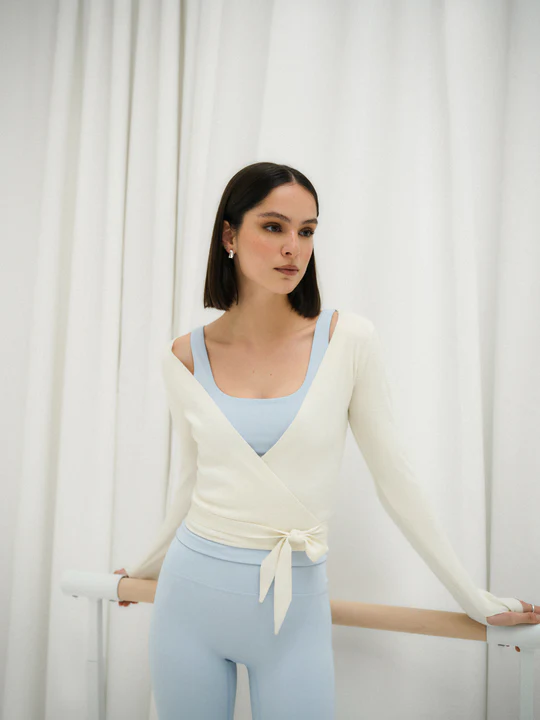
The wrap tops are not decorative—they are functional echoes of rehearsal gear. The knits cling, not to sexualize, but to map. Shoulders, spine, torso. The body becomes legible through fabric. Leg warmers—once ironic, then nostalgic—are reintroduced as tools of continuity, extending silhouettes rather than interrupting them.
There’s a rigor here that feels almost philosophical.
Ballet, at its core, is repetition. Precision. Failure corrected through iteration. And when translated into clothing, that ethos produces something rare in contemporary fashion: restraint.
The palette follows suit. Chalk whites, stone greys, muted blush, exhausted black. Nothing distracts. Nothing competes. The eye is guided, not overwhelmed.
This is where The Couture Club separates itself from surface-level trend adoption. It doesn’t aestheticize ballet—it internalizes it.
And in doing so, it aligns itself with a broader cultural movement: the return of practice. Pilates over partying. Routine over randomness. Alignment over excess.
Clothing, here, becomes part of that ritual.
idea
“Sculpt” is one of those words fashion loves to throw around—usually meaning little more than “tight.” But in this collection, it’s literal.
These garments are engineered around motion.
Co-ord sets function as unified systems rather than separate pieces. The top doesn’t fight the bottom; it continues it. Lines extend. Proportions echo. There’s a sense that each outfit has been drafted, not just designed.
Outerwear follows the same logic. Jackets don’t dominate—they frame. They sit close enough to acknowledge the body beneath them without restricting it. Elasticated elements introduce adaptability, allowing garments to respond rather than dictate.
It’s subtle, but it’s transformative.
Because traditional streetwear often operates through exaggeration—oversized hoodies, dropped shoulders, inflated silhouettes. The Couture Club rejects that inflation in favor of calibration.
Clothes that fit, but not in a restrictive, tailoring-school sense. Clothes that fit in motion. In transition. In real life.
And that distinction matters.
privilege
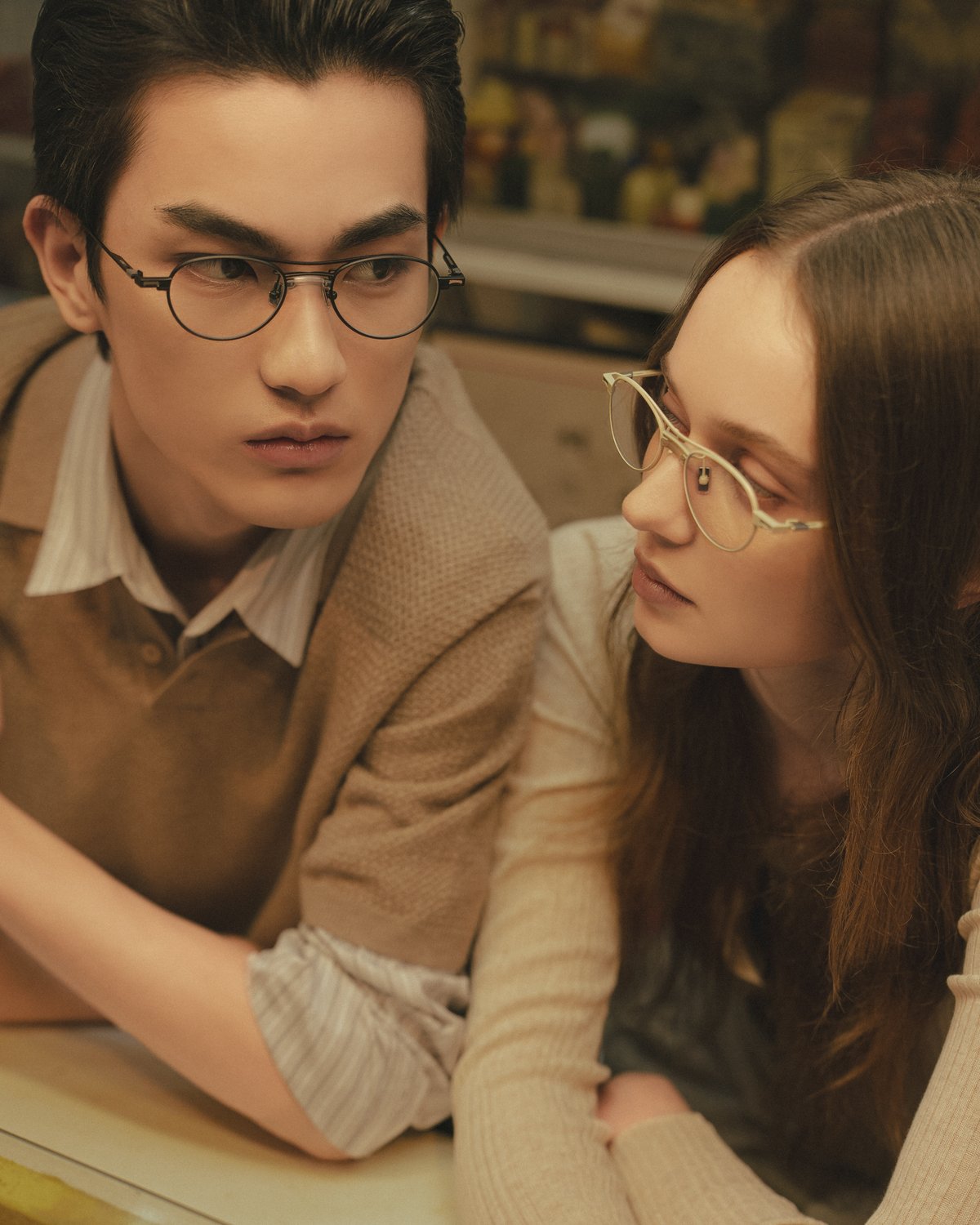
Running parallel to the balletcore narrative is a second language: collegiate menswear. But again, The Couture Club refuses nostalgia as costume.
This is not Ivy League cosplay.
Instead, it extracts the structure of collegiate style—its clarity, its repetition, its quiet hierarchy—and reinterprets it through a contemporary lens.
Striped knits become less about tradition and more about rhythm. Lightweight jackets prioritize layering over legacy. Denim loosens—not into sloppiness, but into ease.
There’s a notable absence of elitism here. No crests screaming legacy. No heavy-handed references to institutions. Just the idea of discipline, filtered through accessibility.
And that’s key.
Because in 2026, prep doesn’t signal privilege the way it once did. It signals order. A desire for coherence in a world that often feels fragmented.
The Couture Club taps into that desire without romanticizing its origins. It offers structure without gatekeeping.
emotive
If there’s a throughline connecting both halves of the collection, it’s touch.
In a landscape dominated by screens, algorithms, and endless scroll, tactility becomes a form of resistance. The Couture Club leans into this with intention.
Knits that feel lived-in from the first wear. Cotton that breathes without collapsing. Jerseys that stretch without losing shape.
These are not “luxury” fabrics in the traditional sense—no overt opulence, no exaggerated claims. But they possess something arguably more valuable: consistency.
They feel good. Immediately. Repeatedly. Reliably.
And that reliability builds trust.
Which, in an era of overproduction and under-delivery, might be the most radical design choice of all.
style
The collection doesn’t just present clothes—it proposes a way of wearing them.
Layering becomes less about stacking and more about sequencing. A wrap over a tank isn’t just visual—it’s functional. A jacket over a co-ord isn’t just outerwear—it’s punctuation.
There’s a rhythm to it.
You can almost trace the day through the outfit:
Morning stretch in soft knits. Midday movement in co-ords. Evening layering as temperatures drop.
It’s choreography, but not performative. Practical. Repeatable. Human.
And that’s where the ballet influence fully reveals itself—not in aesthetics, but in structure.
Outfits become routines.
collapse
Another layer—subtle but significant—is the collection’s approach to gender.
There’s no overt messaging, no campaign built around fluidity. Instead, the garments themselves dissolve boundaries.
Wrap tops that could sit on any body. Knits that don’t rely on traditional masculine or feminine coding. Silhouettes that prioritize form over gendered expectation.
It’s not about neutrality—it’s about possibility.
And in that openness, The Couture Club aligns itself with a generation less interested in categories and more interested in expression.
sustain
For all its conceptual grounding, the collection remains commercially aware.
This is not inaccessible fashion. It’s not priced out of reach or positioned as unattainable. The Couture Club operates in that crucial middle space—where design meets reality.
Essentials anchor the collection:
- Tees that hold their shape
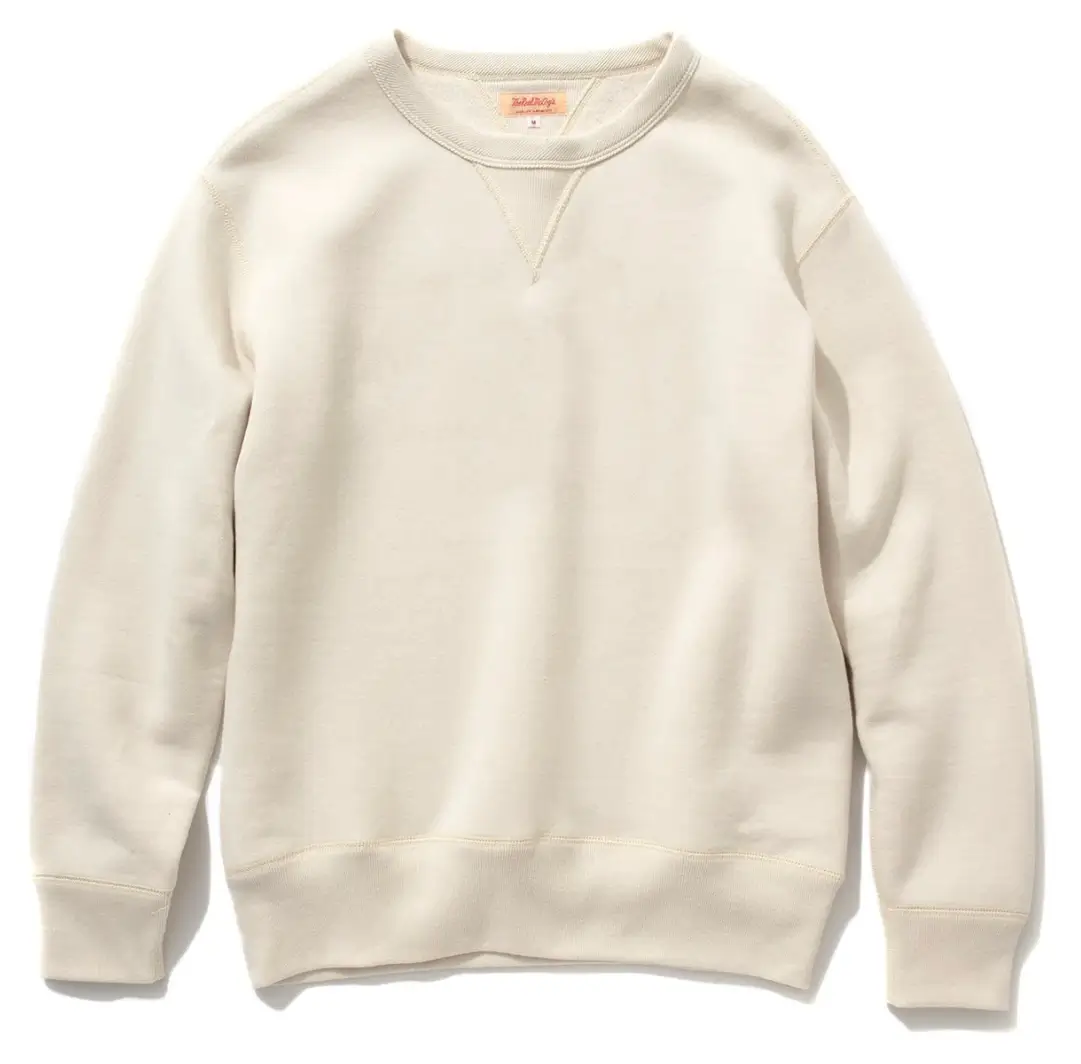
- Sweatshirts that elevate without overcomplicating
- Jackets that transition across seasons
These pieces act as entry points. Not diluted versions of the concept, but extensions of it.
Because accessibility, here, is not compromise—it’s strategy.
culture
Timing, in fashion, is everything. And this collection lands at a moment of recalibration.
After years defined by excess—visual, emotional, digital—there’s a growing appetite for clarity. For structure. For systems that make sense.
The rise of wellness culture, the normalization of routine, the shift toward slower living—all of it feeds into what The Couture Club is proposing.
This is clothing for people who want to feel held by what they wear. Not constrained. Not hidden. Held.
And that emotional resonance is what elevates the collection beyond product.
fin
The Couture Club’s balletcore sculpt collection and collegiate spring essentials don’t rely on spectacle. They don’t need to.
Because their impact is quieter—and in many ways, deeper.
They ask something of the wearer. Not just to put on clothes, but to inhabit them. To move with intention. To align, literally and metaphorically, with what they’re wearing.
In a landscape saturated with noise, that kind of clarity stands out.
Not loudly. But unmistakably.
Fashion, it seems, is done slouching.
And The Couture Club is en pointe.