The Glacier Trail Sneaker, Reframed Through Dyneema®

March 25, 2026
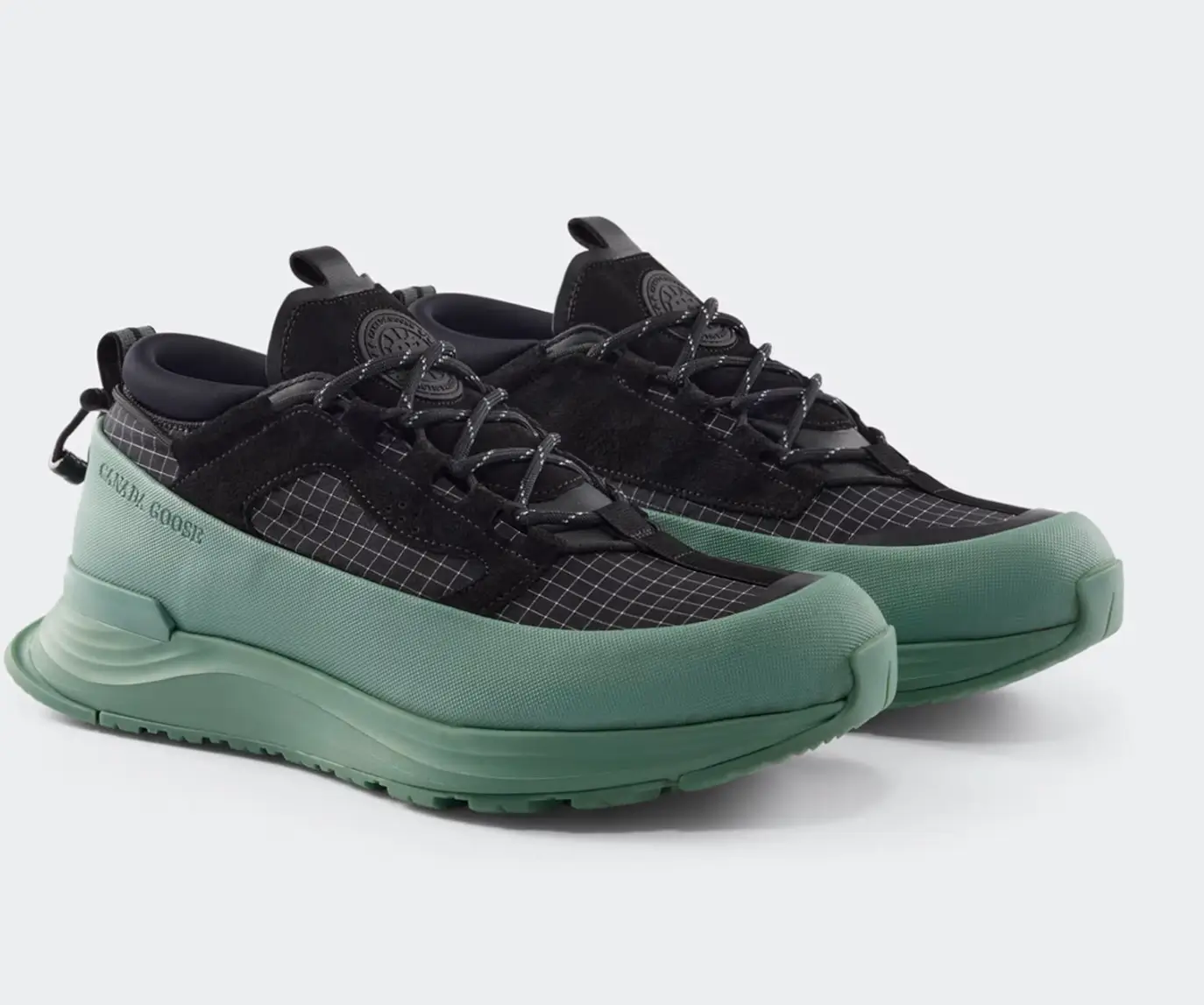
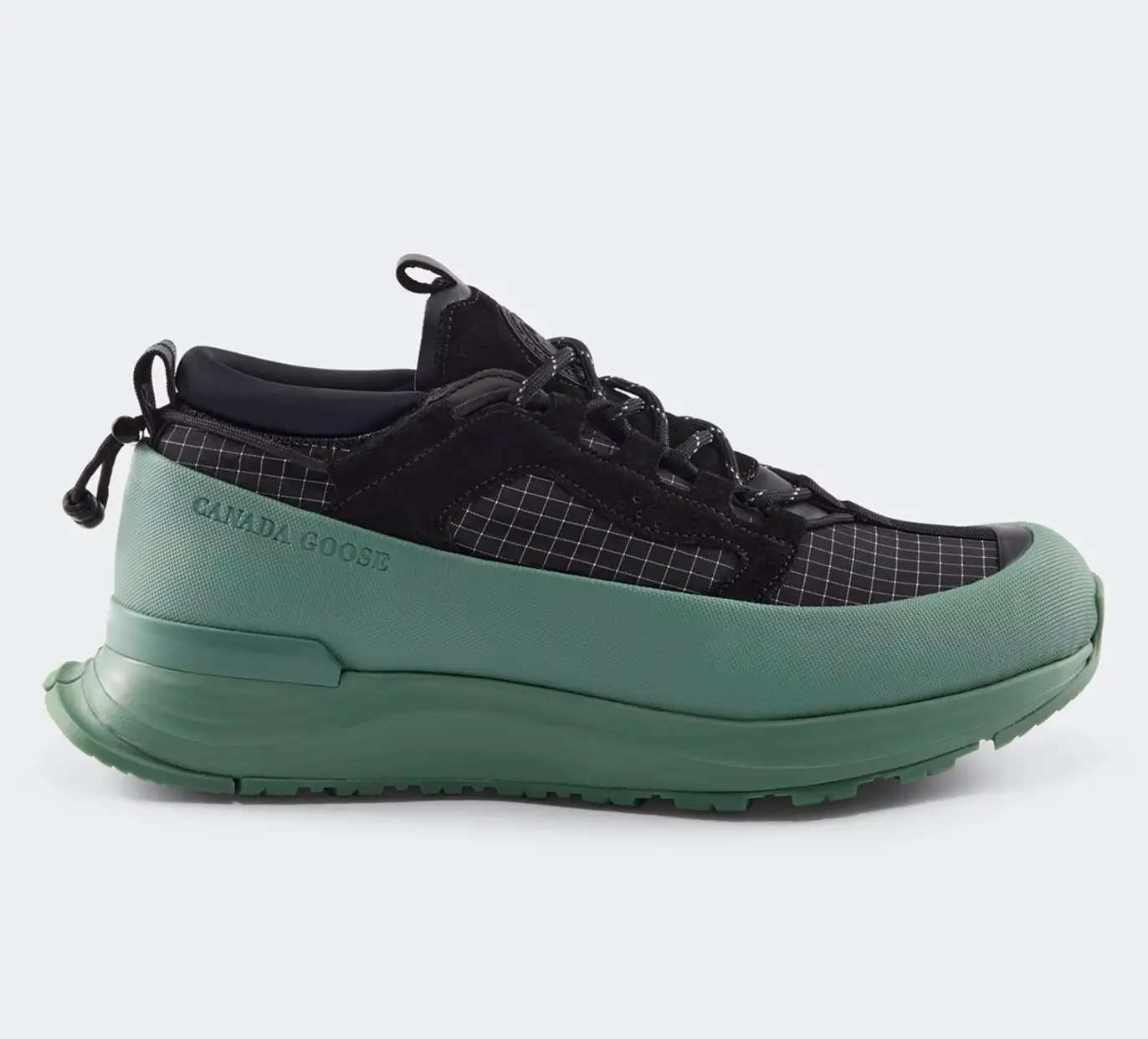
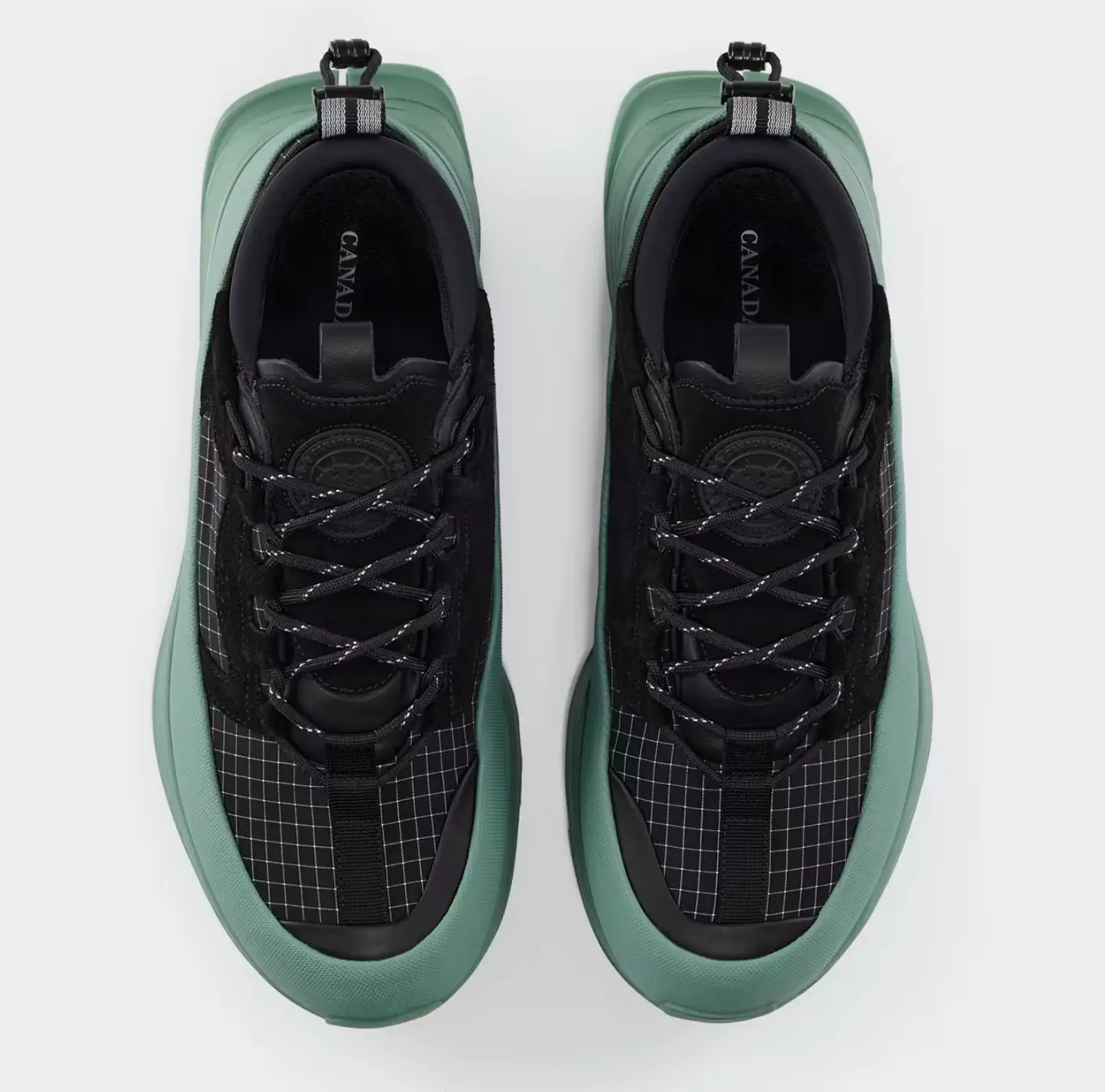
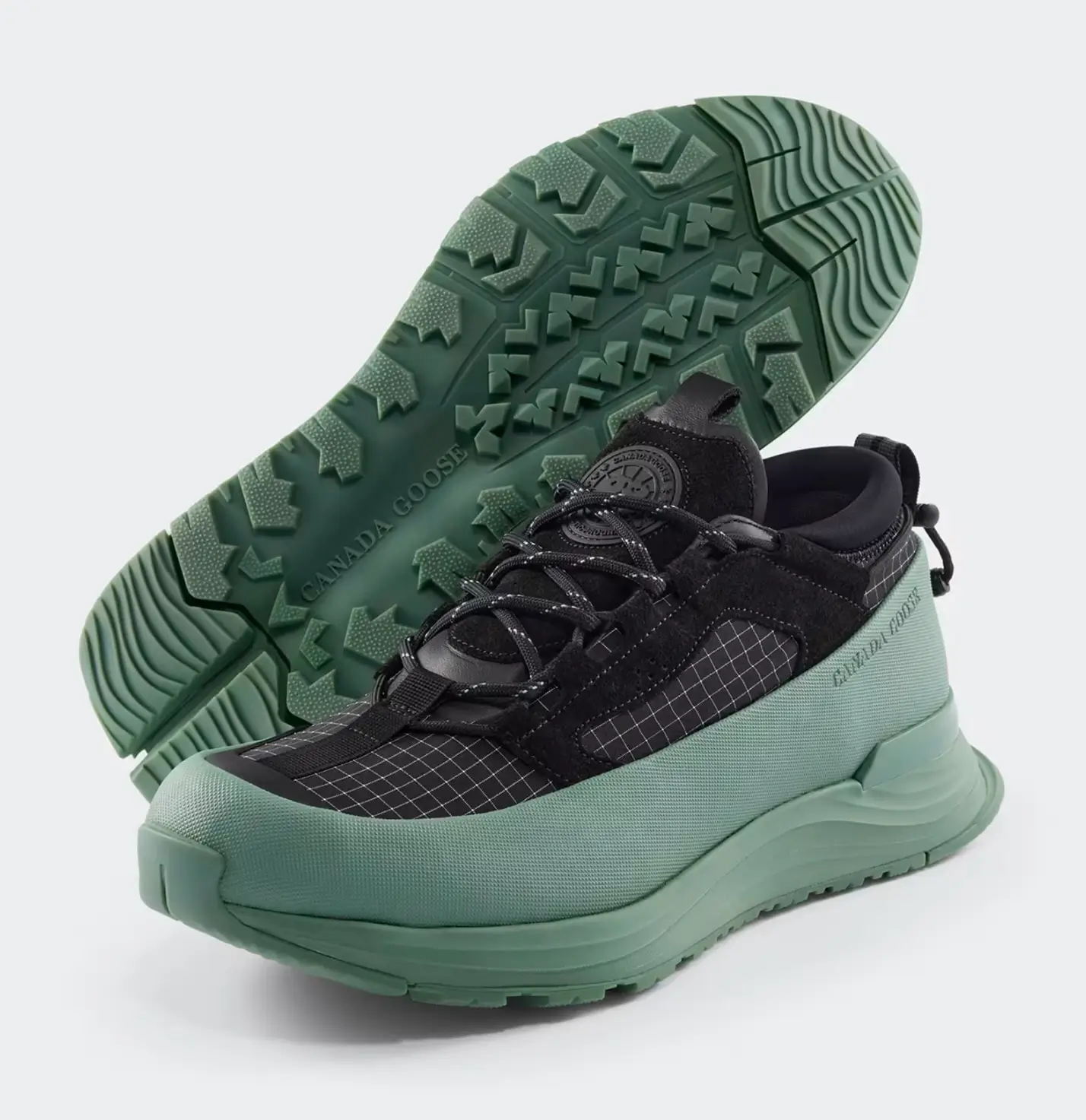
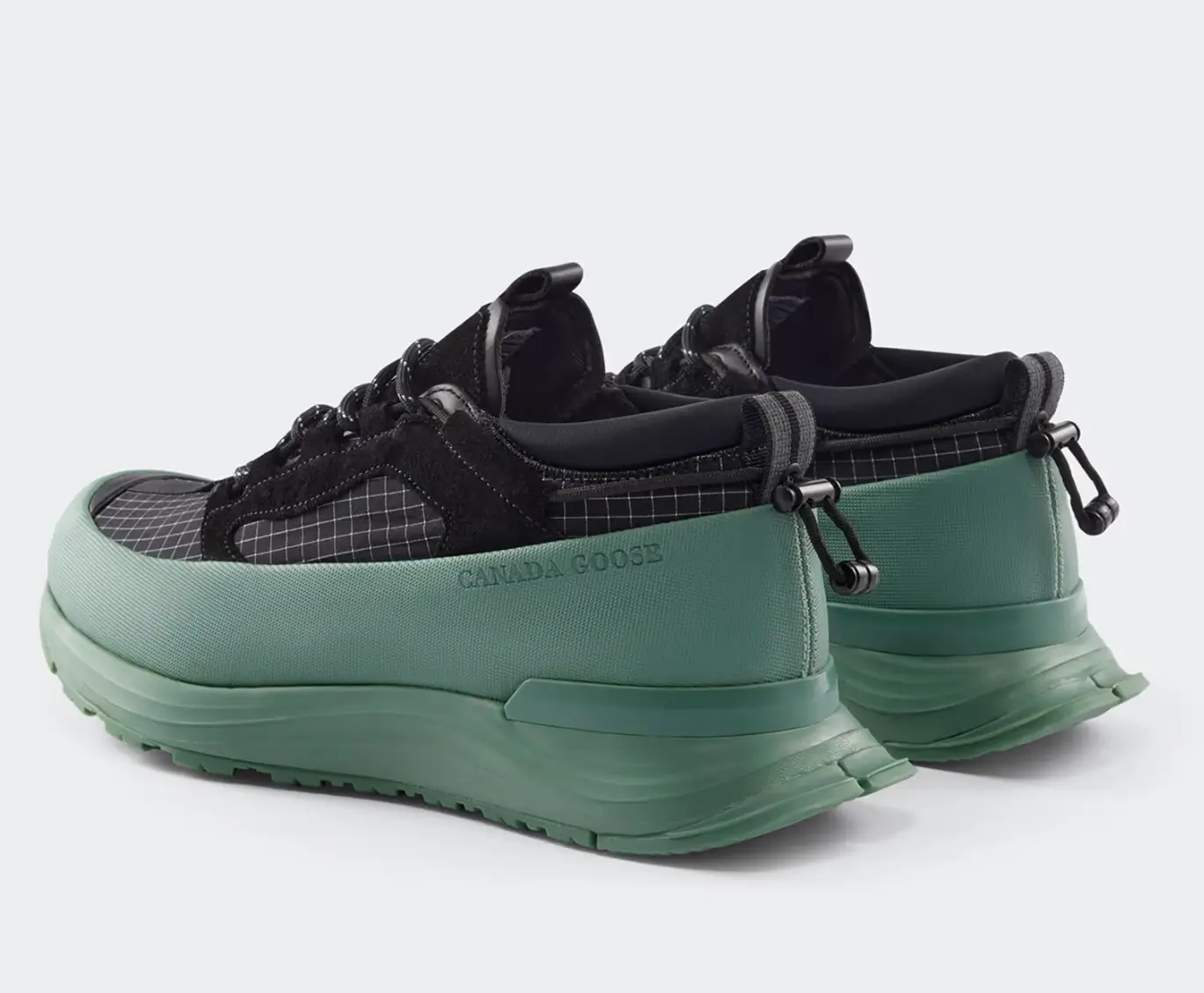
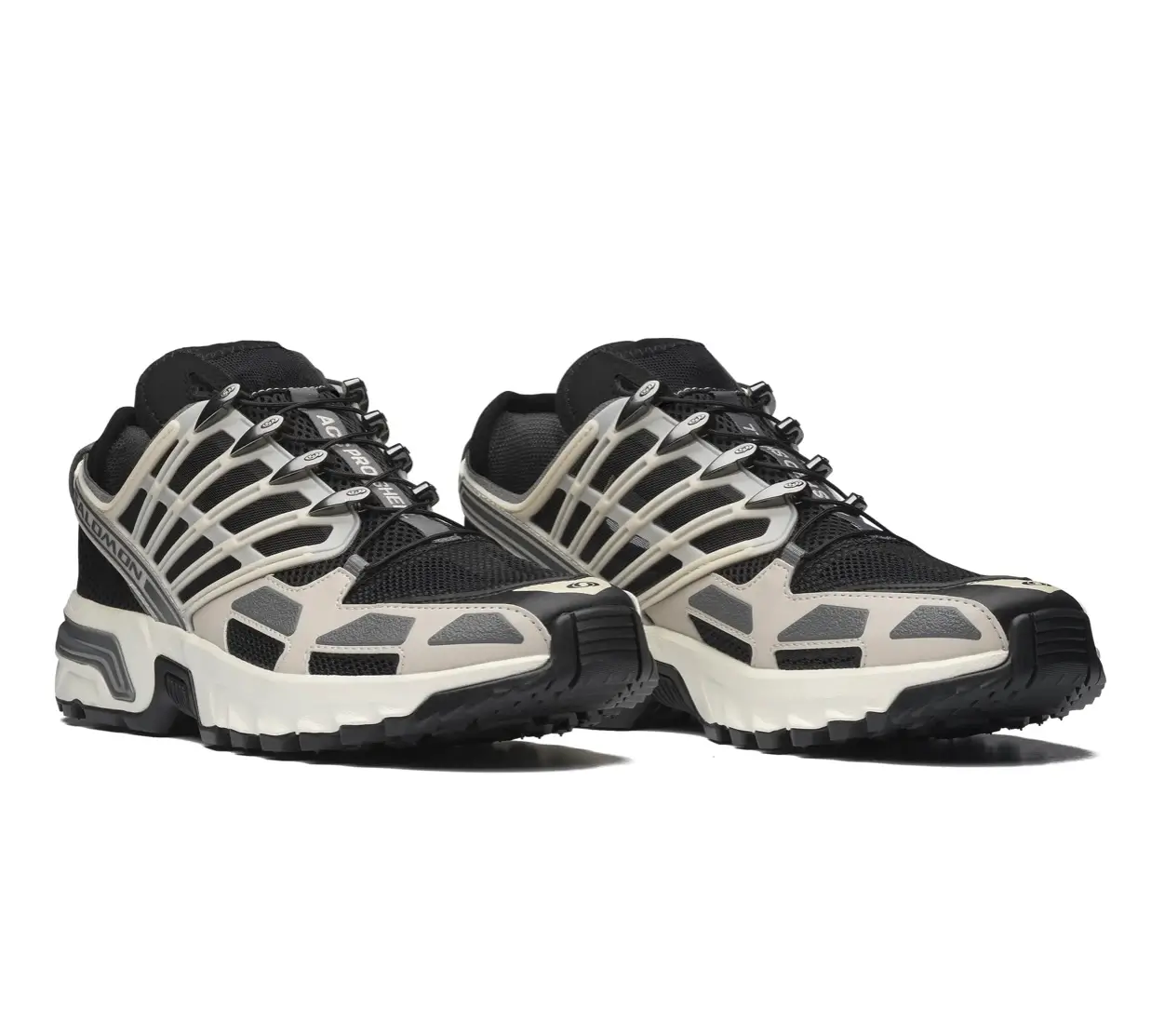
The contemporary trail sneaker has shifted away from singular purpose. It is no longer confined to marked routes or seasonal use. Instead, it operates across gradients—urban to alpine, dry to wet, stable to unpredictable. The Women’s Glacier Trail Sneaker, reimagined in Dyneema®, reflects this transition. It is designed not as a specialized outlier, but as a versatile system capable of negotiating multiple terrains without recalibration.
At the center of this evolution is material. Dyneema®, a fiber originally developed for high-performance industrial and technical applications, introduces a new logic to footwear construction. It is defined by its exceptional strength-to-weight ratio, often described as stronger than steel at a fraction of the mass. In the context of a trail sneaker, this translates into a form of protection that does not rely on bulk.
View this post on Instagram
flow
Traditional trail footwear often builds durability through layering—thicker textiles, multiple overlays, reinforced stitching. Dyneema® approaches the problem differently. Its inherent tensile strength allows for reduced material volume without compromising resistance. The result is a lighter upper that maintains integrity under stress.
In the Women’s Glacier Trail Sneaker, this material is typically integrated into a ripstop construction, where the fiber is woven into a grid pattern that prevents small tears from expanding. Abrasion from rock, friction from debris, and repeated flexion do not accumulate damage in the same way they would in conventional mesh uppers.
This is not durability as excess. It is durability as efficiency—material deployed only where necessary, but performing beyond its apparent weight.
stir
The designation “glacier trail” suggests a specific environment, yet the sneaker is intentionally designed for broader application. It operates across seasons by balancing breathability, moisture resistance, and thermal neutrality.
Unlike fully insulated footwear, which can become restrictive outside of cold conditions, the Dyneema® upper allows for airflow while resisting external moisture intrusion when paired with treated surfaces or internal membranes. This makes the sneaker adaptable: capable of handling early morning frost, mid-day warmth, and transitional weather within a single outing.
Its versatility is not derived from compromise but from material responsiveness. The upper does not trap heat excessively, nor does it absorb water readily. It remains stable across changing conditions, reducing the need for multiple footwear systems.
show
Lightweight construction has long been associated with speed, but in off-trail and glacier-adjacent environments, it also influences energy conservation and precision. A lighter shoe reduces fatigue over distance, allowing for more controlled movement in technical sections.
Dyneema® plays a critical role here. By reducing the weight of the upper without sacrificing durability, it allows other components—midsole, outsole, protective elements—to be calibrated more precisely. The overall system remains balanced rather than minimal, retaining the necessary structure for uneven terrain.
This balance becomes evident in prolonged use. Over extended hikes or mixed-terrain movement, the reduction in weight translates into sustained efficiency. The wearer expends less energy compensating for the shoe, allowing focus to remain on navigation and terrain assessment.
tread
While the upper defines protection and weight, the outsole governs interaction with the environment. Women’s Glacier Trail Sneakers typically employ multi-directional lug patterns, designed to engage with varied surfaces—loose gravel, compact earth, wet rock.
In glacier-adjacent conditions, where surfaces may shift between ice, snow, and exposed rock, the outsole must provide predictable grip without over-specialization. Unlike crampon-compatible footwear, which prioritizes rigidity, the sneaker maintains a degree of flexibility. This allows it to adapt to mixed terrain rather than excel in a single condition.
Rubber compounds are selected for all-temperature performance, maintaining traction in both warm and cold environments. The goal is consistency—grip that does not degrade as conditions change.
bal
One of the defining characteristics of a sneaker-based system is its natural flex profile. Unlike traditional mountaineering footwear, which often enforces rigidity, the Women’s Glacier Trail Sneaker allows the foot to move more freely.
This flexibility enhances ground feel, enabling the wearer to respond to subtle changes in terrain. On uneven surfaces, this can improve balance and reduce missteps. However, flexibility is not absolute. The midsole incorporates enough structure to distribute pressure and protect against sharp impacts, ensuring that responsiveness does not come at the expense of comfort or safety.
The result is a controlled interaction with the ground—responsive, but not exposed.
idea
Precision fit remains essential, particularly in environments where footing is inconsistent. The Dyneema® upper contributes to this through its low-stretch properties. Unlike traditional fabrics that may loosen over time, Dyneema® maintains its shape, providing consistent containment.
Lacing systems are often designed to complement this stability, allowing for fine-tuned adjustments across the foot. The goal is a secure fit that adapts to movement without introducing pressure points.
Women’s-specific shaping further refines this experience. Adjustments in heel width, arch support, and forefoot volume create a fit that aligns with anatomical differences, enhancing both comfort and performance.
sustain
Durability in trail footwear is often measured not only by resistance to immediate damage but by how well the shoe maintains its structure over time. Dyneema® contributes to both aspects.
Its resistance to abrasion and tearing ensures that the upper remains intact even under repeated stress. At the same time, its dimensional stability prevents the gradual deformation that can affect fit and performance in conventional materials.
This longevity aligns with a broader shift toward fewer, more capable products. Rather than rotating through multiple pairs for different conditions, the Women’s Glacier Trail Sneaker is positioned as a single solution for varied environments.
style
The visual language of Dyneema® is distinct. Its ripstop grid, subtle sheen, and structured appearance communicate technical intent. This aesthetic is not applied—it emerges from the material itself.
In the Women’s Glacier Trail Sneaker, this translates into a design that feels precise and engineered, rather than layered or decorative. Colorways often emphasize this clarity, allowing the texture and construction to remain visible.
As technical footwear continues to influence everyday style, this aesthetic carries beyond the trail. The sneaker becomes a signal of capability, even when removed from its intended environment.
fin
The Women’s Glacier Trail Sneaker – Dyneema® operates on a principle of efficiency. Every element serves a defined purpose: lightweight durability from the upper, adaptable traction from the outsole, controlled flexibility from the midsole.
There are no excess components, no features included for visual impact alone. The design is resolved through necessity, shaped by the demands of terrain that shifts between stability and exposure.
In this sense, the sneaker reflects a broader movement in technical design—toward systems that do more with less, that prioritize performance without excess weight or complexity. It is not a reduction, but a refinement.