The Moog Synthesizer: A Legacy of Innovation and Sound

February 13, 2025
1 year ago
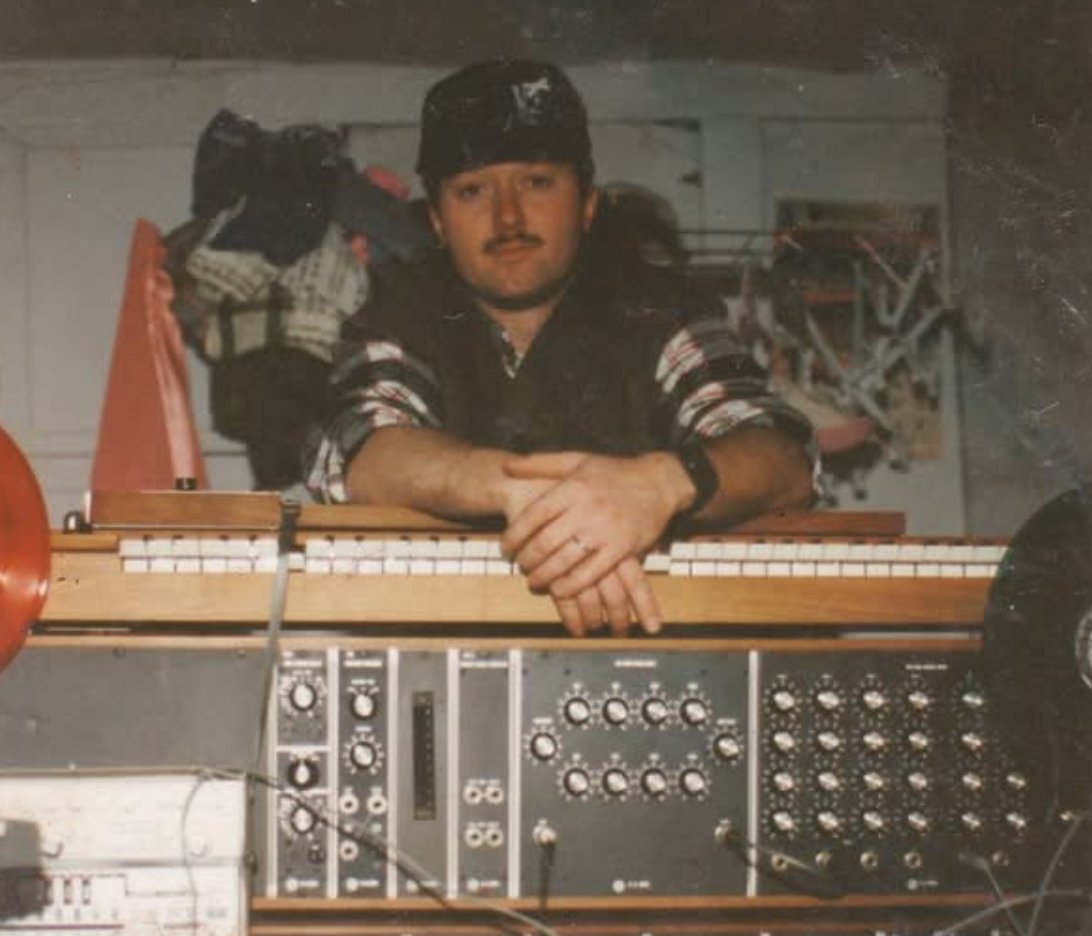
The story of the Moog synthesizer is a fascinating tale of innovation, creativity, and serendipity—a journey that forever changed the landscape of music. From its humble beginnings in 1964 to its enduring influence on modern sound design, the Moog synthesizer has shaped countless genres, inspired legendary artists, and remains an icon in electronic music.
This is the story of how Bob Moog and a chance encounter with a visionary composer led to the birth of an instrument that would redefine music.
The Birth of the Moog Synthesizer: A Vision Takes Shape
A Meeting of Minds: Bob Moog and Herb Deutsch
The Moog synthesizer was born out of a unique movement between two visionaries: Bob Moog, a young electrical engineer with a passion for sound, and Herb Deutsch, a composer seeking a new way to create music.
In 1964, Deutsch approached Moog with a request:
“Can you build an electronic instrument that allows musicians to shape sound in ways never before possible?”
Moog, intrigued by the challenge, set to work. Unlike the large, complex, and impractical electronic music systems of the time, Moog envisioned an intuitive and accessible instrument that would empower musicians to explore new sonic possibilities.
The First Moog Synthesizer: A Modular Marvel
Moog’s first synthesizer was a modular system, consisting of various components that musicians could connect to create different sounds and textures. This groundbreaking design allowed for:
• Oscillators – Generating sound waves.
• Filters – Shaping the tone and timbre.
• Envelope Generators – Controlling dynamics over time.
• Voltage Control – Enabling real-time modulation and expressive performance.
With these elements, musicians could sculpt sound like never before, unlocking unlimited creative possibilities.
The first Moog modular synthesizers found their way into the hands of pioneering electronic musicians, laying the foundation for a new era of music.
The Moog Sound: A Revolution in Music
Wendy Carlos and ‘Switched-On Bach’
One of the earliest musicians to adopt the Moog synthesizer was Wendy Carlos, a composer with a passion for electronic experimentation. In 1968, Carlos released Switched-On Bach, an album that reinterpreted Johann Sebastian Bach’s compositions using the Moog synthesizer.
The album became an unexpected commercial success, proving that electronic instruments could be used for serious musical expression. It also introduced the Moog sound to mainstream audiences, forever linking the instrument to both classical and contemporary music.
The Minimoog: The Synthesizer Goes Portable
While the original Moog modular synthesizers were powerful, they were also bulky and complex, limiting their appeal. In 1970, Moog introduced the Minimoog, a compact, all-in-one synthesizer designed for live performance and studio use.
The Minimoog revolutionized electronic music, offering:
• A compact and portable design – Easy for musicians to transport.
• Pre-wired signal paths – Eliminating the need for complex patch cables.
• Rich, warm analog tones – Instantly recognizable and highly expressive.
Musicians across genres embraced the Minimoog, making it one of the most iconic synthesizers of all time.
The Moog Effect: Shaping Music Across Genres
Progressive Rock and Psychedelia
The 1970s saw an explosion of progressive rock, with artists embracing the Moog’s ability to create otherworldly textures and dynamic leads.
• Keith Emerson (Emerson, Lake & Palmer) – Used the Moog for dramatic solos and symphonic rock explorations.
• Rick Wakeman (Yes) – Created lush, orchestral arrangements with the Minimoog.
• Pink Floyd – Experimented with the Moog’s spacey, atmospheric sounds on albums like Dark Side of the Moon.
Funk and Disco
Beyond rock, the Moog became a staple in funk and disco, thanks to its fat, funky basslines and synth leads.
• Parliament-Funkadelic – Used the Moog to create deep, groovy bass sounds.
• Giorgio Moroder – Brought the Minimoog into disco and electronic dance music, pioneering the synth-driven sound of the late ‘70s.
Hip-Hop, Electronic, and Beyond
As music evolved, so did the Moog’s influence. From hip-hop producers to modern electronic artists, the legendary Moog sound continues to inspire.
• Dr. Dre – Used Moog synthesizers to craft G-funk’s signature sound.
• Daft Punk – Brought Moog’s analog warmth into modern electronic music.
• Tame Impala – Revived psychedelic synth textures for a new generation.
The Moog synthesizer’s rich, warm analog tone remains as relevant today as it was in the 1960s.
Challenges and Revival: The Moog Legacy Lives On
The Fall and Rise of Moog Music
Despite its success, Moog Music faced financial struggles in the 1970s. Bob Moog eventually left the company, and for years, the brand struggled to maintain its identity.
However, the love for Moog synthesizers never faded. In the early 2000s, Moog Music was revived, with Bob Moog returning as the company’s spiritual leader.
Although Bob Moog passed away in 2005, his legacy remains stronger than ever.
Moog in the 21st Century
Today, Moog synthesizers are:
• Highly sought after – Vintage models fetch high prices.
• Continually innovating – New Moog products blend classic analog warmth with modern technology.
• Essential tools – Used by top artists, producers, and sound designers across genres.
From vintage reissues to cutting-edge new designs, Moog continues to shape the future of music.
The Moog Synthesizer’s Enduring Influence
The story of the Moog synthesizer is more than just the tale of an instrument—it’s a testament to innovation, creativity, and the power of sound.
From its humble beginnings in a small workshop to its status as one of the most iconic musical instruments in history, the Moog synthesizer has left an indelible mark on the world of music.
Whether you’re a fan of:
• Classic rock (Pink Floyd, Yes, ELP)
• Funk and disco (Parliament-Funkadelic, Giorgio Moroder)
• Electronic and hip-hop (Daft Punk, Dr. Dre, Tame Impala)
You’ve felt the influence of the Moog synthesizer.
Born from a visionary engineer and a forward-thinking composer, the Moog is a symbol of musical exploration and sonic discovery—an instrument that will continue to inspire generations to come.