Timberland × BEAMS Rework the Yellow Boot for a 50th Anniversary Capsule

April 11, 2026
7 hours ago
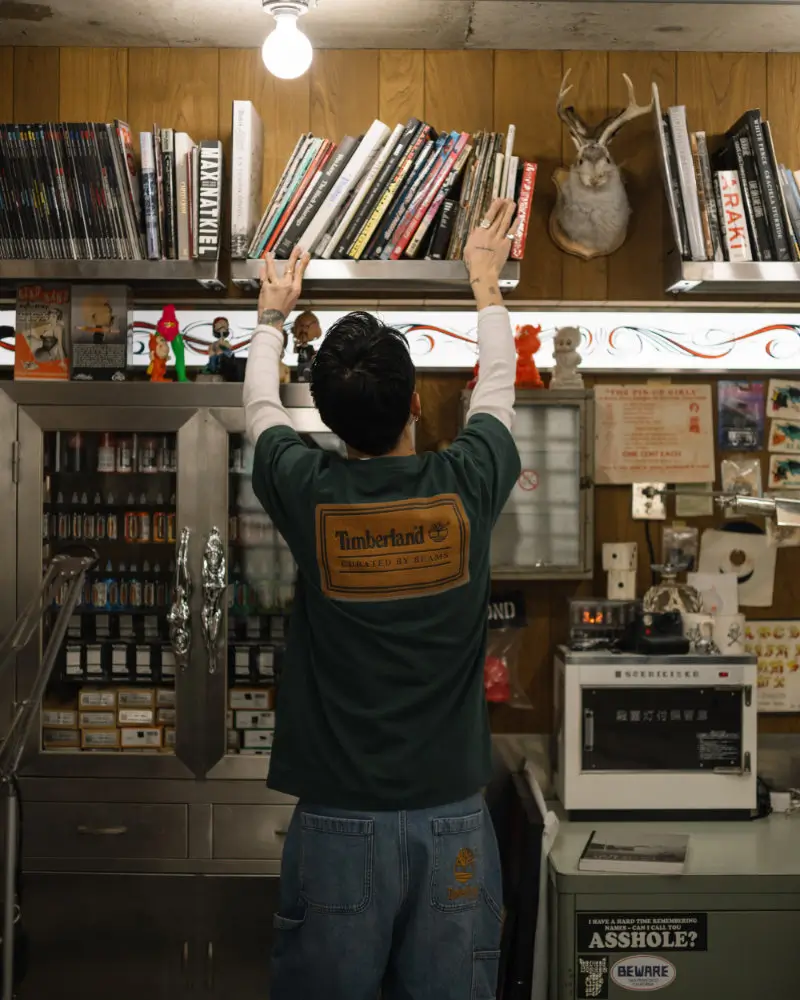

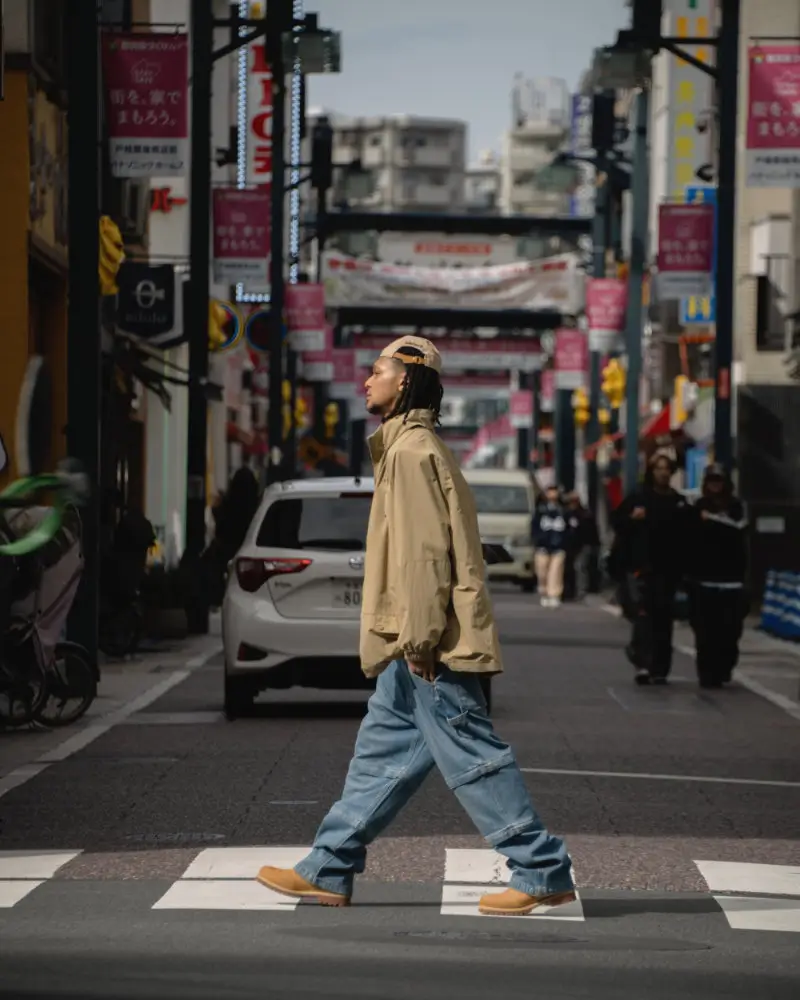

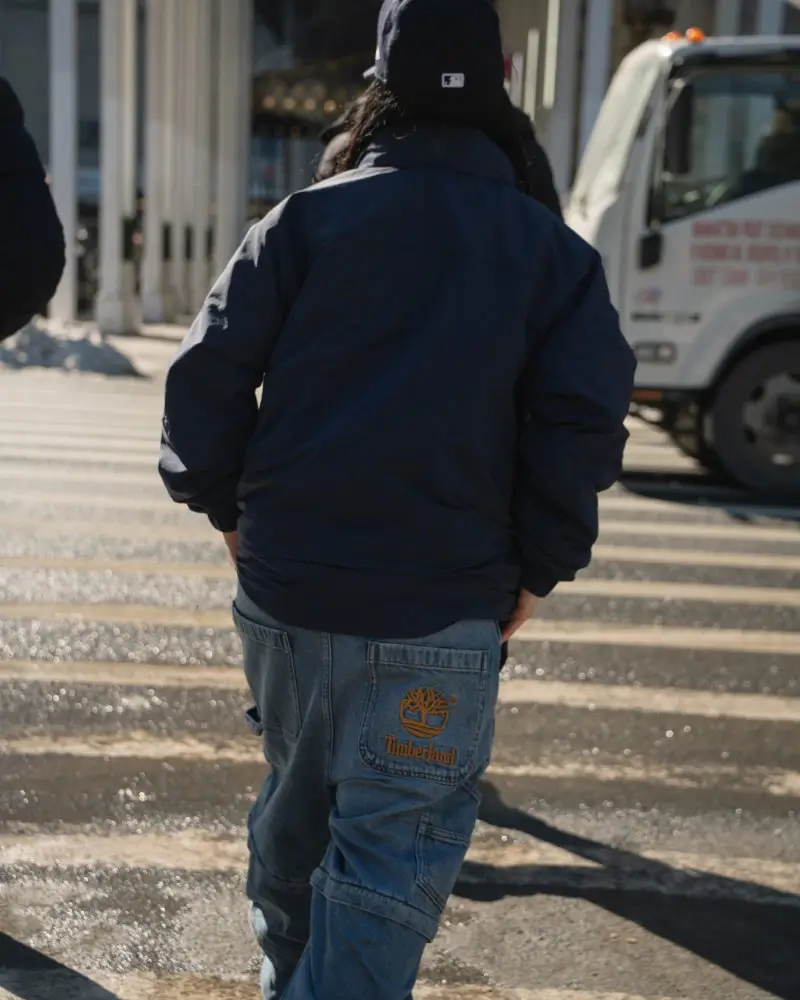
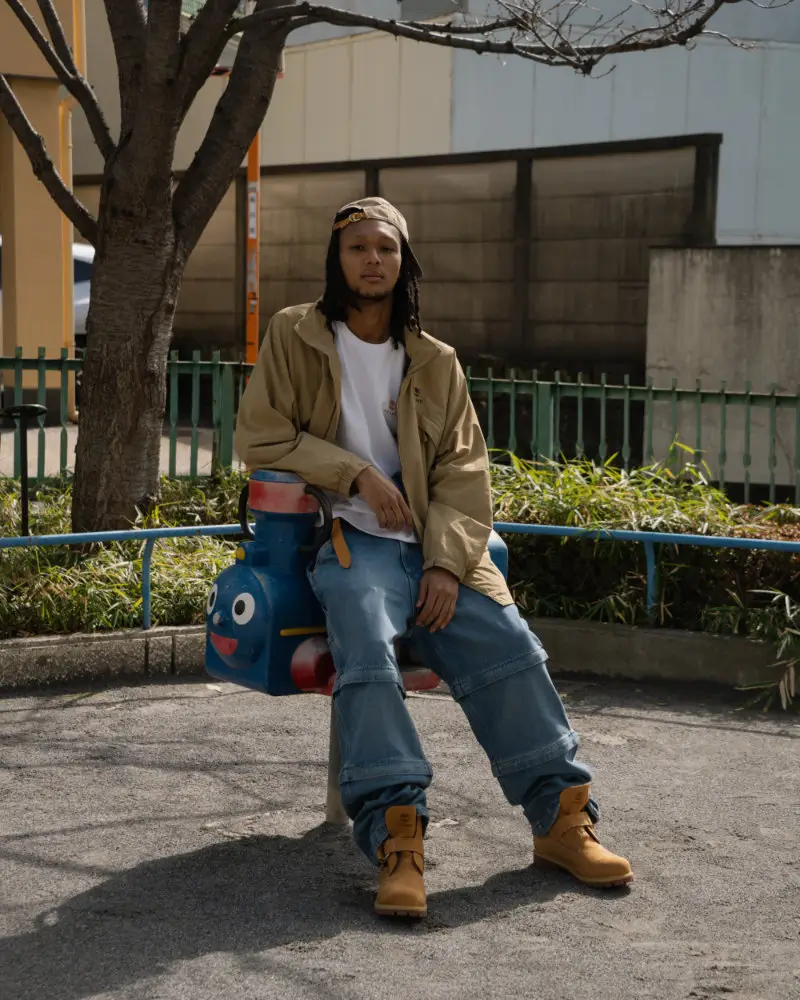
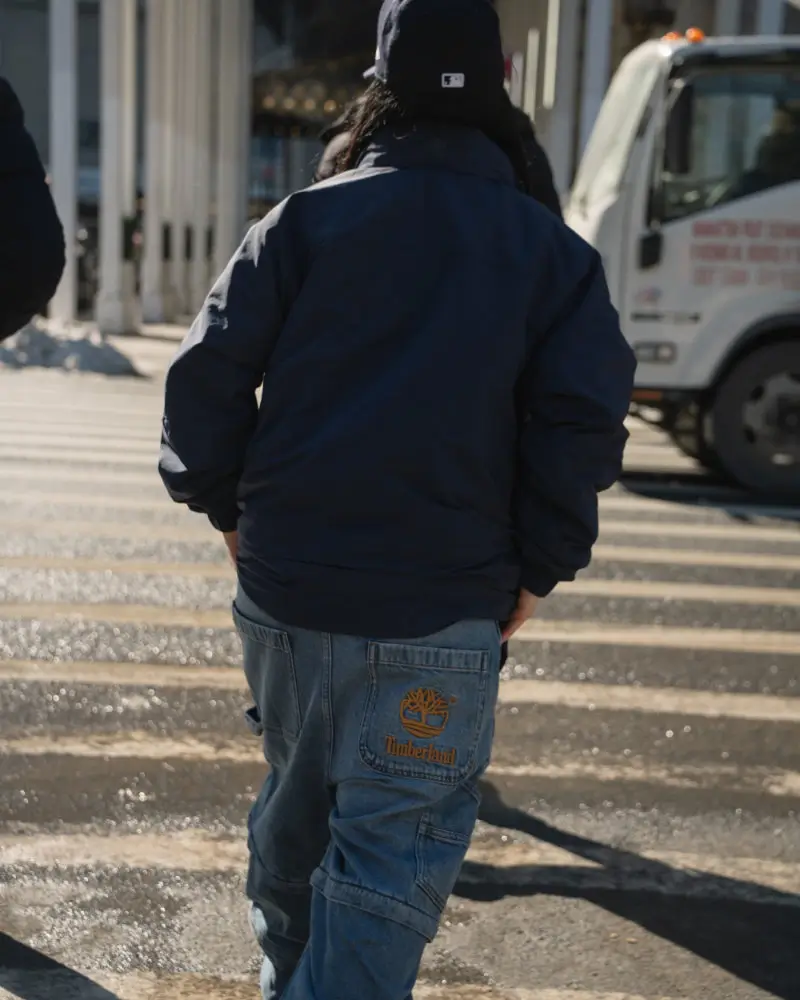
Anniversaries tend to look backward. They gather proof, stack references, and lean into recognition as a form of validation. The 50th from BEAMS does something more restrained—less retrospective, more surgical. In partnering with Timberland, the focus isn’t on restaging history, but on altering how it sits in the present.
This is not a collision of identities. It’s a controlled overlap. Timberland brings a system built on endurance—objects designed to function first, speak later. BEAMS brings a method of interpretation—one that doesn’t overwrite, but edits. The result is a collection that doesn’t expand outward. It tightens inward. It removes, repositions, and sharpens until the familiar starts to feel slightly off-center.
Not new. Not nostalgic. Adjusted.
View this post on Instagram
idea
The removal of laces from the Original Yellow Boot reads as a small decision until you sit with it. Laces are not decorative—they are structural, historical, almost symbolic. They carry the memory of how the boot is worn, tightened, broken in. Eliminating them isn’t aesthetic minimalism. It’s a redefinition of entry.
What replaces them is not neutral. The buckle closure is assertive, external, deliberate. It sits on the surface rather than threading through it, changing the way the boot is approached. You don’t lace into it—you fasten it. That shift, subtle in motion, recalibrates the entire interaction.
The reference to Timberland’s hexagonal eyelets remains, but only as pattern. The function is gone, the geometry preserved. It’s a ghost of the original system, flattened into a visual echo.
The custom last matters here more than it first appears. The proportions are tightened—less bulk through the midfoot, a slightly more directional stance. It doesn’t abandon the boot’s weight, but it redistributes it. The silhouette feels more intentional, less inherited.
Material decisions stay disciplined. Premium leather remains untouched as the anchor. GORE-TEX sits beneath the surface, invisible but decisive, ensuring the boot performs without announcing it. Primaloft insulation follows the same logic—present, necessary, but never exaggerated.
The boot becomes a study in subtraction. What happens when you remove the expected and leave everything else intact? It doesn’t collapse. It sharpens.
frame
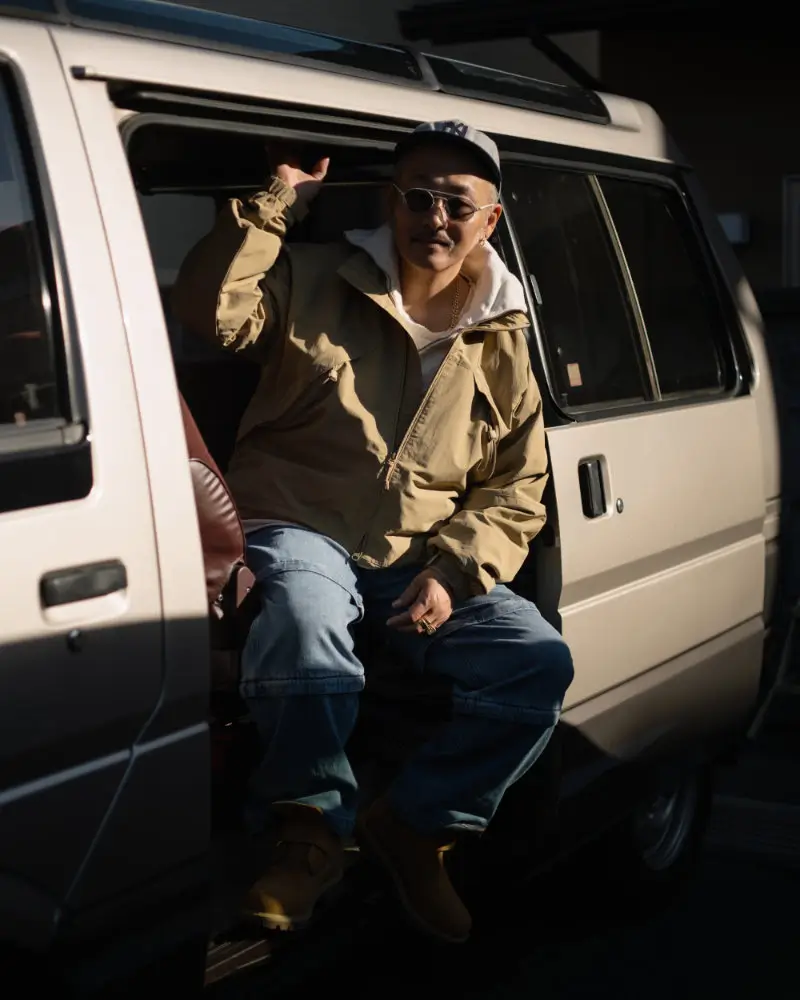
If the boot questions structure, the jacket reinforces it. Pulled from a 1997 Timberland archive, it doesn’t attempt to reinterpret through excess. It stabilizes the collection, offering a piece that feels grounded, almost infrastructural.
Water-repellent nylon sets the tone immediately. Lightweight, durable, responsive. It’s a material that doesn’t need explanation—it performs, then disappears into use. There’s no attempt to elevate it artificially. Its value is in its consistency.
The two-way zipper becomes the garment’s quiet center. Not dramatic, not attention-seeking, but essential. It allows the wearer to adjust proportion in real time—opening from the bottom to shift the silhouette, closing higher to contain it. The jacket doesn’t dictate shape. It responds to it.
The stowable hood operates on the same principle. Present when needed, invisible when not. It’s not a design flourish—it’s a conditional element. The jacket adapts without announcing the adaptation.
Pockets remain functional, unembellished. They sit where they should, do what they should, and stop there. This restraint is intentional. The collection avoids the temptation to over-communicate utility. It trusts the wearer to understand it.
Convertible length introduces the only visible shift. The jacket can collapse or extend, altering its proportion without losing coherence. It doesn’t transform dramatically—it adjusts, like everything else in the capsule.
flow
The jeans enter with less noise, but equal precision. Based on a 2002 Timberland silhouette, they carry a relaxed structure that avoids both nostalgia and trend alignment. They don’t lean into oversized exaggeration, nor do they tighten into contemporary slimness. They sit in a controlled middle.
The modular length system is where the piece opens up. The ability to adjust the hem introduces variability into a category that typically resists it. Denim is often fixed—cut, hemmed, finalized. Here, it remains unresolved by design.
You can shorten it, extend it, alter the break depending on context. The jeans become less about a singular fit and more about a range of fits contained within one object.
This is consistent with the broader logic of the collection. Nothing is locked into one state. Everything holds the potential for adjustment, but within limits. There is no chaos here—only controlled flexibility.
Fabric remains straightforward. No unnecessary treatments, no forced innovation. The focus stays on structure, on how the jeans sit and move, rather than how they perform visually.
small
The accessories carry the same discipline, scaled down.
The six-panel cap doesn’t rely on its graphic to define it. The detail sits in the visor—four rows of stitching that mirror the boot’s construction language. It’s not immediately visible. It doesn’t need to be. The connection exists whether it’s noticed or not.
The belt extends the material story. Same leather as the boots, same weight, same tactility. The gold buckle introduces a slight elevation, but stops short of becoming decorative. It remains functional first, refined second.
These pieces don’t attempt to stand alone. They operate as extensions, reinforcing the internal coherence of the capsule. They echo rather than announce.
View this post on Instagram
bridge
Positioning the collection between New York and Tokyo could easily collapse into cliché. Instead, it operates through structure rather than symbolism.
New York, here, is not aesthetic—it’s functional. It’s Timberland’s origin point, where clothing exists to endure environment before it communicates identity. Durability is not a feature. It’s a requirement.
Tokyo, through BEAMS, introduces a different rigor. Not necessity, but precision. The act of refining proportion, of adjusting detail until it becomes almost invisible. It’s a discipline of reduction, not addition.
The collection doesn’t merge these perspectives into something indistinct. It allows them to coexist. Function remains intact. Form is adjusted. Neither dominates.
This balance is difficult to maintain. Lean too far into utility, and the collection becomes predictable. Lean too far into reinterpretation, and it loses grounding. Here, it holds the center.
extent
The anniversary sits quietly in the background. It doesn’t demand attention. There are no overt references, no celebratory graphics, no forced archival reproductions.
Instead, the past is embedded structurally. The 1997 jacket, the 2002 jeans—these are not reissued. They are reworked. Their original forms are used as frameworks, not endpoints.
This approach avoids the weight of nostalgia. It doesn’t ask the wearer to recognize history. It allows them to engage with it without needing context.
BEAMS’ 50 years are present, but not performative. They exist in the decisions, not in the messaging.
process
What defines this capsule is not what has been added, but what has been removed. The process is editorial in the truest sense—cutting, refining, leaving only what holds.
The boot loses its laces. The jacket loses excess. The jeans lose fixed length. The accessories lose the need to stand alone.
Each subtraction creates space for something else—clarity, adaptability, coherence.
This is not minimalism. It’s precision. Nothing feels reduced for the sake of aesthetics. Everything feels adjusted for the sake of function and form aligning more tightly.
xp
There’s a discipline to knowing when to stop. This collection understands its limits. It doesn’t attempt to expand beyond its scope, doesn’t introduce unnecessary categories, doesn’t overstate its significance.
It works within a defined set of objects—boot, jacket, jeans, accessories—and refines them until they hold their shape more clearly.
The impression is not immediate. It doesn’t rely on first impressions. It reveals itself through use, through the way each piece adapts, through the way familiar structures begin to feel slightly different.
In a landscape driven by visibility, this kind of restraint reads almost radical.
fin
Strip away the anniversary, the collaboration framing, the cross-city narrative, and what remains are objects that function—boots that close differently, jackets that adjust, jeans that refuse to fix themselves.
That’s where the collection succeeds. Not in what it says, but in what it allows.
It doesn’t ask to be understood all at once. It invites reconsideration over time.
And in that space—between what was expected and what is now slightly altered—it finds its meaning.