Tradition and Technology Sync at China’s ‘AI Temple Fair’

February 2, 2025
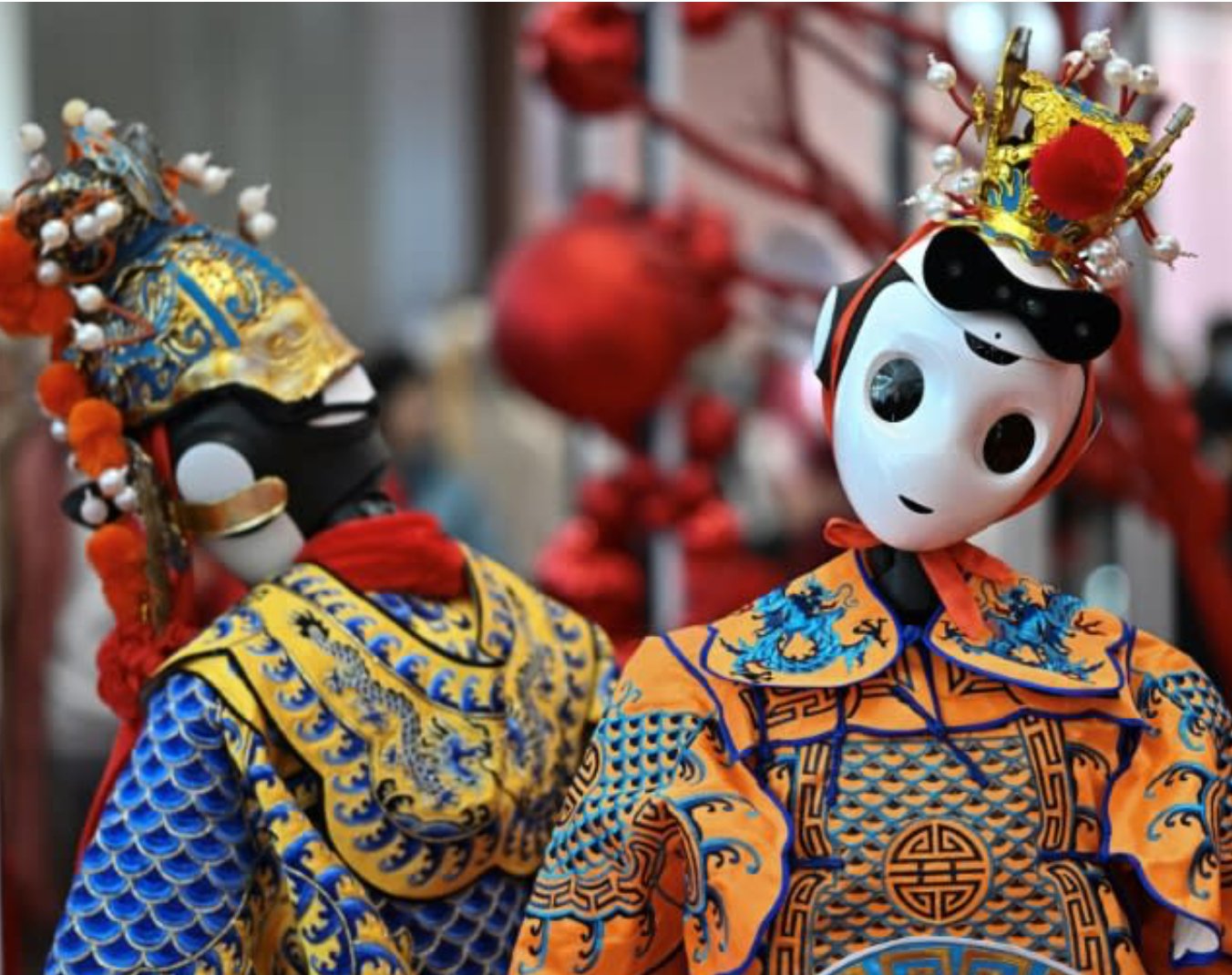
China has long been a land where tradition and technology coexist, often blending in surprising and innovative ways. Now, this harmony is taking center stage at the ‘AI Temple Fair,’ a futuristic reimagination of one of China’s most time-honored cultural traditions. Once rooted in centuries-old customs of prayer, commerce, and community gathering, temple fairs are now being redefined with cutting-edge artificial intelligence, automation, and digital interaction.
This blend of old and new offers a glimpse into the evolving relationship between cultural heritage and technological advancement in modern China. As AI-driven experiences enhance traditional festivities, the AI Temple Fair is not only reshaping public celebrations but also raising fundamental questions about the role of technology in preserving and evolving cultural identity.
What Is a Traditional Chinese Temple Fair?
Before diving into the AI-powered transformation, it’s important to understand what traditional temple fairs (庙会, miàohuì) are. Temple fairs have been an integral part of Chinese cultural life for centuries, particularly during major festivals like the Lunar New Year. These gatherings typically take place around Buddhist, Taoist, or folk-religion temples and feature:
•Religious ceremonies – Offerings, incense burning, and prayers for prosperity.
•Street performances – Traditional opera, acrobatics, and lion/dragon dances.
•Marketplaces – Vendors selling local handicrafts, street food, and festive goods.
•Folk activities – Fortune-telling, calligraphy, and paper-cutting demonstrations.
These fairs serve as a bridge between the spiritual, social, and commercial spheres of Chinese life. But with China’s rapid technological advancements, even these deeply traditional events are undergoing a digital transformation.
The Rise of the AI Temple Fair
China has been at the forefront of AI development, integrating smart technologies into various aspects of daily life. The AI Temple Fair represents the next step in this evolution, where machine learning, robotics, and digital interactivity redefine how people engage with ancient customs.
AI-Powered Fortune Tellers
One of the most popular attractions at traditional temple fairs is fortune telling (算命, suànmìng). While this was traditionally done by Taoist monks or geomancers using ancient methods like I Ching divination, face reading, or palmistry, AI is now taking over.
At the AI Temple Fair:
•Visitors can consult an AI fortune teller, which uses facial recognition and big data analysis to predict personality traits, health trends, and career paths.
•Some platforms integrate natural language processing (NLP), allowing people to “chat” with AI-driven oracles, which generate customized readings based on input data.
These AI fortune tellers blend mysticism with modern data science, offering an algorithmic reinterpretation of fate.
Smart Worship and Virtual Incense Offerings
In traditional temple fairs, worshippers burn incense to pay respects to deities. However, concerns over air pollution and environmental impact have led some temples to ban or limit incense burning.
In response, the AI Temple Fair introduces smart worship experiences:
•Virtual incense offerings: Visitors can use augmented reality (AR) or digital kiosks to light virtual incense, which is then displayed on large LED screens inside temple grounds.
•AI-powered prayer boards: Instead of writing wishes on traditional red ribbons or wooden plaques, people can use AI-assisted prayer boards that analyze prayers and suggest auspicious days for fulfilling them.
•Robotic temple guides: AI-driven robot monks or chatbots provide explanations of deities, temple history, and rituals in multiple languages.
This approach modernizes religious customs while preserving their essence, making them accessible in a digital-first world.
Digital Red Envelopes and AI-Powered Transactions
Temple fairs have always had a commercial aspect, with vendors selling food, crafts, and souvenirs. However, China’s move toward a cashless society means that many of these transactions are now powered by AI-driven fintech.
At the AI Temple Fair:
•Visitors can receive digital red envelopes (红包, hóngbāo) via WeChat Pay or Alipay, replacing traditional paper envelopes given during Lunar New Year.
•AI algorithms personalize discounts and offers, analyzing a visitor’s purchasing history and recommending specific stalls.
•Smart vending machines and automated robot chefs serve traditional festival delicacies, such as sugar-coated hawthorn (糖葫芦, tánghúlu) and dumplings, ensuring fast and efficient service.
This integration of AI in financial transactions ensures seamless, cashless commerce while maintaining the tradition of giving.
AI-Enhanced Cultural Performances
Performances like lion dances, shadow puppetry, and Peking opera are a major attraction at temple fairs. The AI Temple Fair enhances these experiences in innovative ways:
•Holographic performances: Using AI-generated animations, holograms of historical performers or deities interact with audiences.
•AR-enhanced lion dances: Spectators can use their smartphones to view digital overlays, such as fireworks, spirit animals, or mythological creatures, interacting with the real-world performance.
•AI-generated opera performances: Machine learning algorithms analyze traditional Peking opera scripts and music, creating new AI-generated storylines that blend ancient plots with modern themes.
This fusion of AI and live entertainment creates an immersive and interactive cultural experience.
AI and Smart Security
Large gatherings like temple fairs require robust security measures. AI-driven surveillance enhances crowd control and safety:
•Facial recognition at entry points ensures that only authorized visitors enter certain areas.
•AI-powered drone patrols monitor crowd density and prevent stampedes.
•Real-time language translation AI helps international visitors navigate the fair with ease.
By incorporating smart security solutions, organizers can create a safer and more efficient festival environment.
The Debate: Is AI a Threat to Cultural Authenticity?
The AI Temple Fair is undeniably a marvel of modern innovation, but it also raises important cultural and philosophical questions:
Does AI dilute tradition?
Critics argue that AI replaces human connection and craftsmanship with automation, making ancient rituals feel artificial.
Can tradition evolve without losing its essence?
Proponents believe that technology enhances accessibility, ensuring that younger generations engage with traditions in new ways.
The Future of AI in Chinese Festivals
As China continues to embrace AI and automation, the AI Temple Fair could serve as a blueprint for future cultural festivals. Possible developments include:
•AI-powered virtual reality (VR) experiences, allowing people worldwide to join temple fairs remotely.
•Blockchain-powered digital prayer logs, creating permanent, tamper-proof records of wishes and blessings.
•Custom AI-generated festival stories, where visitors interact with mythological narratives tailored to their personal preferences.
The possibilities are endless, as long as technology serves as a tool for enrichment rather than replacement.
Impression
The AI Temple Fair is a fascinating intersection of tradition and technology, where ancient customs meet the cutting edge of AI innovation. While some view it as a symbol of cultural evolution, others see it as a potential threat to authenticity. Regardless of perspective, one thing is clear: China’s embrace of AI is reshaping not just industries, but the very fabric of cultural heritage itself.


No comments yet.