Trailer of the Restored and Expanded ‘The Beatles Anthology’

November 20, 2025
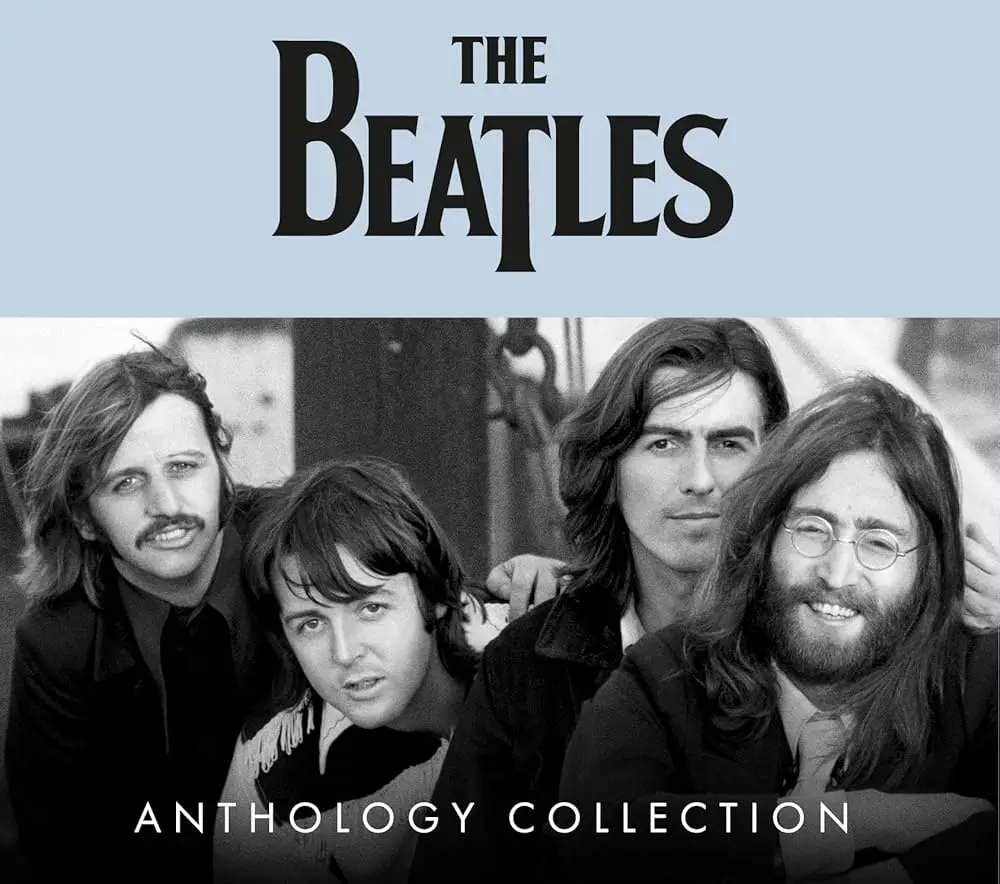
The Beatles have always existed in a strange space between the past and the present, suspended in a kind of cultural amber that somehow continues to glow warmer with time. Nearly twenty-nine years after The Beatles Anthology debuted as a landmark documentary event—a televisual epic released in the mid-1990s, paired with archival albums and the last era-defining singles the world thought it would ever get from the Fab Four—Apple Corps has done what once seemed improbable. A restored, expanded, and re-imagined edition of the Anthology is on the horizon. And this week, fans have finally been given their first real taste: a newly cut trailer, rich with color-corrected footage, previously unseen fragments, and the unmistakable sensation that something culturally seismic is shifting again.
The trailer’s arrival is more than a promotional beat; it’s a symbolic reopening of a vault fans thought was sealed, a sign that the band’s vast archive continues to be a living, breathing organism rather than a museum exhibit. To understand why this matters—and why the trailer itself is so potent—you have to retrace the original Anthology’s role in Beatles lore, its influence on documentary craft, its emotional weight for those who lived it the first time, and its renewed relevance for a generation raised on streaming and algorithmic discovery.
anthology
When the original Anthology aired in 1995, it was almost overwhelming in scope: eight episodes, each nearly feature-length, chronicling the Beatles from their post-war youths in Liverpool to the acrimonious dissolution that marked the end of an era. It was, in many ways, the Beatles’ definitive self-portrait—narrated largely in their own voices, shaped by surviving members Paul McCartney, George Harrison, and Ringo Starr.
But the context of that release cannot be overstated. It was the mid-’90s. Music television was dominant. Home video was still a luxury. The internet was primordial. People gathered in real time to watch the Anthology as it aired on ABC, then replayed it endlessly on VHS. The documentary’s presentation—grainy 16mm snippets, low-resolution performance clips, hastily restored interviews—was state of the art at the time. But today, the original looks unmistakably of its era.
That’s exactly why the new trailer feels so revelatory. What’s been revealed in just a minute or two of footage is not merely a restoration but a reconsideration. The color grading is more cinematic. The archival performances have newfound vibrancy. Close-ups once lost to softness now feel tactile. The audio mix breathes more naturally, lifting both the voices and the ambient character of the rooms they inhabit.
Yet this restoration stands apart from recent Beatles archival projects—Get Back, Now and Then, Revolver (2022)—in tone. Those projects felt like rediscoveries of specific moments. This Anthology re-release feels like the reopening of an entire memory palace, one that was always loved but never truly modernized.
The trailer signals that the Anthology is no longer a ‘90s artifact. It is a contemporary cultural event.
emotion
The opening shot of the trailer—subtle, unforced, almost quiet—immediately sets a different tone. It allows a few seconds of silence before an early McCartney voiceover begins. This silence, in a piece of marketing, is rare; its intention is unmistakable. It asks the viewer to lean in rather than lean back.
The sequence that follows is a rhythmic collage: Hamburg’s sweaty nightlife, Cavern Club footage so crisp it feels like a reenactment, early fan hysteria, screaming rooftops, screaming runways, studio sessions where the band looks simultaneously exhausted and electrified. The edit is not chronological; it feels emotional, almost synaptic. Moments flash like memories rather than historical slides.
Then comes the hook: a snippet of newly surfaced interview audio, likely from George Harrison, discussing the band’s earliest ambitions. The quote, short but impactful, places the focus not on fame but on friendship. It reframes the early Beatles not as mythic icons but as teenagers chasing clubs, laughs, and songs. It’s this humanity—this closeness—that makes the trailer feel less like an advertisement and more like a reunion.
Crucially, the trailer avoids the cliché of over-explaining its significance. There are no heavy-handed taglines, no declarations of “for the first time ever.” Instead it opts for subtlety: a line of text reading simply Restored. Expanded. Rediscovered. The restraint mirrors the original band’s ethos. Where the 1995 trailers leaned into spectacle, the 2025 version leans into sincerity.
This is not nostalgia for nostalgia’s sake. It’s memory rendered with care.
show
Perhaps the biggest promise embedded in the trailer is the concept of “expanded.” The hint is subtle: a few never-before-seen clips of the Beatles during the White Album sessions, another of Lennon adjusting his glasses during the filming of Help!, and a fleeting glimpse of Harrison experimenting with a sitar take that fans have debated for decades.
These flashes are microseconds long, but they confirm a rumor that has circulated among collectors for years—there were far more interviews, photos, and film reels gathered for the Anthology’s original production than Apple ever had the capacity to use. Much of that material was organized, logged, digitized, and then locked away. Now, with modern scanning, AI-assisted cleanup, and newly restored audio reels, Apple has opened that trove.
The trailer’s editing suggests that the expanded Anthology will not simply include bonus footage appended at the end of episodes. Instead, it appears the episodes themselves have been restructured, with previously unseen material woven into their narrative fabric. This decision changes the Anthology from a restored product into a new edition—one with updated editorial logic, context, and rhythm.
The Beatles have often been at the intersection of cultural memory and technological change. This re-expanded Anthology feels like a continuation of that legacy—less a re-release than a reinvention.
gen
A key question emerges: why now? Why reframe the Anthology almost thirty years later?
The trailer seems to answer indirectly: to bridge generations who experience music differently.
Viewers who first encountered the Beatles on vinyl or CD already have their memories intertwined with the original Anthology. But younger audiences—those who discovered “Here Comes the Sun” on Spotify playlists, TikTok trends, or YouTube algorithms—have almost no emotional connection to the documentary. They know the Beatles musically but rarely narratively.
The new trailer appears designed to appeal to them just as much as to longtime fans. Its pacing is faster, its visual grading more contemporary, its cut more reminiscent of a prestige-streaming documentary than a TV event. Its emotional beats echo modern nonfiction storytelling: emphasis on intimacy, psychological nuance, and the human complexity behind fame.
And yet, this modernity coexists with a sense of reverence. The trailer doesn’t turn the Beatles into influencers or content creators. It grounds them in their authentic era while making that era easier for digital-age viewers to enter.
This balance—historical authenticity with contemporary accessibility—is the trailer’s most impressive accomplishment.
culture
What the trailer ultimately communicates is that the Anthology, in its restored and expanded form, is not merely an archival release. It’s a statement of continuity.
In the same decade that saw the Beatles reunite technologically for “Now and Then”—a track derived from an old Lennon demo—this Anthology restoration feels like another act of connection across time. It is not rewriting history but illuminating it, trusting that modern tools can bring clarity without distortion.
The trailer’s color restoration is particularly striking. Skin tones look natural. Stage lighting feels cinematic rather than washed-out. Instruments shine with period-correct grain and texture. These enhancements don’t modernize the Beatles; they make their world newly vivid.
And emotionally, that vividness intensifies the documentary’s central themes: the fragility of friendship, the weight of creative ambition, the cost of global fame, the miracle that four young Liverpudlians became something far larger than themselves.
The restored Anthology trailer suggests that the story’s impact still grows, still resonates, still finds new ways to speak.
style
Trailers often serve as previews. This one feels more like an invitation—an opening door into a familiar house that has been lovingly rebuilt. It welcomes viewers into a space they once knew, but with different light, different angles, and different rooms opened for the first time.
The promise is profound: a chance not only to rewatch the Beatles’ story but to re-experience it. To hear nuances previously lost in the noise. To see expressions previously obscured by age or technical limitation. To feel, perhaps for the first time since its 1995 debut, the Anthology as a living moment.
The Beatles’ narrative has been told countless times, but trailers like this remind us why it keeps mattering: the story isn’t static. It evolves because we evolve. Restoration isn’t nostalgia—it’s conversation.
The trailer is proof that the Beatles’ tale, expansive as it already is, still has space to breathe.
idea
The restored and expanded Beatles Anthology stands poised to be more than a re-release. The trailer makes it clear: this is a cultural event, an act of preservation, and a declaration that history can be made new without losing its soul.
As the final montage of the trailer plays—Ringo on drums, George smiling shyly in the studio, Paul humming a half-written melody, Lennon’s unmistakable glance into the camera—the feeling that lingers is not sadness, nor nostalgia, but renewal.
For a band whose story we think we know intimately, the trailer offers a quiet revelation: maybe there is still more to feel, more to understand, more to remember.
The Beatles once said the love you take is equal to the love you make. The restored Anthology, judging from this trailer, is made with extraordinary love—for music, for memory, and for the millions across generations who continue to find themselves in the long and winding road.
And now, with this trailer, that road stretches just a little further.