Tretorn Ace ’91: Court Memory, Everyday Form

April 8, 2026
2 hours ago
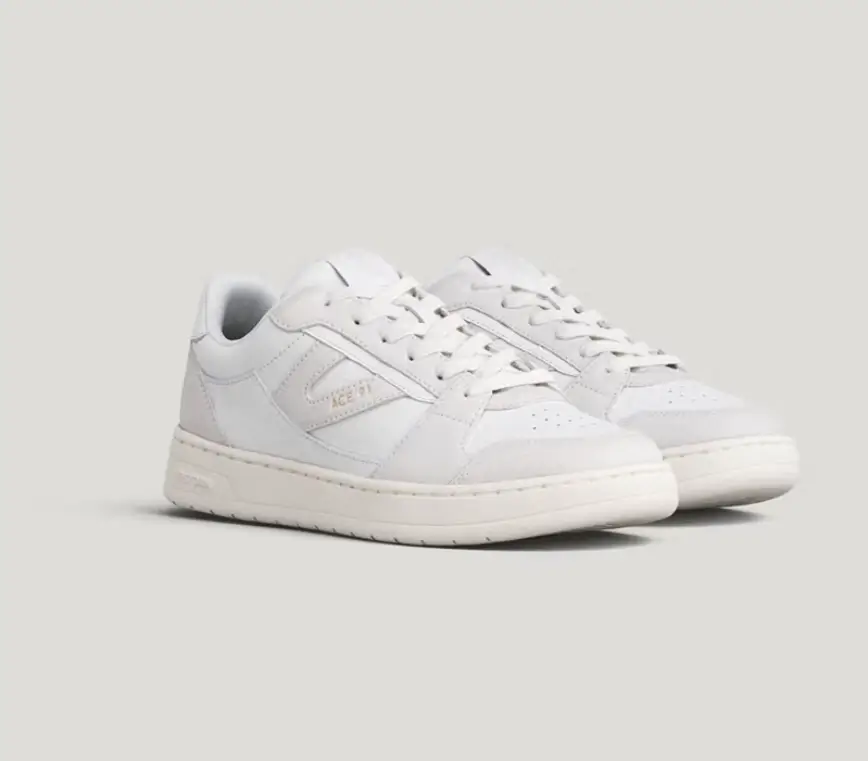
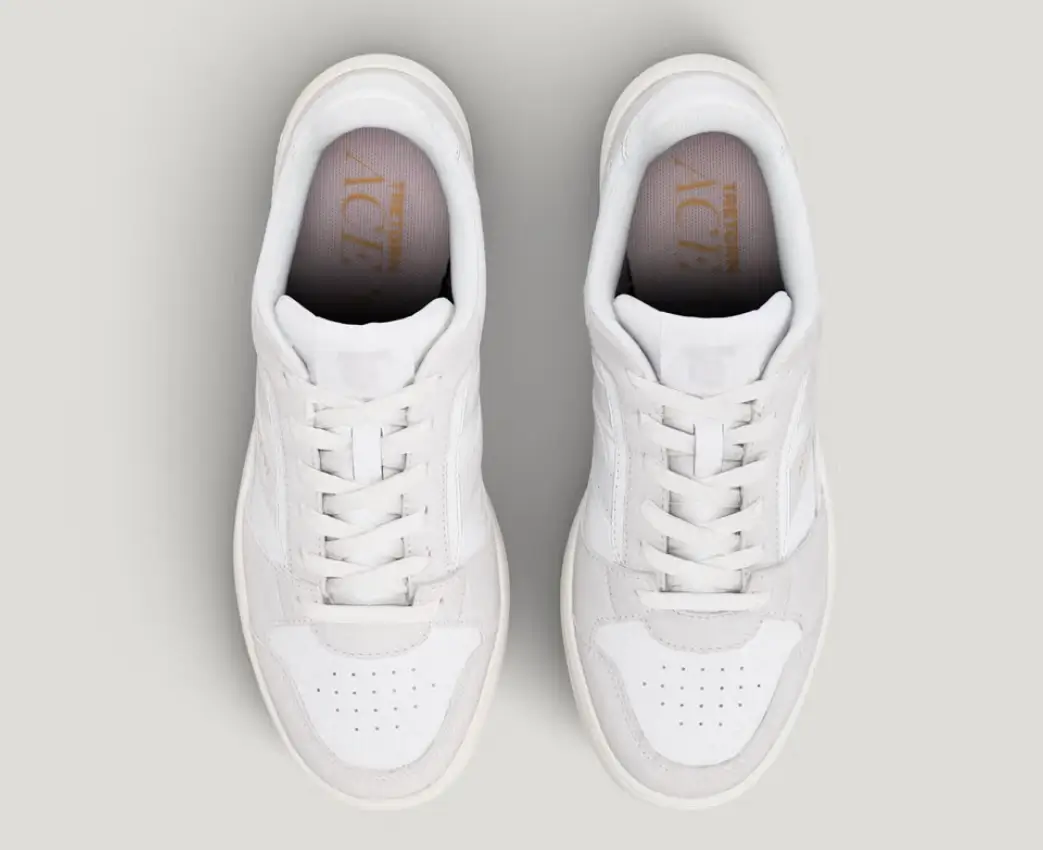
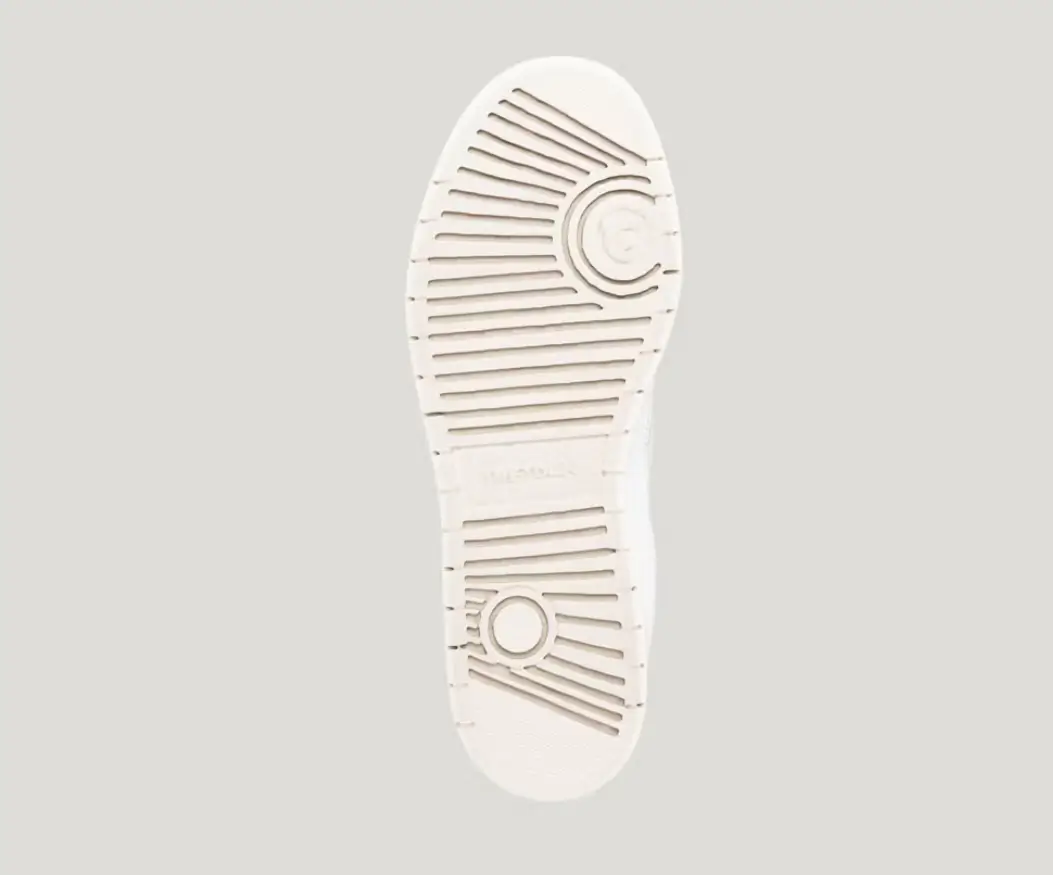
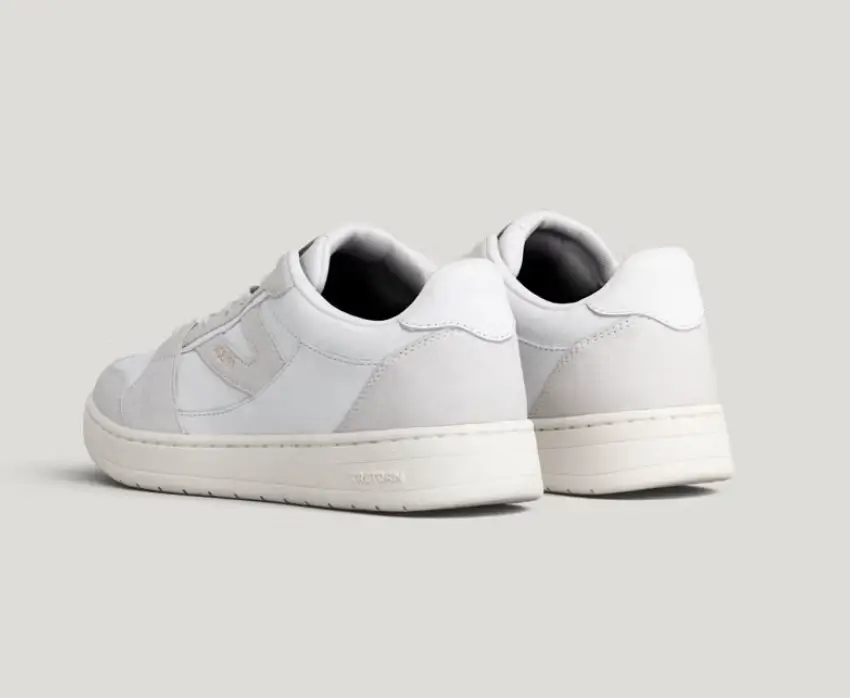
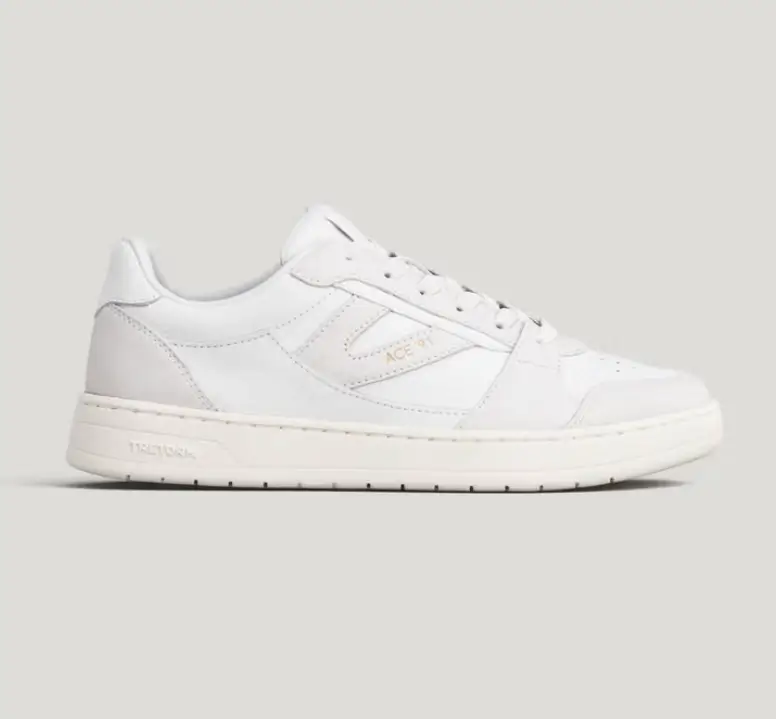
There is a specific kind of clarity that comes from tennis footwear designed before excess became the default. The Ace ’91 by Tretorn draws from that moment—early 1990s performance—when design was already precise, but not yet overstated. It’s not nostalgia in the conventional sense. It’s structural recall.
The shoe doesn’t replicate an archive model; it reinterprets a design language. One built on discipline: low profiles, controlled proportions, and an understanding that performance doesn’t require view noise. That restraint carries through here. The Ace ’91 doesn’t attempt to compete for attention—it settles into its own logic.
sil
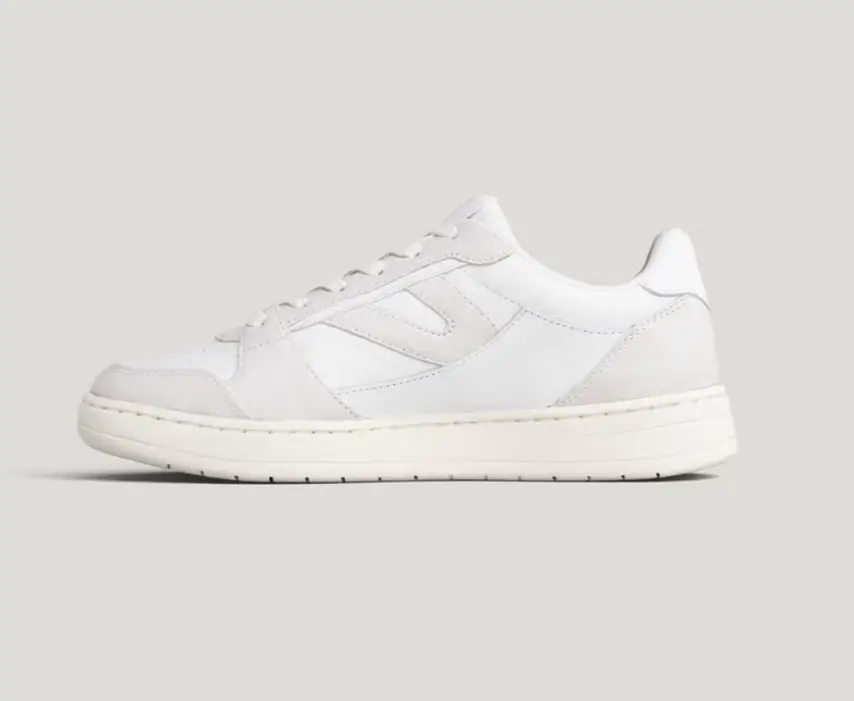
What defines the model immediately is its shape. The silhouette is narrow, close to the foot, almost tapered in a way that feels deliberate rather than trend-driven. There’s a tension between sport and minimalism—one that allows the shoe to move fluidly between contexts.
Unlike bulkier contemporary sneakers, the Ace ’91 doesn’t rely on volume to communicate presence. Its impact comes from proportion. The low stance, the measured curvature of the upper, the absence of unnecessary layering—all of it contributes to a form that feels resolved.
It’s a silhouette that doesn’t interrupt an outfit. It completes it.
mat
The materials reinforce that same philosophy. Leather sourced from LWG Gold-certified tanneries introduces a layer of accountability without turning it into a headline. It’s not presented as innovation, but as baseline quality—something expected rather than celebrated.
The finish is clean, almost understated to the point of disappearing. There’s no aggressive texturing or contrast for the sake of effect. Instead, the surface reads as consistent, considered. Over time, it’s the kind of material that evolves subtly rather than deteriorates.
This is where the shoe begins to shift from product to object—something designed to be lived in, not just worn.
View this post on Instagram
show
Inside, the cushioned insole provides exactly what it needs to: support for everyday use. Not exaggerated softness, not engineered spectacle—just a reliable base that holds up across hours of wear.
There’s a discipline to that restraint. Comfort here isn’t something you notice immediately; it’s something you realize later, after a full day, when nothing has distracted or fatigued. The shoe doesn’t demand awareness. It allows it to fade.
That, in itself, is a form of design success.
grnd
The outsole, developed through Tretorn’s proprietary construction, anchors the shoe in function. Stability and durability aren’t presented as features—they’re embedded into the experience.
The grip pattern reflects its tennis origins, but it’s been recalibrated for urban movement. Pavement instead of court, repetition instead of bursts. The transition feels seamless because the foundation was always about control.
It’s not about performance in the athletic sense anymore. It’s about consistency.
idea
What makes the Ace ’91 distinct is how it negotiates its identity. It carries visible traces of sport—paneling, structure, stance—but filters them through a more subdued, everyday expression.
There are no overt cues trying to remind you of its origin. Instead, those references sit quietly within the design. The result is a shoe that feels informed by sport, not defined by it.
This distinction matters. It allows the Ace ’91 to exist outside of trend cycles that rely on overt retro signaling.
flow
The true test of a shoe like this isn’t how it performs once—it’s how it holds up over time. The Ace ’91 is built for repetition. Daily wear, consistent use, gradual aging.
Its durability isn’t just about construction. It’s about visual endurance. The design doesn’t date quickly because it was never tied to a specific moment of hype. It exists in a slower timeline.
This is where it becomes most relevant: not as a seasonal addition, but as a constant.
day
In practice, the Ace ’91 works because it doesn’t impose itself on the wearer. It adapts. Whether paired with tailored trousers, denim, or something more casual, it maintains its integrity without overpowering the rest.
There’s a neutrality to it—but not the empty kind. It’s a considered neutrality, one that comes from careful editing rather than absence of design.
It’s the kind of shoe that becomes part of a routine without ever feeling routine.
stir
Tretorn’s history in sport isn’t foregrounded here—it’s embedded. The Ace ’91 doesn’t rely on storytelling to justify itself. It carries that history in its proportions, its construction, its decisions.
This is what makes it feel contemporary. Not because it introduces something entirely new, but because it understands what to keep—and what to leave behind.
In a landscape where sneakers often chase visibility, the Ace ’91 moves in the opposite direction. It refines. It reduces. It focuses.
fin
The Ace ’91 doesn’t attempt to redefine footwear. It doesn’t need to. Its strength lies in its ability to exist without excess—grounded in function, shaped by history, and adapted for everyday life.
It’s not a shoe you wear for a moment. It’s one you return to.
And in that repetition, it proves its point.