Inside Twilo’s Legendary Return to New York City Nightlife, 25 Years After the Club’s Closing

March 13, 2026
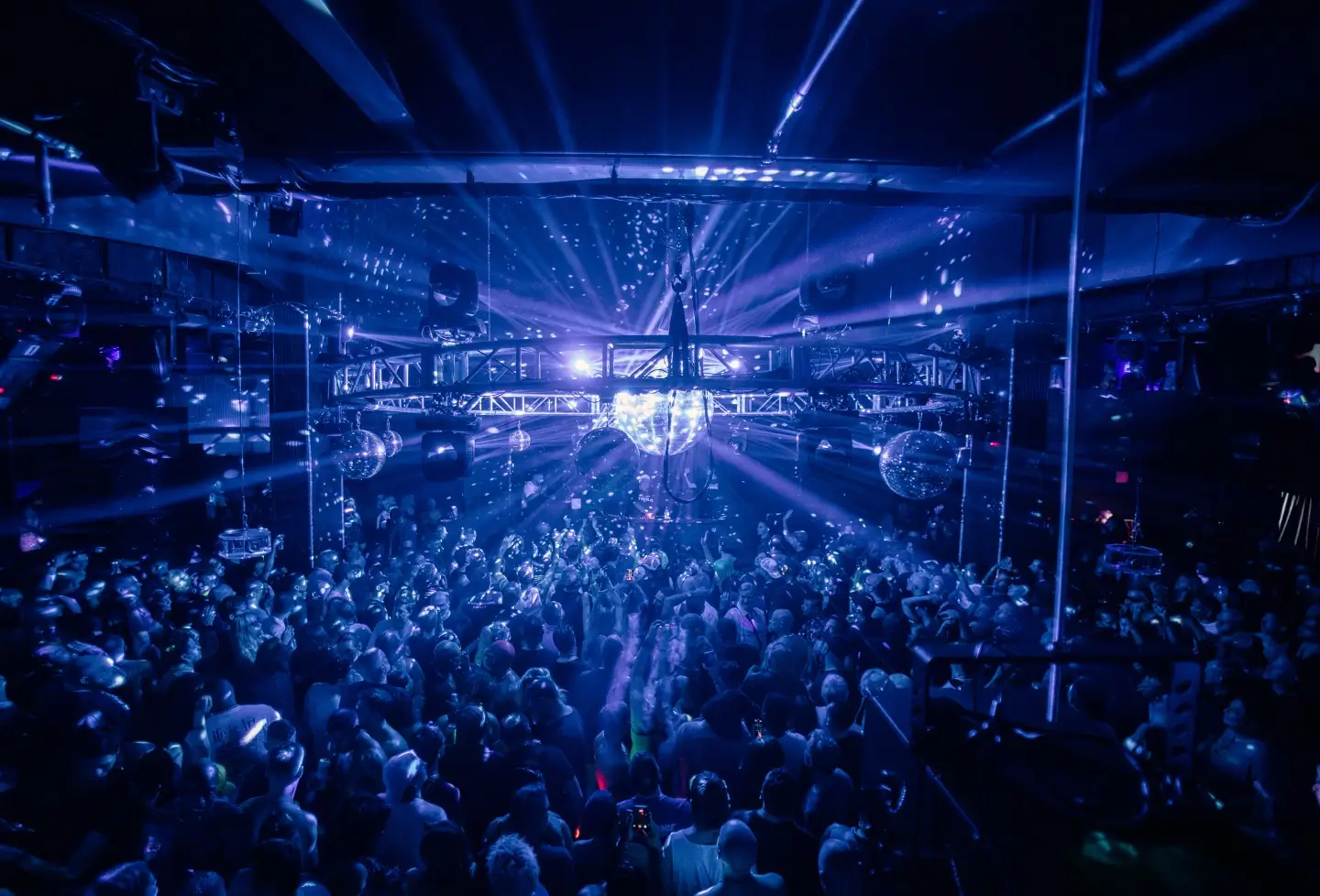
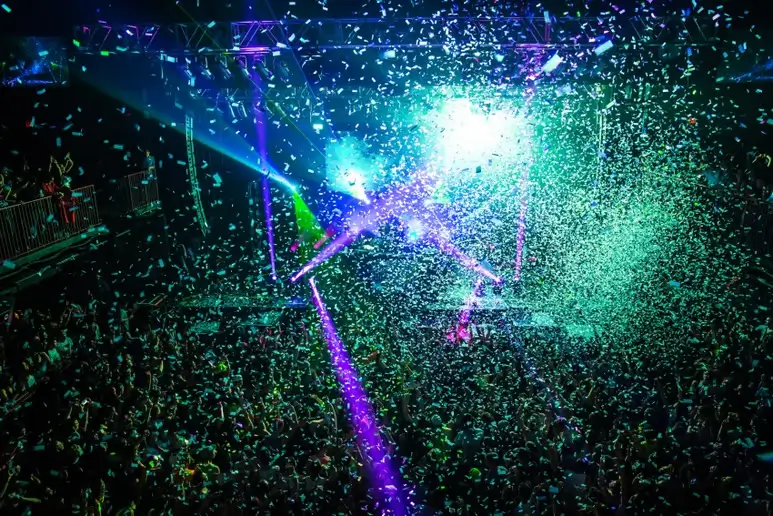
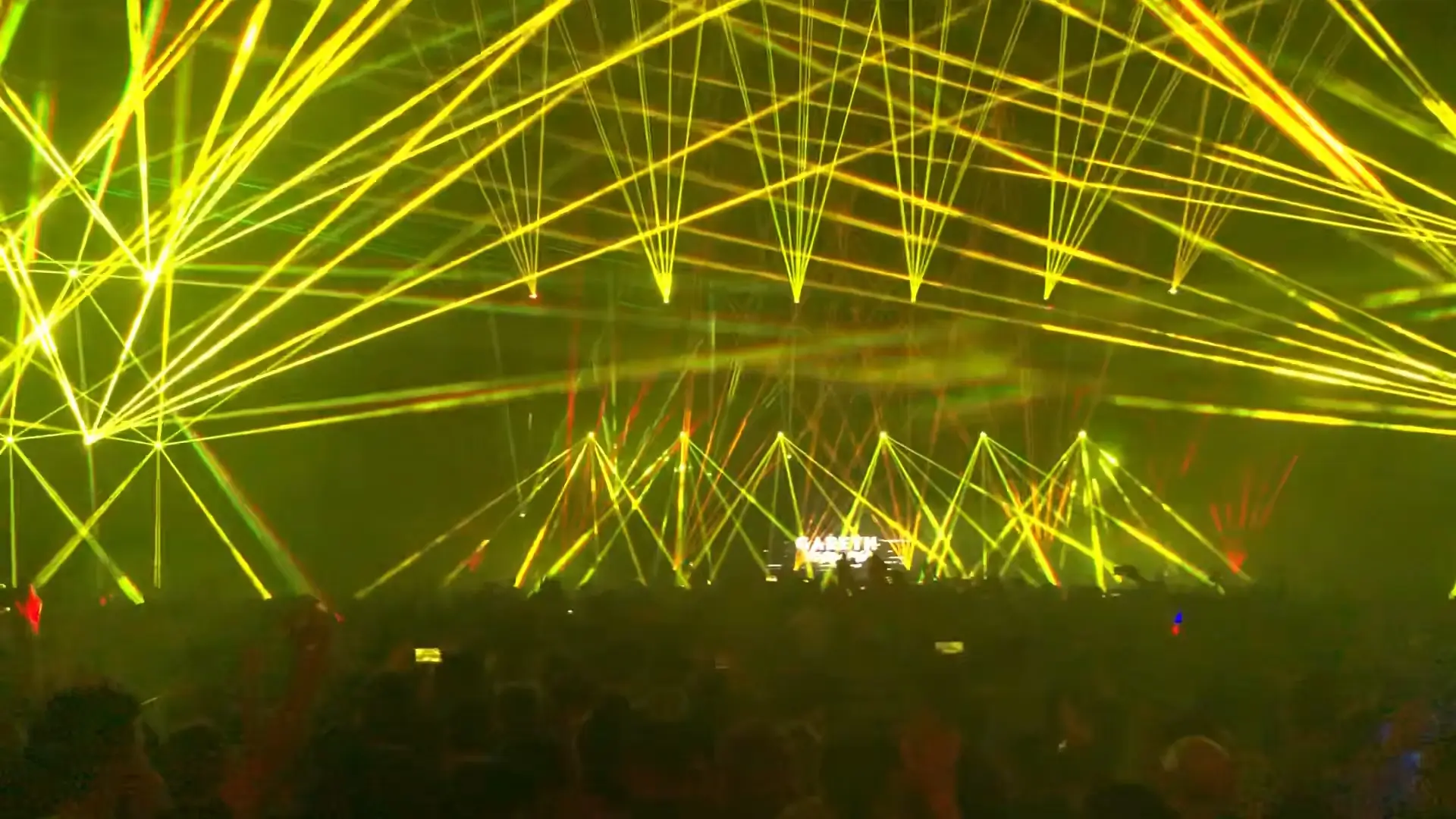
For one weekend in New York City, time seemed to bend. A name whispered through the city’s nightlife mythology — Twilo — returned, if only briefly, to remind the dance community what once defined the city’s club culture. Twenty-five years after its closure, the legendary venue reopened its doors for a special one-weekend event that drew longtime ravers, DJs, promoters, and younger clubgoers eager to glimpse a moment they had previously only heard about in stories.
The reopening was not simply a party. It was a reunion, a cultural checkpoint, and an emotional pilgrimage for a community that has watched New York nightlife evolve, fracture, and regenerate across decades. For those who danced at Twilo in the late 1990s and early 2000s, the event carried the weight of nostalgia. For newer generations, it offered a rare chance to experience the energy that once made the club one of the most influential dance venues in the world.
As the bass rolled across the floor once again, Twilo’s brief resurrection reminded the city of an era when nightlife felt limitless — when DJs were revered like rock stars and the dance floor was the center of a global cultural movement.
flow
When Twilo first opened its doors in 1995, New York City’s nightlife landscape was already vibrant, but the club quickly set itself apart. Located at 530 Hudson Street in Manhattan’s West Village, Twilo became synonymous with a particular kind of clubbing experience — one built around sound, music, and the DJ.
Unlike many venues that prioritized spectacle over substance, Twilo focused on the music. Its sound system was widely regarded as one of the best in the world at the time, engineered to deliver deep bass and crisp highs that allowed DJs to craft immersive sonic journeys lasting hours.
The club soon became famous for marathon DJ sets that stretched through the night and into the morning. Among the most celebrated residents were British progressive house duo Sasha and John Digweed, whose Friday night residency became legendary. Their extended sets — sometimes lasting eight hours or more — transformed Twilo into a temple of progressive house music.
Other world-class DJs also passed through the booth. Carl Cox delivered thunderous techno sets, while artists like Danny Tenaglia and Paul Oakenfold helped shape the club’s musical identity.
At its peak, Twilo was not just a club but a global destination. Travelers flew into New York specifically to experience its dance floor. Magazine profiles and underground dance publications praised the venue for its uncompromising approach to sound and programming.
In the late 1990s, Twilo stood alongside other nightlife landmarks such as Studio 54 and The Limelight in the city’s evolving club history, but its focus on DJ culture marked a turning point in how nightlife could function.
stir
Despite its global reputation, Twilo’s story ended abruptly.
In 2001, amid increasing pressure on New York nightlife venues, the club was forced to close. The early 2000s marked a difficult period for the city’s club culture as regulatory scrutiny intensified. Laws governing cabaret licenses, safety regulations, and nightlife operations placed new burdens on venues.
Twilo ultimately lost its operating license after disputes with city authorities, bringing an end to its six-year run. The closure sent shockwaves through the dance music community.
For many clubgoers, Twilo had been more than a nightlife venue — it was a sanctuary. Its closure symbolized the end of a particular moment in New York culture, one defined by underground music communities and all-night dance floors.
The early 2000s ushered in a different nightlife era. Bottle service lounges and celebrity-driven venues gradually replaced the music-first club model that Twilo had championed. While dance culture continued in warehouses, smaller venues, and later festivals, the spirit of Twilo remained difficult to replicate.
Over the years, its legacy grew stronger. DJs referenced it in interviews. Club veterans reminisced about its marathon sets. Younger electronic music fans encountered the club through stories, archived recordings, and photographs circulating online.
Twilo gradually became a mythic symbol of what New York nightlife once was.
play
When the announcement finally arrived that Twilo would reopen for a one-weekend event marking the anniversary of its closing, the response was immediate. Tickets sold quickly as longtime fans rushed to secure a place on the dance floor once more.
The revival was carefully designed to honor the club’s history rather than reinvent it. Organizers recreated elements of the original environment, including a powerful sound system and lighting reminiscent of the club’s late-1990s design.
For many attendees, the event felt like stepping into a memory.
Veterans of the original Twilo era recognized familiar faces in the crowd. Promoters, DJs, and nightlife figures who had been central to New York’s dance scene gathered again under the same sonic pulse that once defined their weekends.
Younger clubgoers, many born after Twilo closed, filled the room alongside them. They arrived curious about a venue that had become a legend in electronic music culture.
The dance floor became a bridge between generations.
gen
What made the Twilo reopening especially powerful was the mix of audiences it attracted.
Those who had experienced the club during its original run spoke about memories that felt almost cinematic: waiting in line on Hudson Street, feeling the first bass drop vibrate through the floor, losing track of time as sunrise approached.
For younger attendees, the weekend offered something equally valuable — a glimpse into a formative chapter of dance music history.
Electronic music culture has changed dramatically since the late 1990s. Festivals now dominate the landscape, with massive stages and global audiences. Social media shapes how nightlife spreads and evolves. DJs tour internationally with unprecedented reach.
Yet the core idea of club culture — the shared experience of music, sound, and movement — remains unchanged.
Twilo’s brief return highlighted that continuity.
The club’s influence can be seen in the structure of modern DJ culture itself. Extended sets, carefully curated sound systems, and music-focused programming have all become hallmarks of serious electronic music venues around the world.
Many of those ideas gained prominence during Twilo’s reign.
leg
The impression of Twilo on electronic music extends far beyond New York.
During its peak years, the club helped elevate DJs to international prominence. Its long-form sets encouraged experimentation, allowing artists to develop narratives through music rather than simply playing short, high-energy performances.
The club also played a key role in popularizing progressive house and techno in North America.
The Friday residency of Sasha and John Digweed became particularly influential. Recordings from their sets circulated widely, shaping the sound of club culture across continents.
At a time when dance music was still establishing its mainstream presence in the United States, Twilo functioned as a cultural anchor. It demonstrated that American audiences could embrace the kind of immersive clubbing experience already thriving in Europe.
Today, many of the world’s most respected dance venues follow a similar philosophy — prioritizing sound quality, DJ freedom, and the communal energy of the dance floor.
why
A quarter century after its closing, Twilo remains one of the most revered names in nightlife history.
Part of that legacy comes from timing. The club existed during a transformative moment for electronic music, when underground scenes were expanding into global movements.
But Twilo also represented something deeper: a vision of nightlife rooted in music rather than spectacle.
In an era where clubbing can sometimes feel dominated by branding, VIP culture, and social media visibility, Twilo’s story reminds people of a simpler idea — that the dance floor itself can be the main attraction.
The one-weekend reopening did not attempt to recreate the past permanently. Instead, it served as a reminder of how powerful a well-curated nightlife experience can be.
For a few nights, the music returned, the lights flashed, and the crowd moved as one again.
fin
As the final tracks faded and the event drew to a close, many attendees lingered on the dance floor, reluctant to leave.
The reopening had done something rare: it had reunited a city with a piece of its cultural memory.
New York nightlife will continue to evolve, as it always has. New venues will open, scenes will shift, and new generations will create their own legends.
But for one weekend, the pulse of Twilo returned — echoing through the city’s club culture like a bassline that never truly disappeared.
And in that moment, the myth became real again.


No comments yet.