Review: The Range Rover Classic, Reconsidered: Twisted’s TRRC

March 27, 2026

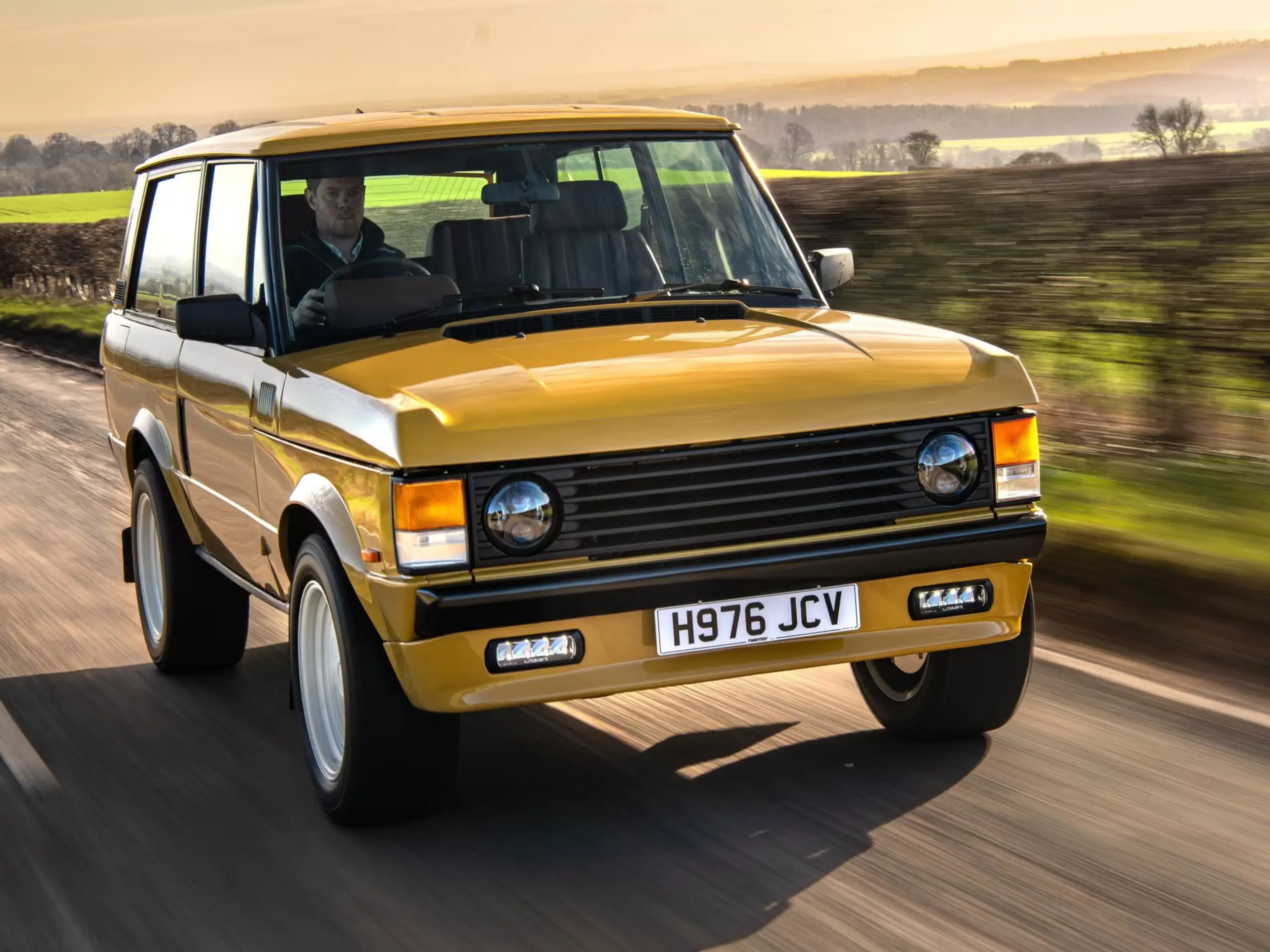
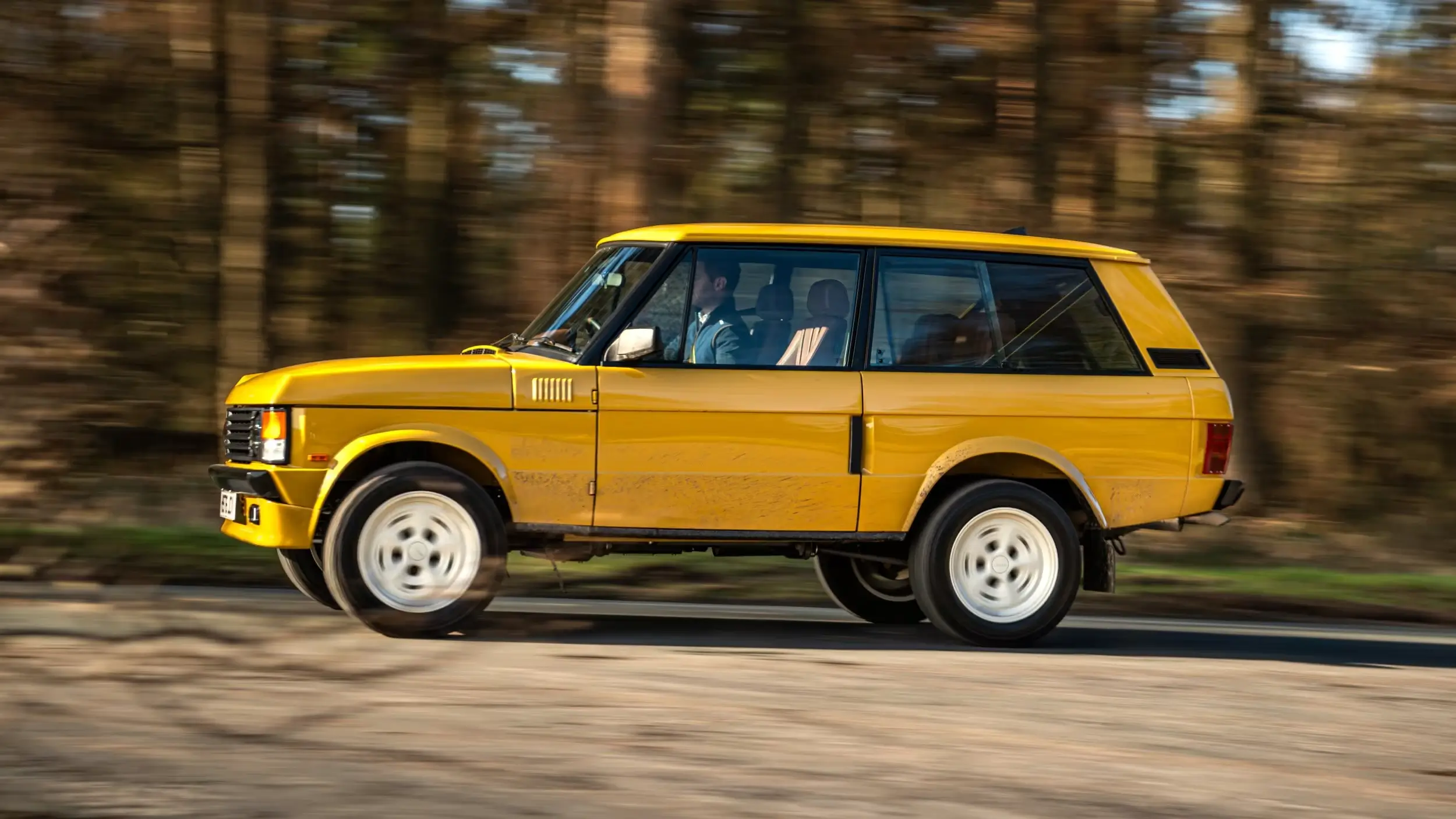
There are vehicles that define categories, and then there are those that quietly create entirely new ones. The original Range Rover Classic belongs to the latter. Introduced as a utilitarian haute vehicle long before that phrase had cultural traction, it set a template that the industry is still refining decades later. Its two-door silhouette, clean lines, and unforced presence gave it an identity that resisted ornament, relying instead on proportion and purpose.
Now, that legacy is being revisited through a distinctly modern lens by Twisted Automotive, whose TRRC—Twisted Range Rover Classic—positions itself not as a revival, but as a recalibration. This is not nostalgia dressed in contemporary materials. It is something more precise: a restomod that understands restraint as a form of rare.
frame
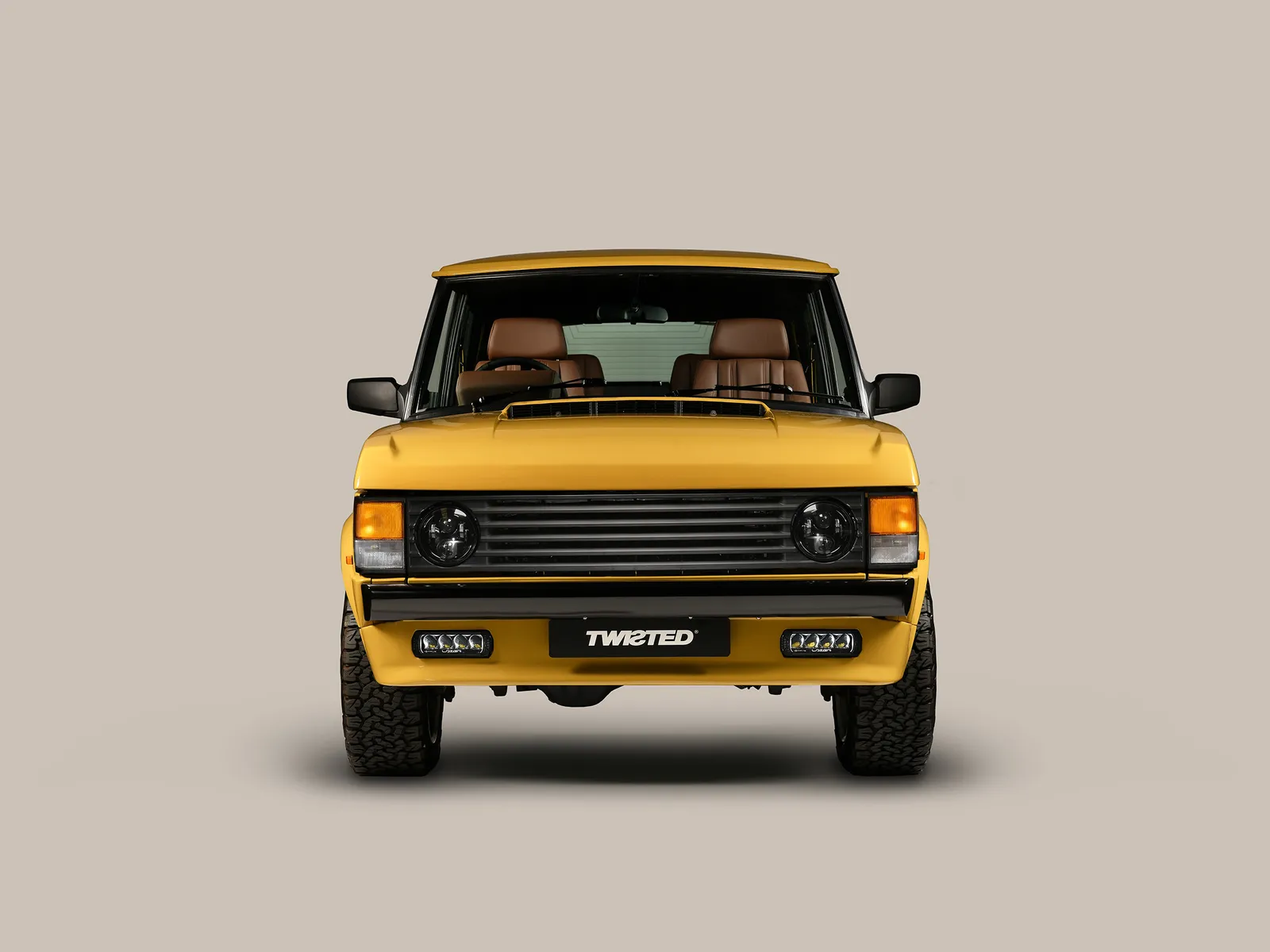
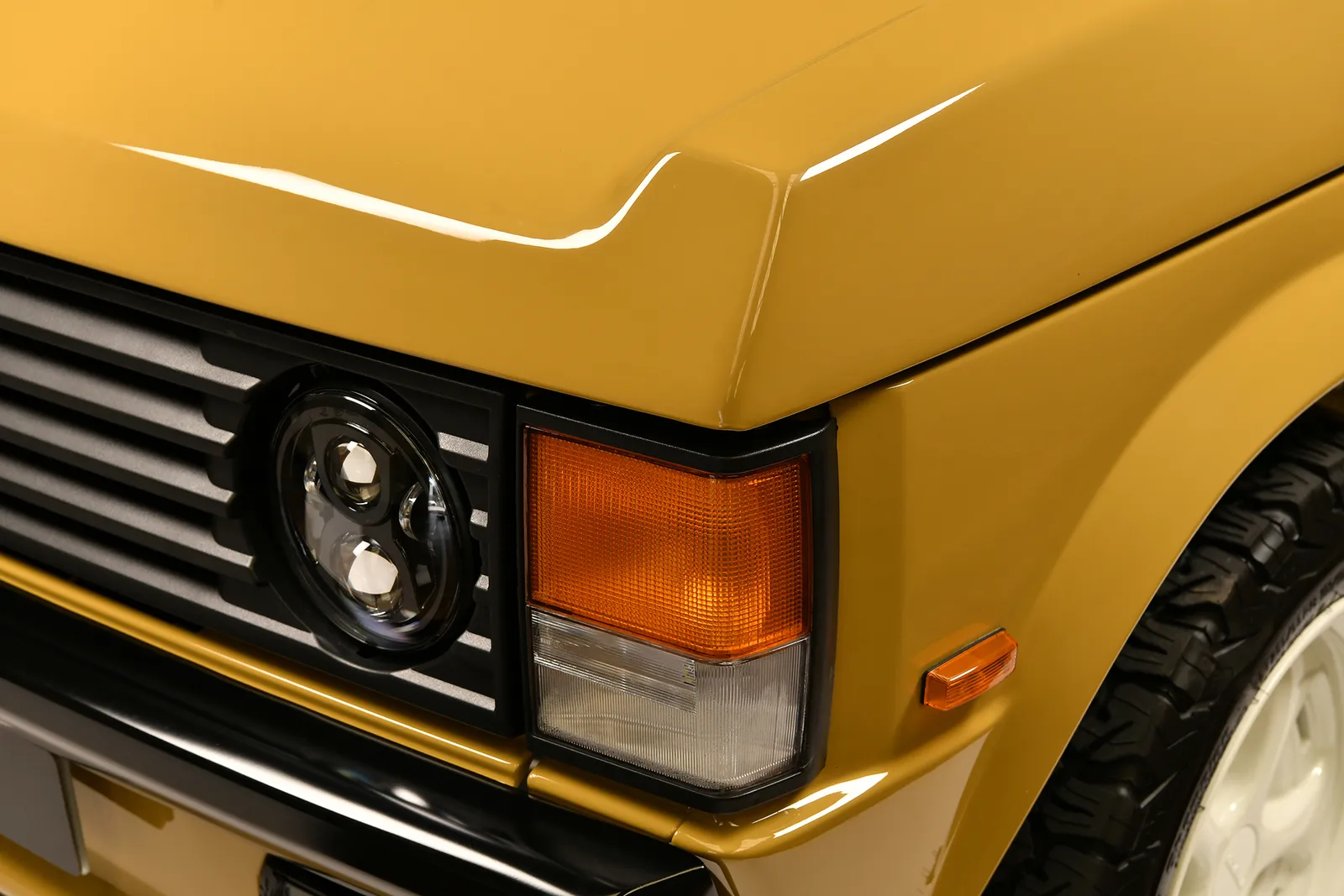
The two-door body remains intact, its proportions preserved with a near-archival level of respect. There is no attempt to over-modernize the silhouette, no exaggerated reinterpretation of what made the original so enduring. Instead, the approach is surgical. Panel gaps are tightened, surfaces refined, and finishes elevated without disrupting the visual memory of the vehicle.
This philosophy echoes a broader shift in high-end automotive restoration. Where early restomods leaned toward excess—bigger wheels, louder finishes, visible performance cues—today’s most compelling examples operate in quieter territory. The TRRC belongs firmly in this latter category. It reads as original at a glance, but the longer you look, the more it reveals itself as something altogether more considered.
imagine
Underneath its familiar shell, however, the TRRC diverges meaningfully from its origins. Twisted’s reputation has long been tied to performance upgrades for classic Land Rovers, particularly Defenders, and that expertise translates directly here. The chassis is reinforced and reworked, designed to handle both modern driving expectations and increased power outputs.
While specific configurations vary—each TRRC is bespoke—the engineering direction is consistent. Suspension systems are upgraded for improved ride quality without sacrificing the vehicle’s off-road capability. Steering is sharpened, braking systems modernized, and drivetrain components refined to deliver a driving experience that feels contemporary without becoming disconnected from the vehicle’s roots.
The result is not a sports SUV in the conventional sense, but something more nuanced. The TRRC drives with a sense of composure that the original, for all its charm, could never quite achieve. It remains grounded, deliberate, and capable, but now operates within a framework that meets modern expectations of control and responsiveness.
stir
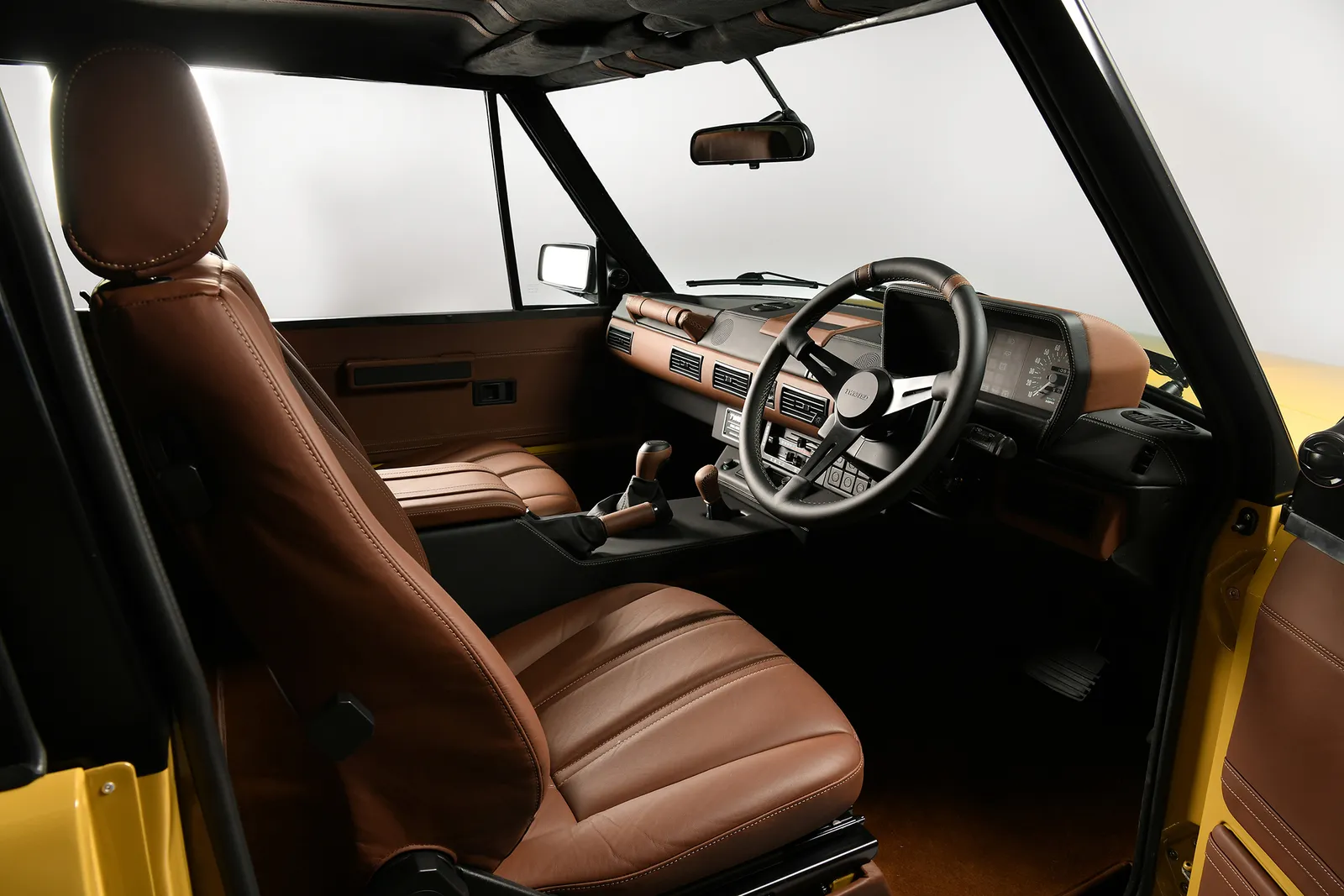
If the exterior is about preservation, the interior is where Twisted allows itself a greater degree of reinterpretation. Yet even here, the approach avoids spectacle. Instead of overwhelming the cabin with technology or overt luxury cues, the design focuses on materiality and craft.
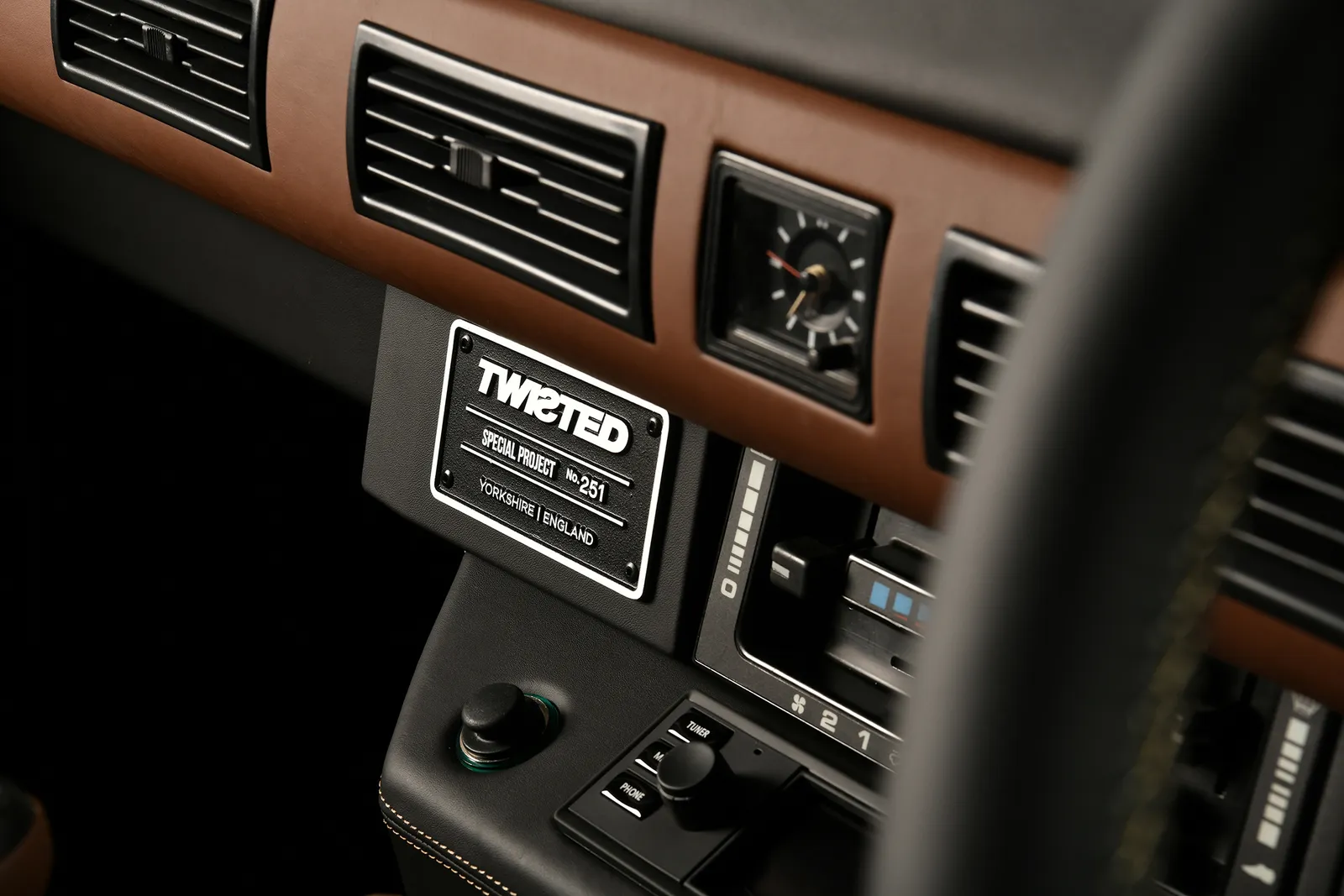
Leather upholstery is reimagined with contemporary textures and finishes, often extending across surfaces that were previously utilitarian. Switchgear is updated subtly, integrating modern functionality without disrupting the visual coherence of the dashboard. Sound systems are discreetly embedded, climate control refined, and seating ergonomics significantly improved.
What emerges is an interior that feels less like a retrofit and more like an evolution. It acknowledges the simplicity of the original while introducing a level of comfort and detail that aligns with current expectations of luxury. Importantly, it avoids the trap of over-digitization. Screens, where present, are integrated rather than dominant, allowing the tactile qualities of the cabin to remain central.
bespoke
There is a discipline to the TRRC that sets it apart from many contemporary restomods. It does not attempt to outshine the original through contrast. Instead, it operates within the same visual language, refining it incrementally until the cumulative effect becomes transformative.
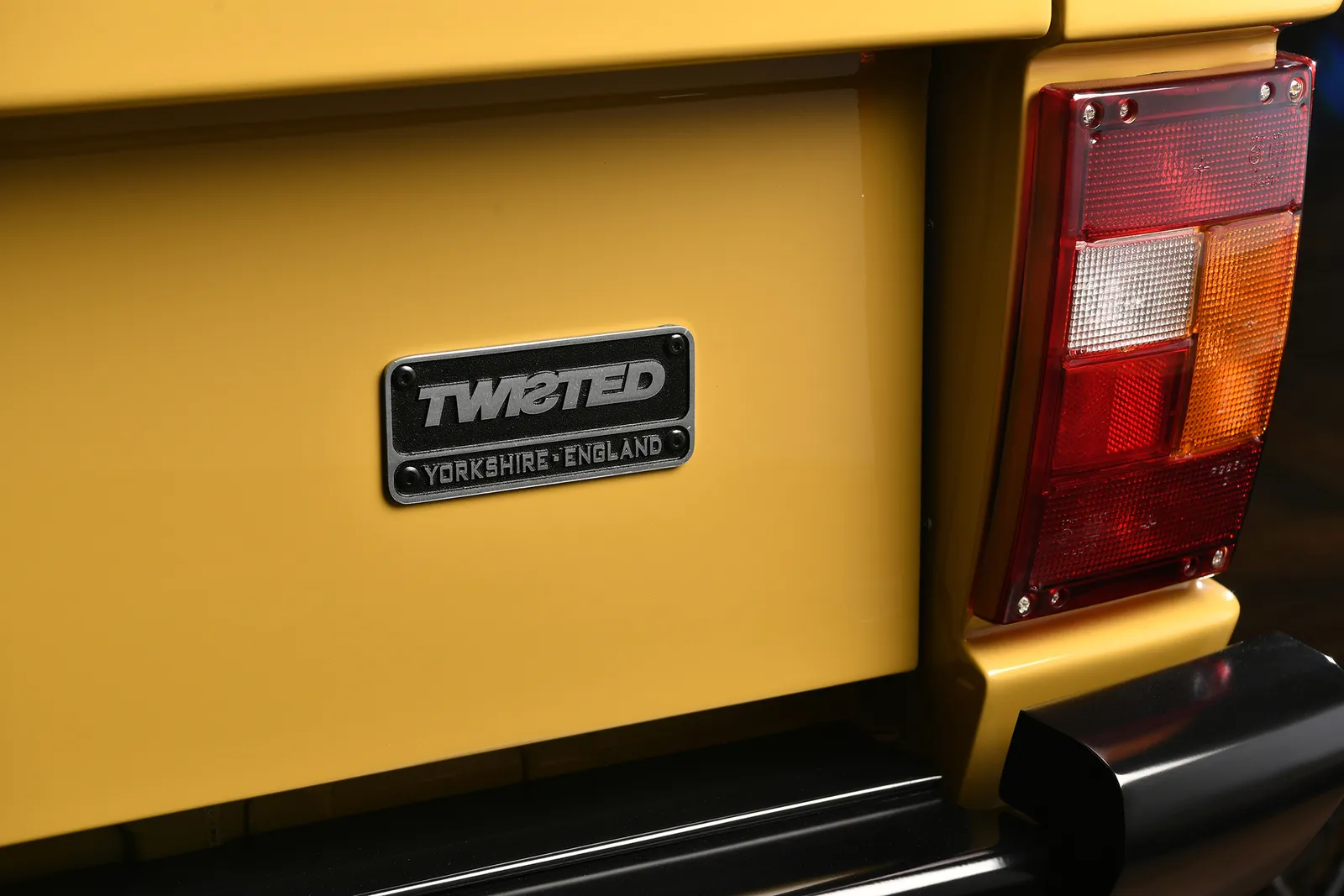
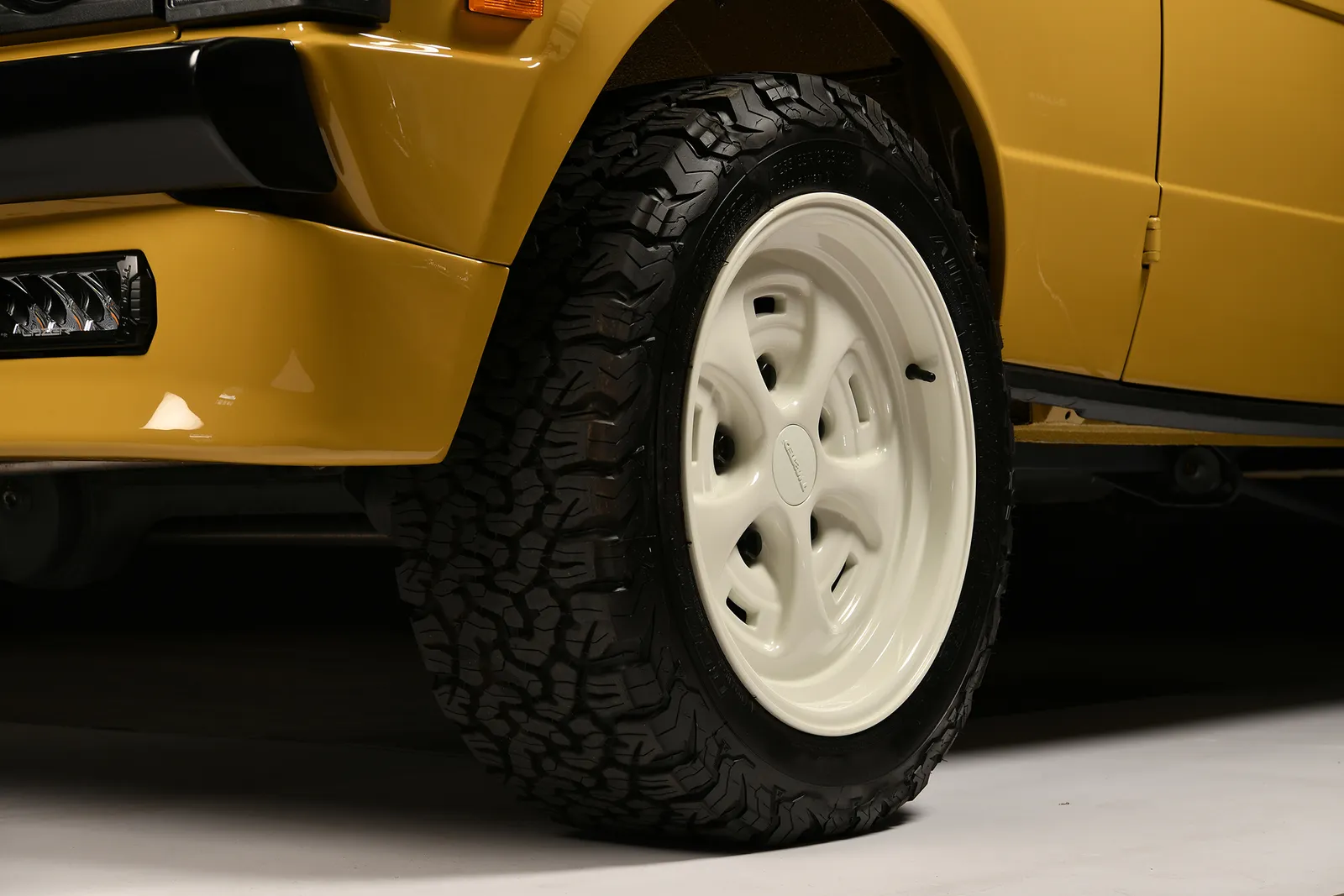
This restraint is particularly evident in the vehicle’s detailing. Badging is minimal, often limited to subtle references to Twisted’s involvement. Color palettes tend toward the understated, favoring muted tones that emphasize form over decoration. Even the choice of wheels reflects this philosophy, avoiding oversized designs in favor of proportions that feel appropriate to the original architecture.
In a market increasingly defined by maximalism, this approach reads as both confident and deliberate. It suggests an understanding that true luxury is not about addition, but about precision.
flow
No two TRRC builds are identical. Twisted’s model is inherently bespoke, allowing clients to specify everything from exterior finishes to interior materials and performance configurations. This level of customization positions the TRRC less as a product and more as a collaboration.
Clients are not simply selecting options; they are participating in the design process. This extends to details that might otherwise be overlooked: stitching patterns, hardware finishes, even the tuning of suspension systems to suit specific driving preferences.
This bespoke framework aligns with broader trends in luxury consumption, where individuality is increasingly valued over uniformity. In this context, the TRRC becomes a reflection not just of Twisted’s capabilities, but of the owner’s sensibilities.
relev
The resurgence of interest in vehicles like the Range Rover Classic is not incidental. It reflects a broader cultural movement toward objects that carry both history and adaptability. In an era defined by rapid technological change, there is a growing appreciation for designs that have proven their relevance over time.
The TRRC taps directly into this sentiment. It offers the familiarity of a recognized form, combined with the functionality required for contemporary use. It is, in many ways, a response to the limitations of both extremes: the impracticality of unmodified classics and the disposability of many modern vehicles.
By bridging this gap, Twisted positions the TRRC as something more than a vehicle. It becomes a statement about continuity—about the possibility of carrying forward what works while refining what does not.
xp
To drive a TRRC is to experience a dialogue between past and present. The elevated driving position, expansive visibility, and commanding presence remain intact. These are defining characteristics of the original, and Twisted wisely leaves them untouched.
What changes is the underlying behavior. The vehicle feels more stable at speed, more predictable in its responses, and significantly more comfortable over long distances. Noise levels are reduced, vibrations minimized, and overall refinement elevated to a level that aligns with modern expectations.
Yet, crucially, it does not feel sanitized. There is still a sense of mechanical connection, a reminder that this is a vehicle with origins in a different era. This balance—between refinement and authenticity—is perhaps the TRRC’s most significant achievement.
position
The restomod market has expanded rapidly in recent years, encompassing everything from classic sports cars to off-road vehicles. Within this landscape, the TRRC occupies a distinct position.
It is not the most aggressive reinterpretation, nor the most technologically advanced. Instead, it distinguishes itself through coherence. Every element of the vehicle, from its exterior design to its mechanical upgrades, aligns with a clear philosophy.
This coherence is what allows the TRRC to stand apart. It does not rely on novelty or spectacle. Instead, it builds its identity through consistency, offering a vision of what the Range Rover Classic might have become had it evolved along a more deliberate path.
sustainable
There is also an implicit sustainability narrative within projects like the TRRC. By restoring and upgrading existing vehicles, Twisted extends their lifespan significantly, reducing the need for entirely new production.
While restomods are not typically framed within environmental discourse, they nonetheless represent a form of resource efficiency. They preserve materials, reduce waste, and emphasize longevity over disposability.
In this sense, the TRRC aligns with a growing recognition that sustainability can take multiple forms. It is not solely about new technologies, but also about rethinking how existing resources are used.
fwd
The TRRC raises broader questions about the role of heritage in contemporary design. How do you honor an original without becoming constrained by it? How do you introduce innovation without erasing identity?
Twisted’s answer is neither radical nor conservative. It is measured. It suggests that the most meaningful evolution occurs not through dramatic reinvention, but through incremental refinement.
This approach may not generate immediate spectacle, but it offers something more enduring. It creates objects that feel considered rather than constructed, coherent rather than assembled.
fin
The Twisted TRRC is not a vehicle that demands attention through excess. It does not rely on dramatic styling or overt performance claims. Instead, it operates in a quieter space, where value is derived from precision, restraint, and coherence.
By revisiting the Range Rover Classic with this mindset, Twisted has created something that feels both familiar and new. It respects the original without being bound by it, introducing improvements that enhance rather than overshadow.
In a market saturated with reinterpretations, the TRRC stands out not because it is louder, but because it is more considered. It represents a different kind of haute—one that prioritizes thoughtfulness over spectacle, and continuity over disruption.
For those who understand the significance of the original, and who value the subtlety of its evolution, the TRRC offers something rare: a vehicle that feels as if it has always existed, even as it quietly redefines what that existence can be.