UNIQLO Launches a New Collection With Roger Federer: Precision, Rewritten

March 20, 2026
authority
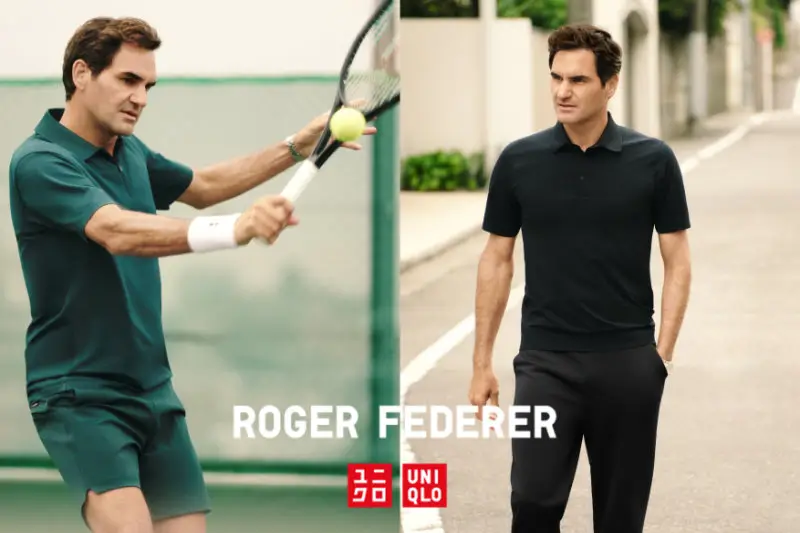
There is a particular kind of authority that does not announce itself. It does not rely on spectacle, nor does it chase trend cycles with urgency. Instead, it refines, iterates, and perfects. This is the space that UNIQLO and Roger Federer have come to occupy—a collaboration that, since its inception, has redefined what sportswear can be when stripped of excess and rebuilt through discipline.
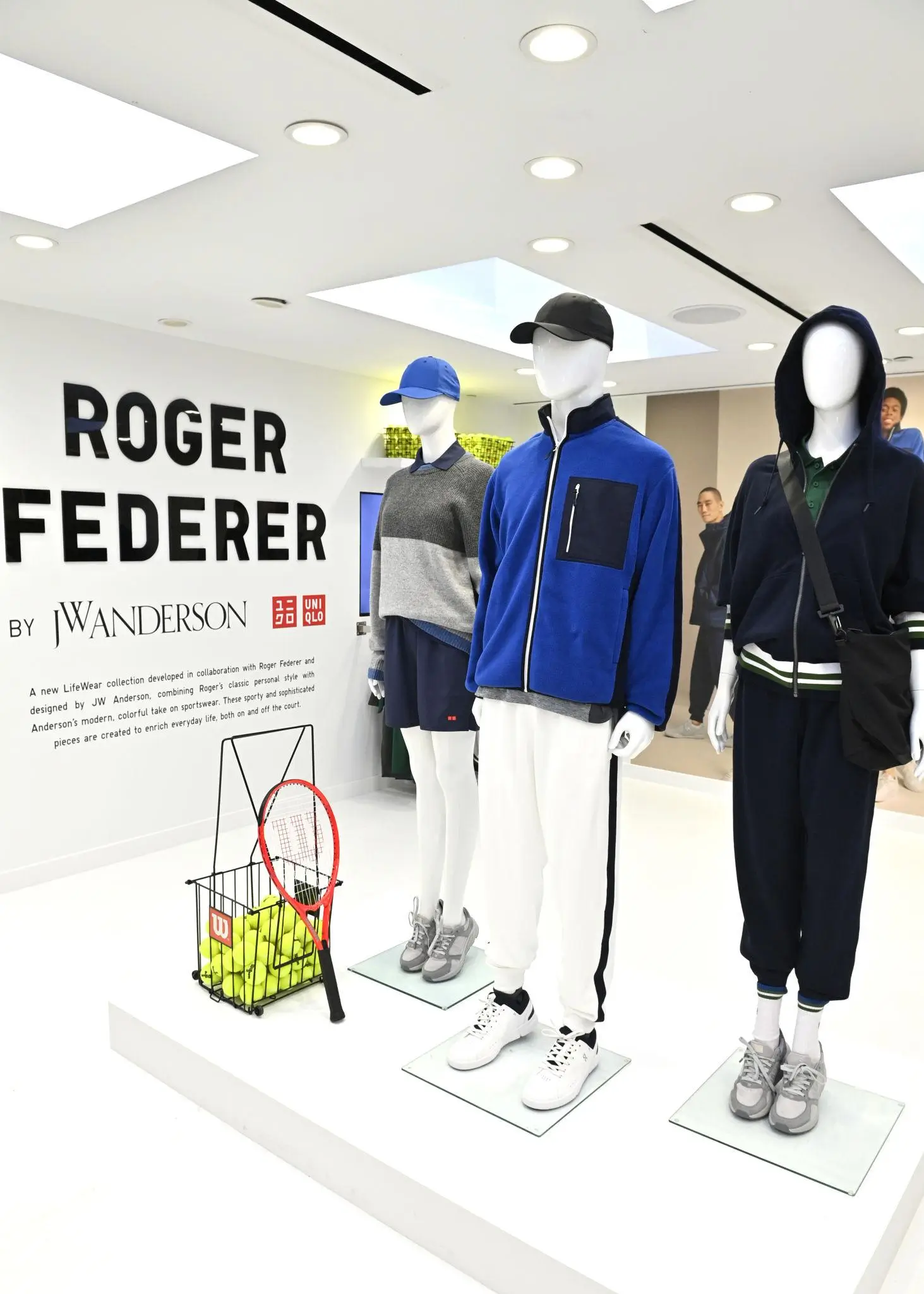
With the launch of the Spring/Summer 2026 collection, that philosophy reaches a new level of clarity. The partnership between UNIQLO and Federer—once a surprising departure from the dominance of performance-first athletic brands—has now matured into a fully realized design language. One that exists somewhere between the tennis court, the city street, and the quiet architecture of everyday life.
The result is not simply another capsule. It is a system of clothing. A modular wardrobe for movement, for travel, for continuity.
View this post on Instagram
phil
At the core of the Spring/Summer 2026 collection is a simple premise: life does not happen in static moments. It unfolds in transitions. From court to street. From morning routine to late-night return. From performance to rest.
The collection is explicitly “made for a high-performance life, lived in constant motion,” a phrase that encapsulates both Federer’s personal ethos and UNIQLO’s broader LifeWear philosophy.
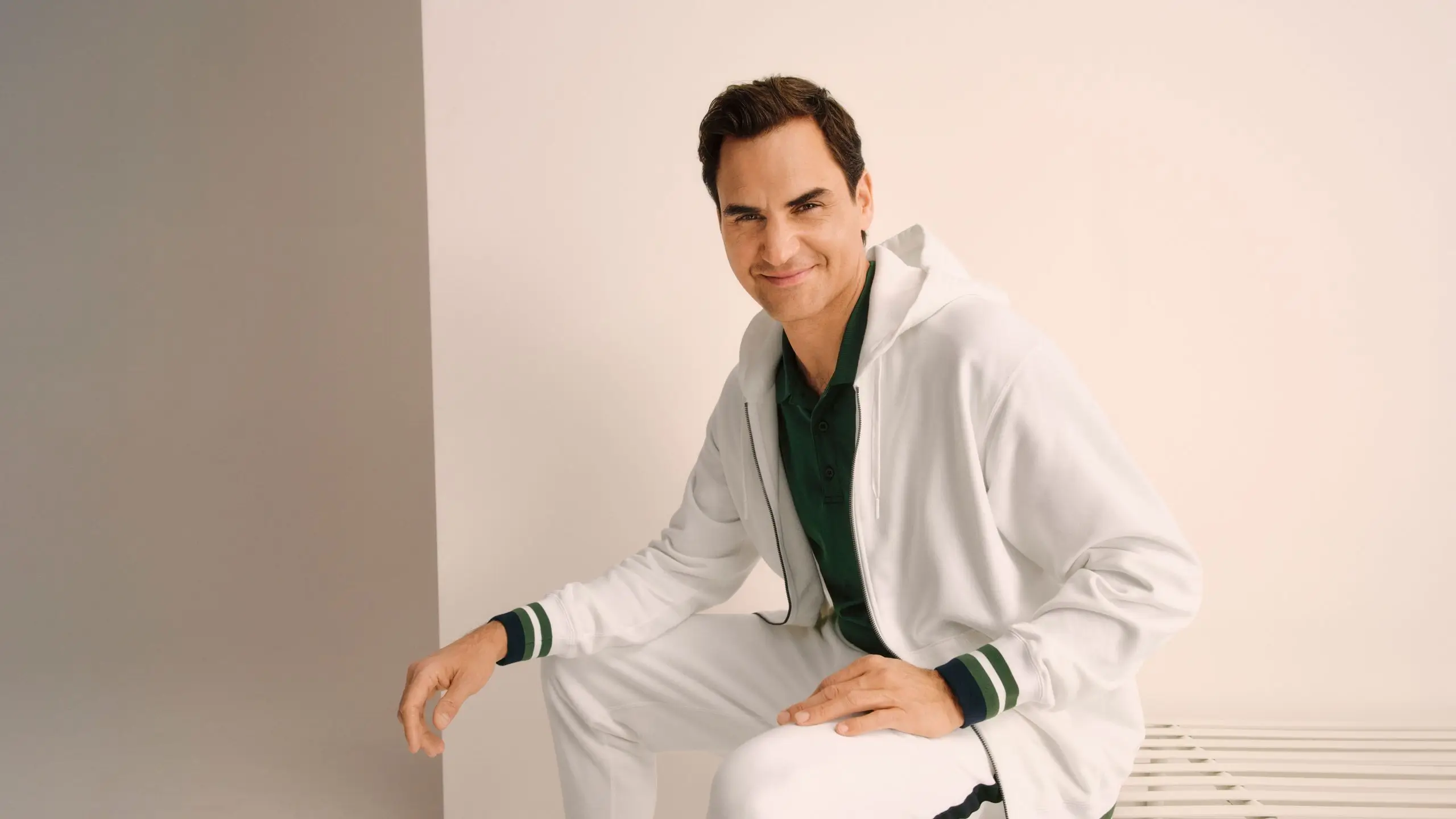
What makes this iteration particularly compelling is its refusal to distinguish too sharply between sport and lifestyle. Instead, it dissolves that boundary entirely. A polo shirt is no longer just a tennis garment; it becomes a daily uniform. A hoodie is not relegated to downtime; it is engineered with the same intentionality as performance gear.
This is where Federer’s influence is most visible. His legacy was never just about winning—it was about how he moved, how he carried himself, how effortlessness became part of the spectacle. That sensibility now informs every seam, every silhouette.
clare waight keller
The continued involvement of Clare Waight Keller as UNIQLO’s creative director is crucial. Known for her tenure at Givenchy and her ability to merge high fashion with pragmatic design, Keller brings a structural intelligence to the collection.
Her role is not to dramatize Federer’s image but to translate it into garments that function across contexts. The collection between Keller and Federer is less about branding and more about alignment—two distinct perspectives converging on a shared understanding of refinement.
The garments reflect this balance. Tailoring is softened without losing precision. Athletic fabrics are elevated without becoming ornamental. The result is a wardrobe that feels deliberate yet unforced.
mat
UNIQLO’s technical fabric innovations remain central to the collection’s identity. But rather than presenting them as technological novelties, the brand integrates them seamlessly into the user experience.
Key fabric systems include:
-
DRY-EX: Engineered with micro-perforations for breathability and moisture control
-
AIRism Cotton: A hybrid fabric that merges softness with cooling functionality
-
Ultra Stretch: Allowing unrestricted movement without compromising structure
-
3D Knit construction: Seamless garments designed for ergonomic fit and comfort
These materials are not simply performance features—they are architectural components. The DRY-EX polo, for instance, incorporates mapped ventilation zones that echo the geometry of the UNIQLO logo itself, embedding branding into function rather than surface design.
Similarly, the 3D knit hoodie eliminates unnecessary seams, resulting in a silhouette that feels both sculptural and fluid.
restraint
If there is one defining characteristic of the collection, it is restraint. In an era where sportswear often leans into maximalism—bold graphics, aggressive branding, exaggerated proportions—UNIQLO and Federer move in the opposite direction.
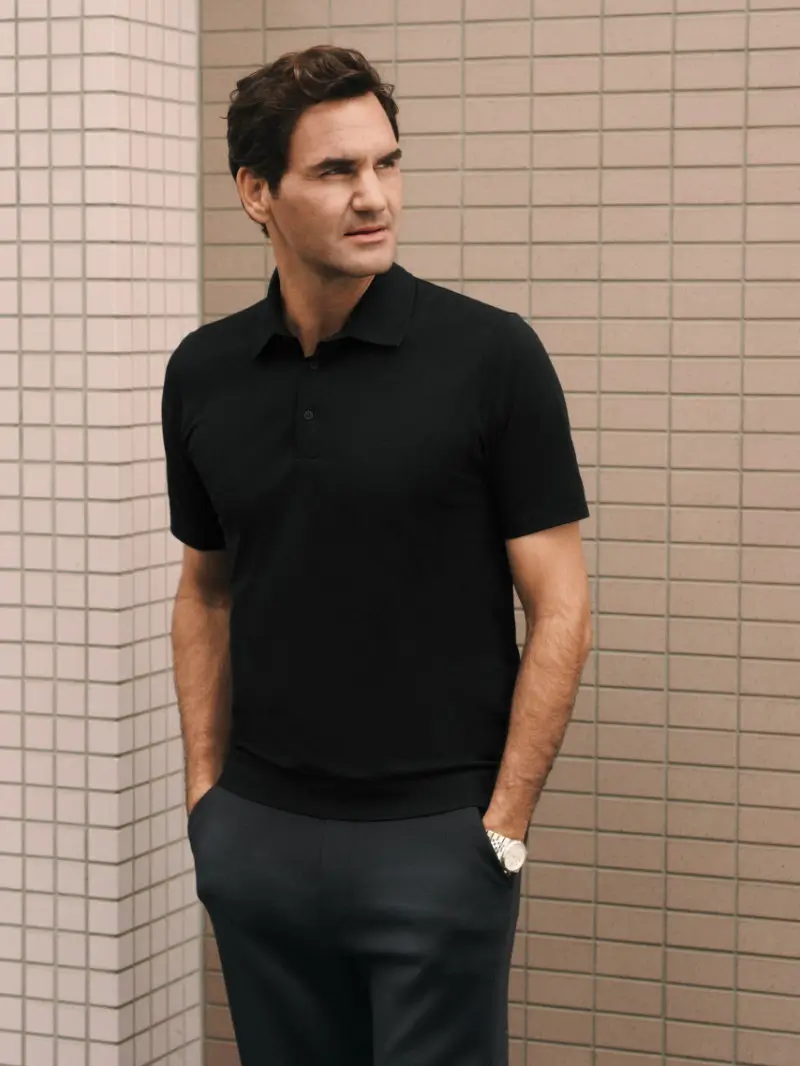
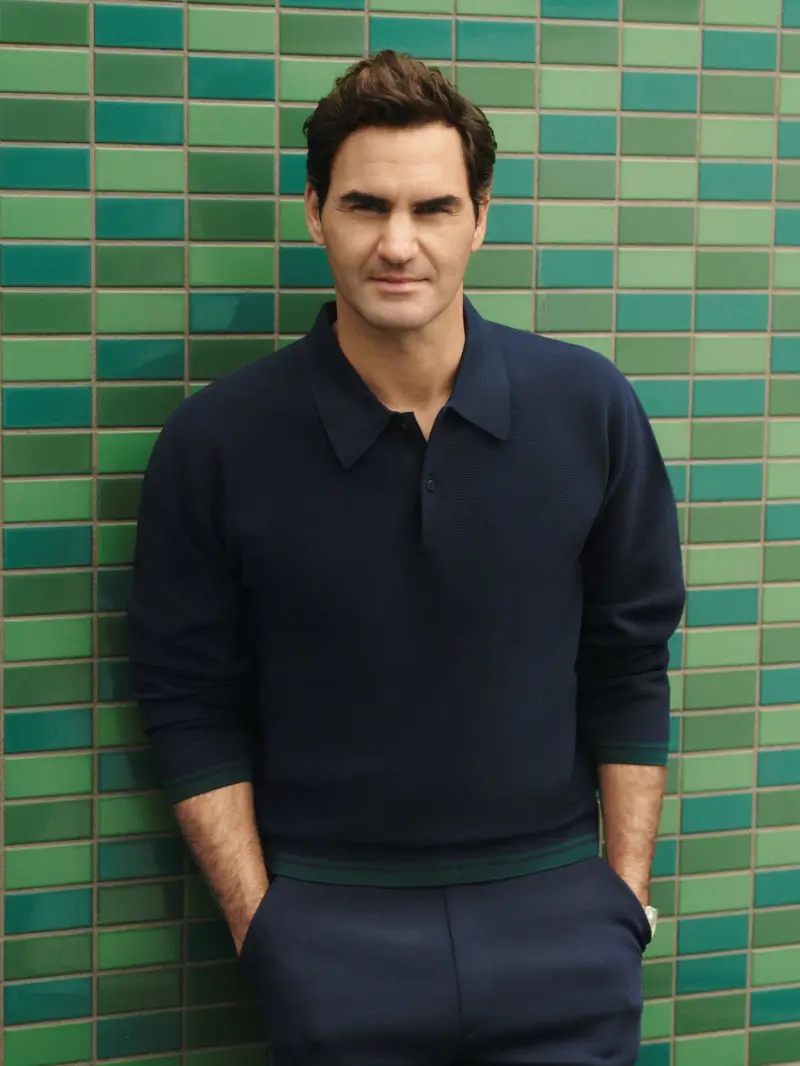
The color palette is deliberately understated: navy, black, white, and muted neutrals dominate.
This is not minimalism for its own sake. It is a calculated decision that allows the garments to function as a cohesive system. Each piece can be layered, combined, and recontextualized without friction.
Silhouettes follow a similar logic:
-
Polos are tailored but not restrictive
-
Shorts and trousers are tapered yet relaxed
-
Hoodies maintain structure while allowing natural movement
The effect is subtle but powerful. These are clothes that do not demand attention but reward it.
arch
DRY-EX polo shirts
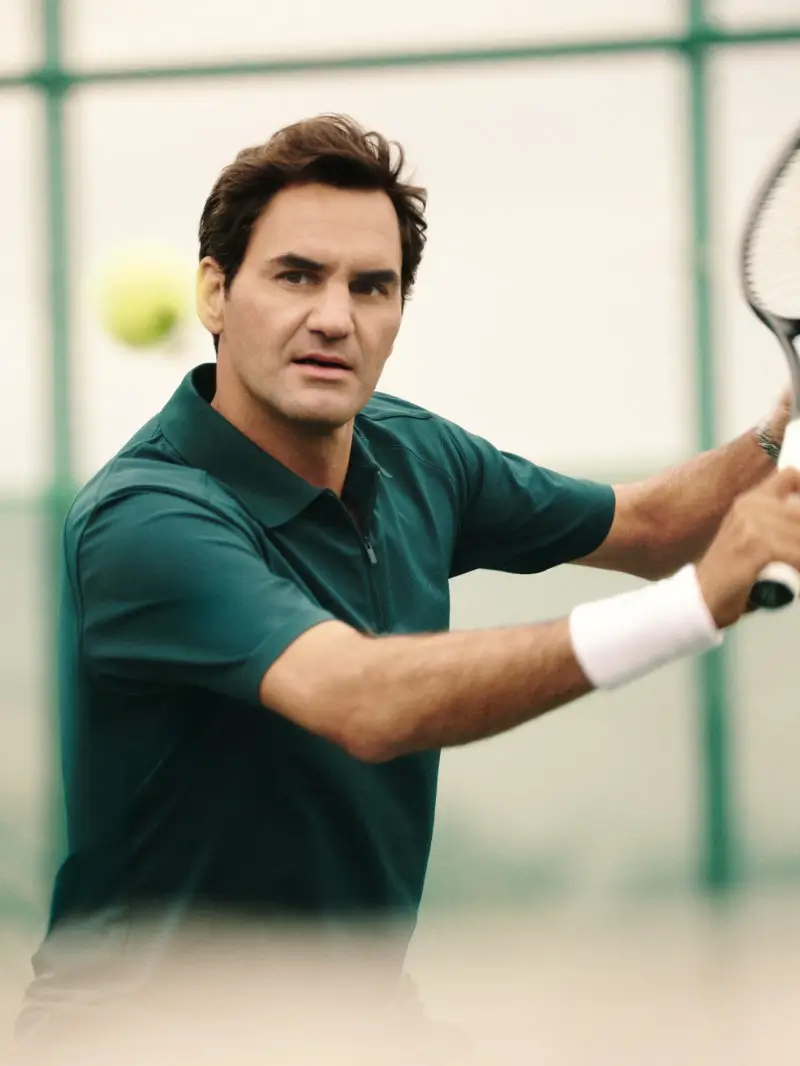
The cornerstone of the collection, these polos represent the intersection of performance and elegance. Breathable, lightweight, and structured, they function equally well on the court and in urban environments.
AIRism cotton tees
A reinterpretation of the everyday T-shirt, these pieces elevate a basic garment through fabric innovation and refined detailing.
ultra stretch shorts and trousers
Designed for versatility, these bottoms transition seamlessly from active use to casual wear, emphasizing mobility and comfort.
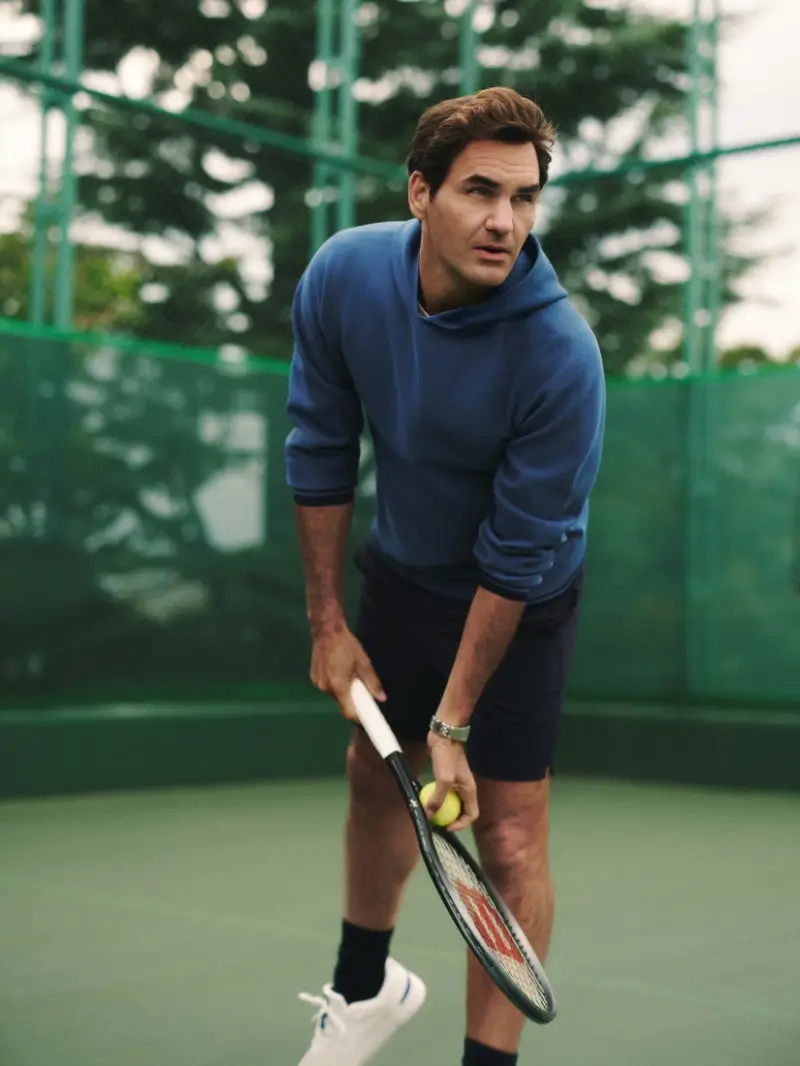
3D knit hoodie
Perhaps the most conceptually advanced piece in the collection, the hoodie embodies UNIQLO’s commitment to seamless construction and ergonomic design.
Each item contributes to a larger narrative: clothing as a system rather than isolated statements.
roll
The Spring/Summer 2026 collection arrives with a carefully staged release. Early items have already begun appearing, with a broader rollout scheduled across online platforms and select stores.
An official Instagram campaign reinforces the launch, emphasizing the duality of Federer’s style—“on and off the court”—as a guiding theme.
This phased approach mirrors the collection’s philosophy. It is not about a single moment of hype but about sustained presence.
fed
Roger Federer’s transition from athlete to cultural figure has been gradual but intentional. His partnership with UNIQLO, which began in 2018, was always positioned as more than a sponsorship—it was a long-term connector rooted in shared values.
Over time, Federer has become increasingly involved in the design process, shaping collections that reflect his personal aesthetic. His influence is evident not only in the garments themselves but in the overall direction of the line.
He represents a particular kind of masculinity—one defined by composure, precision, and understated confidence. This identity is woven into the fabric of the collection.
sum
UNIQLO’s concept of LifeWear has often been misunderstood as simplicity. In reality, it is a complex system of design principles centered on usability, longevity, and adaptability.
The Federer collection exemplifies this philosophy at its highest level. It demonstrates that simplicity is not the absence of design but the result of rigorous refinement.
Every detail—from fabric selection to seam placement—is considered in relation to the wearer’s experience. The goal is not to impress but to integrate.