Supreme x Ghostface Killah Collection Arrives March 26

March 25, 2026
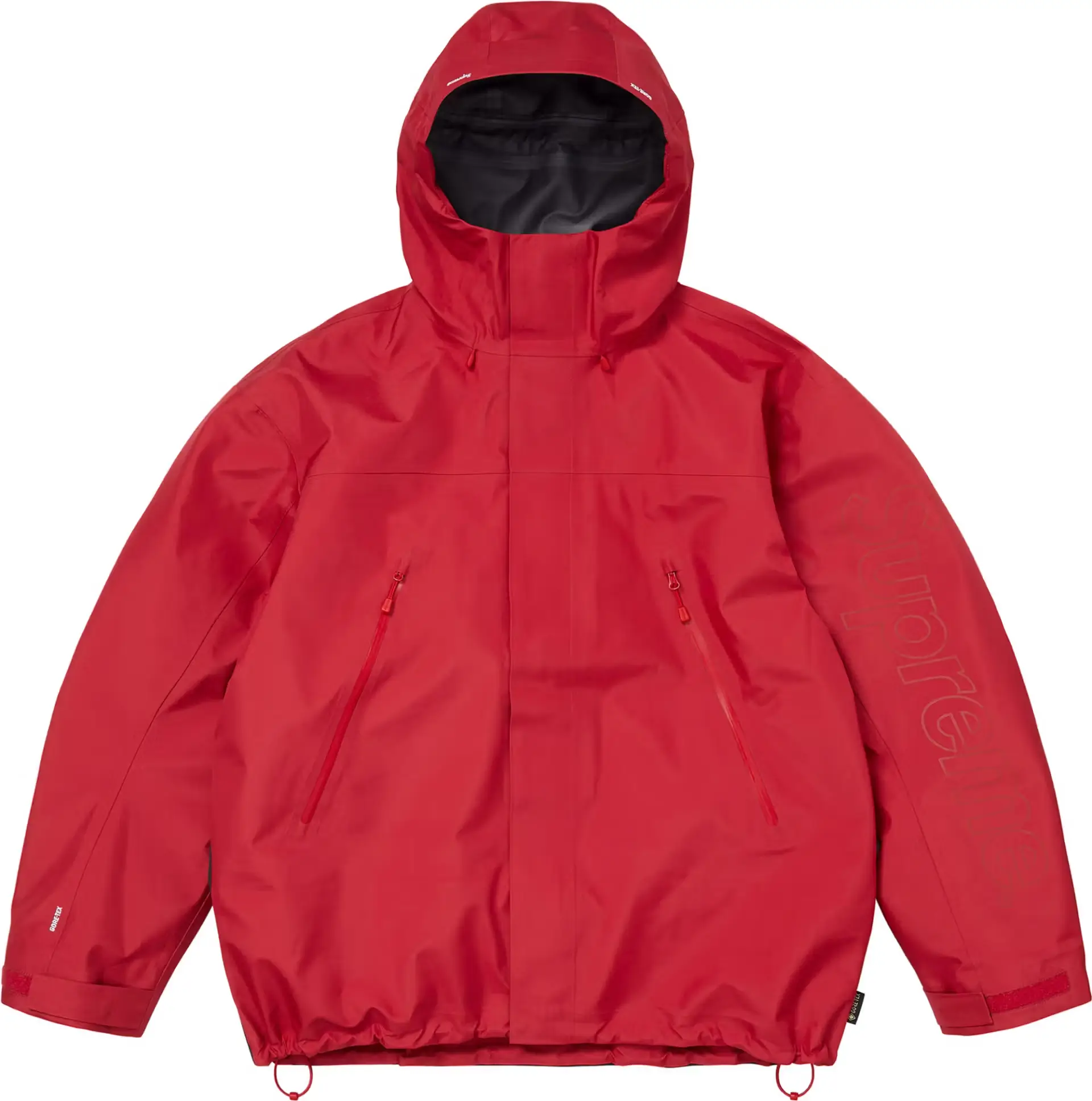
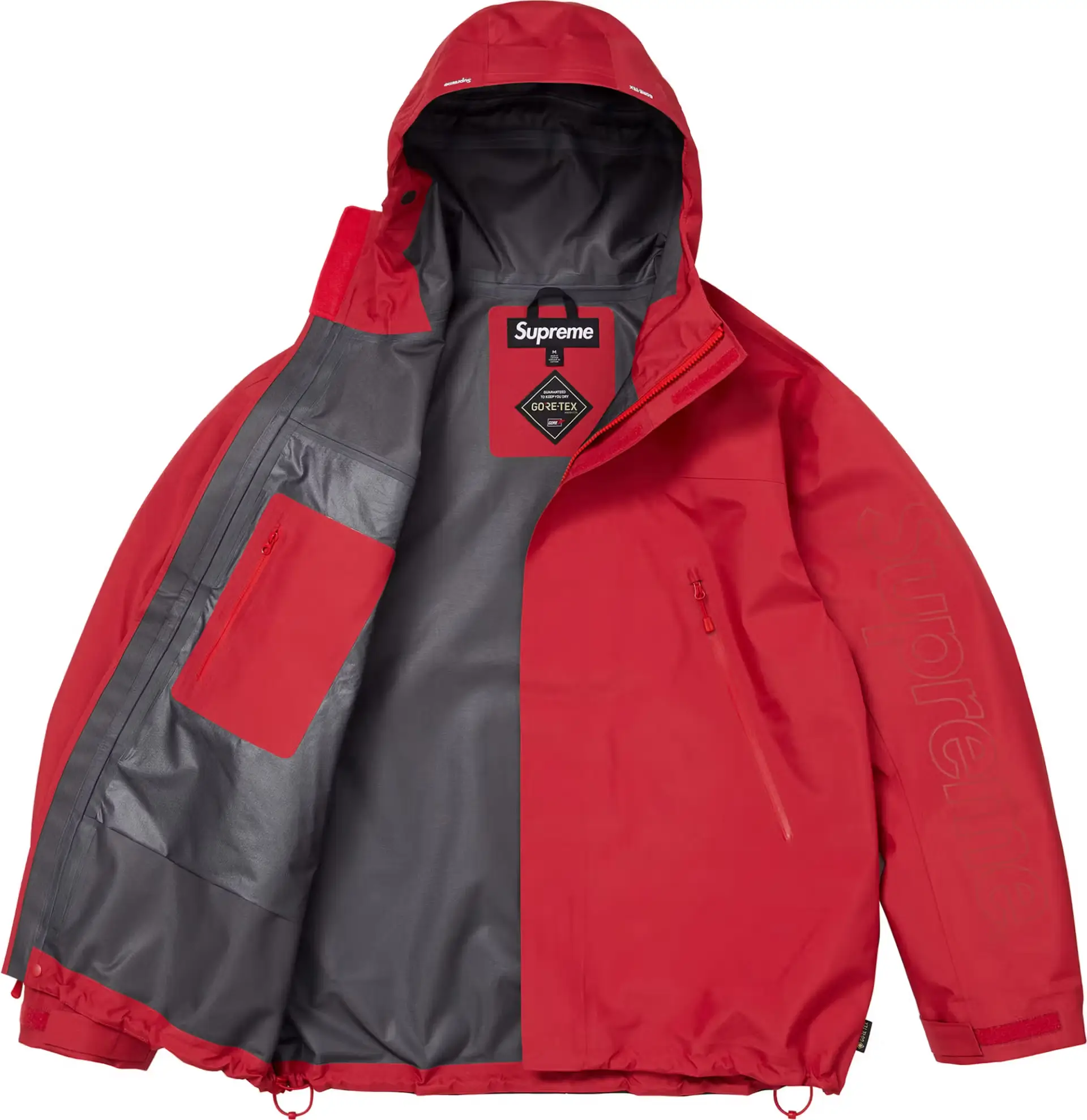
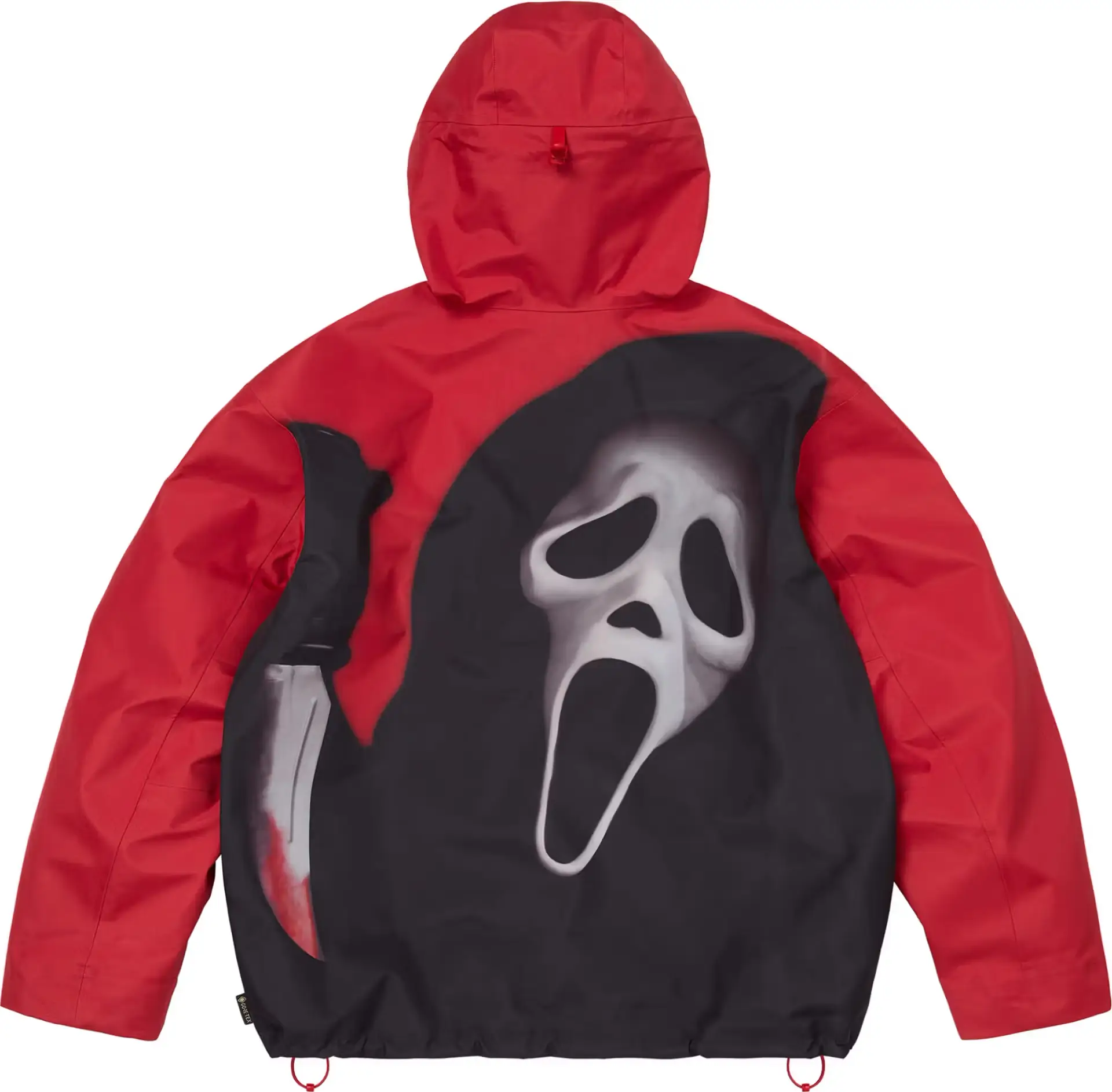
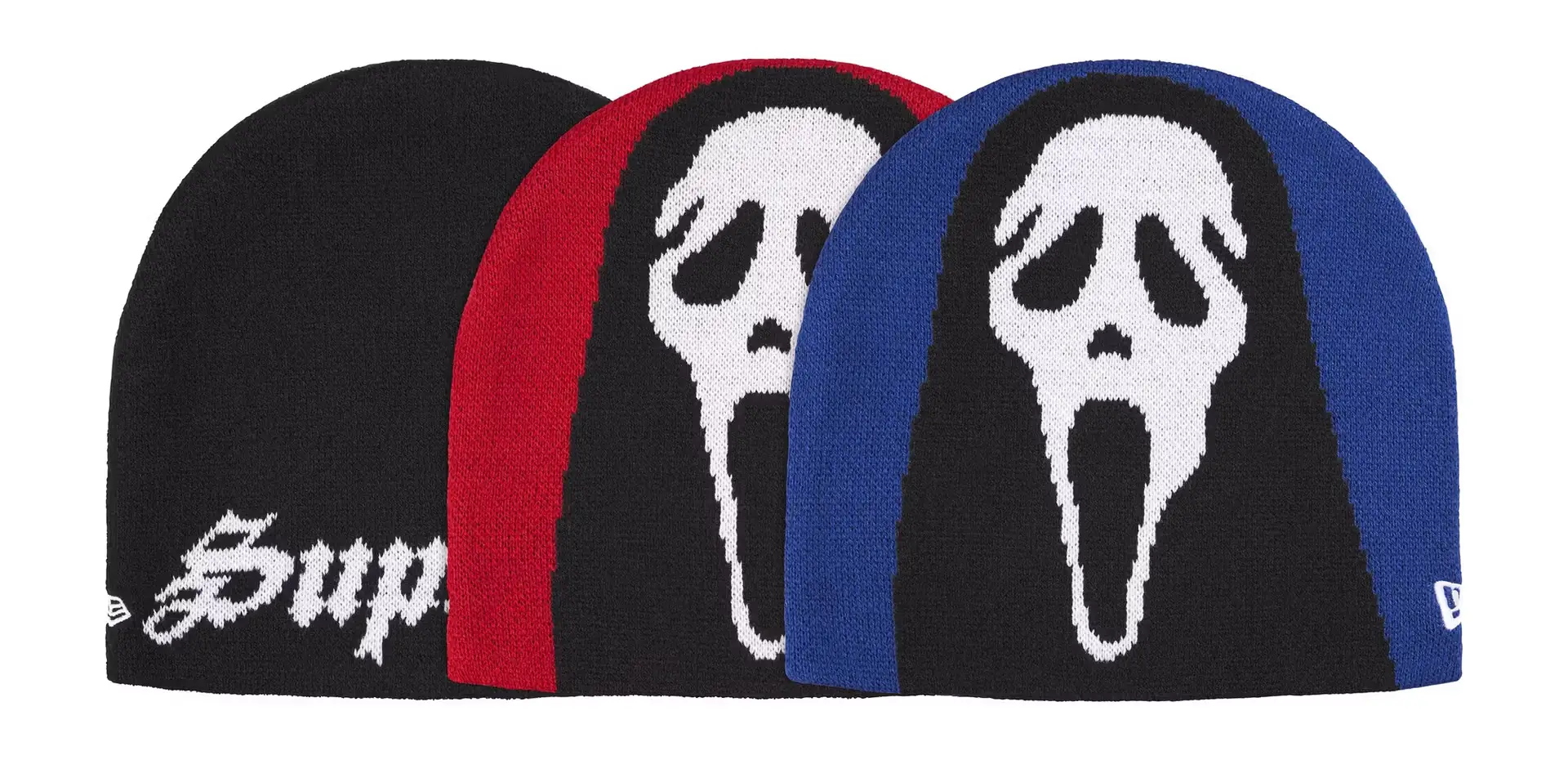
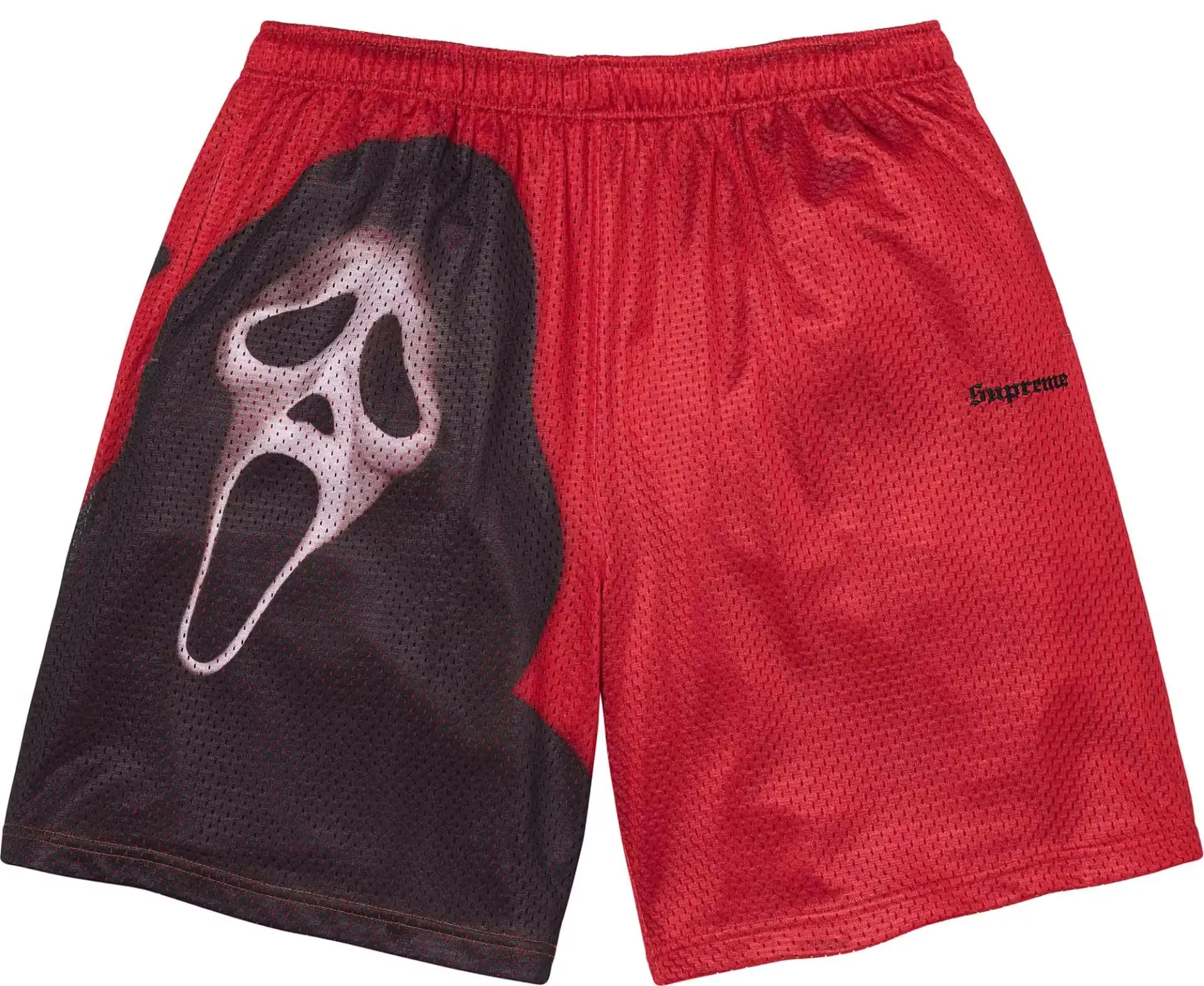
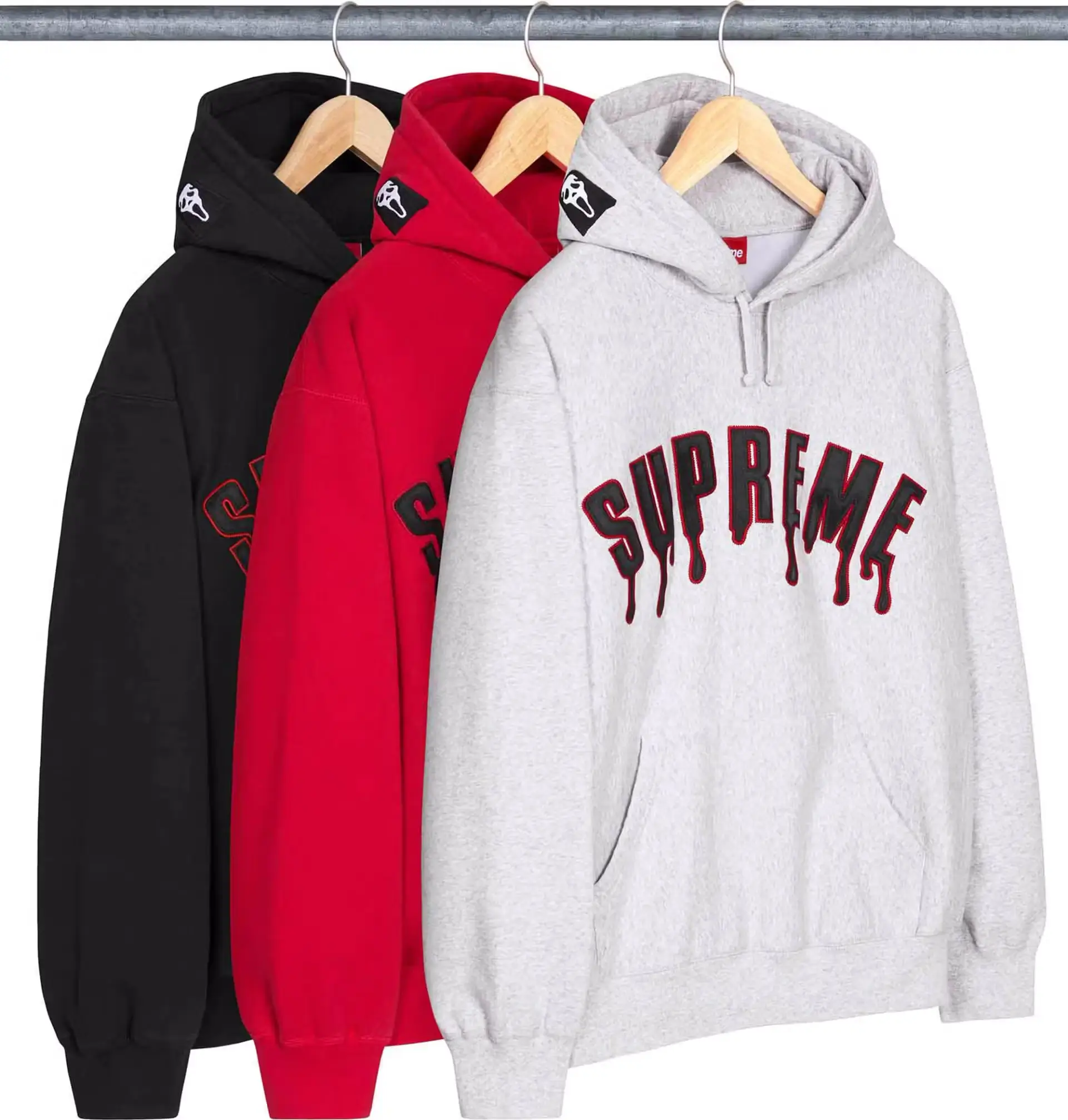
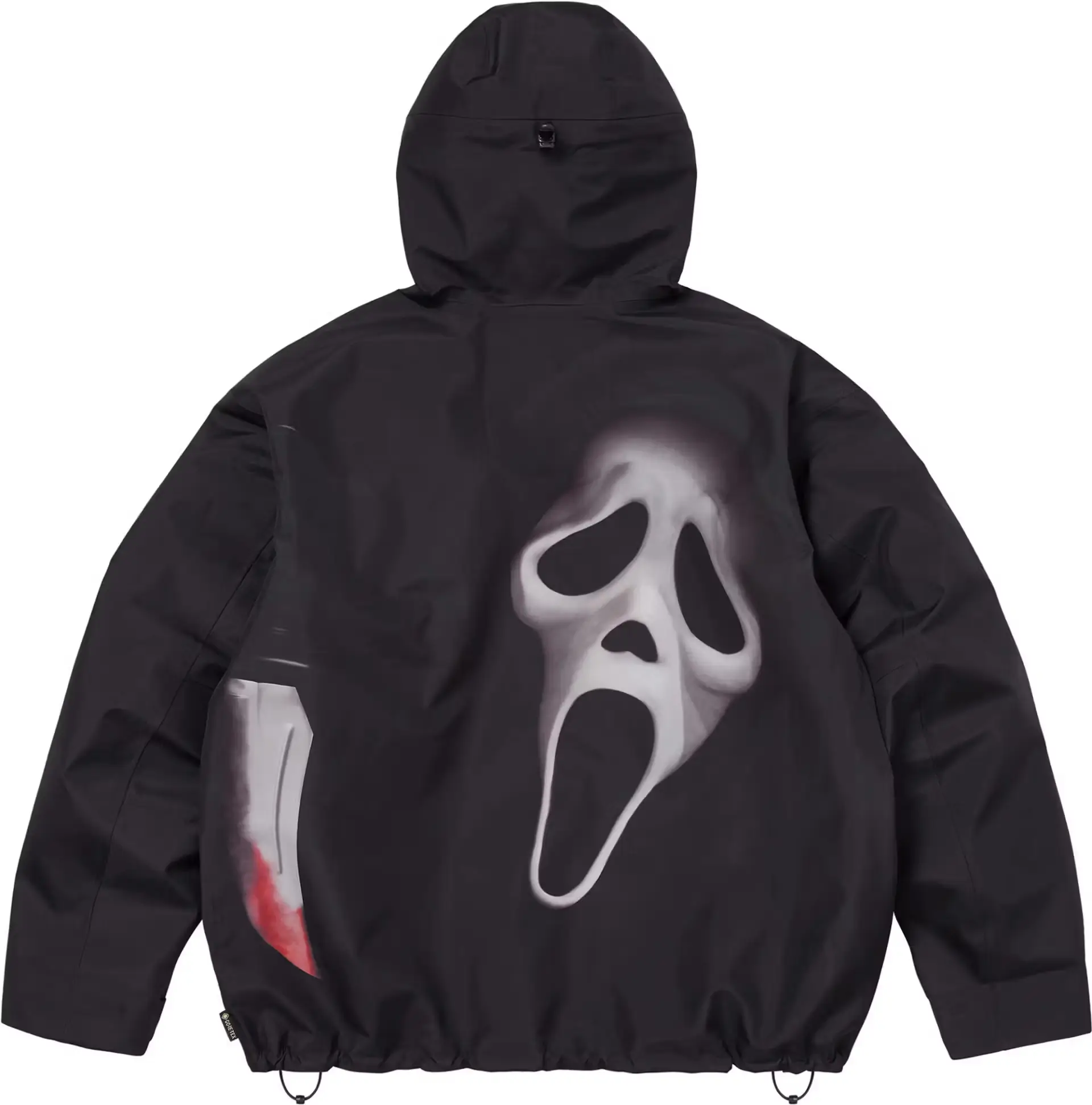
The convergence of Supreme and Ghostface Killah has always felt less like a collab and more like a delayed inevitability. When the New York institution announces a partnership with one of the most visually and lyrically distinctive figures in hip-hop history, the result is not simply product—it is a recalibration of lineage. Dropping March 26, the Supreme x Ghostface collection positions itself at the intersection of archival rap mythology and contemporary streetwear production, bridging decades of cultural memory with the immediacy of weekly drops.
This is not a nostalgic exercise, nor is it a superficial branding maneuver. It is a dialogue between two entities that have long shaped the same cultural vocabulary—downtown skate and Staten Island lyricism, both rooted in New York but projected globally. To understand the weight of this release is to recognize how deeply Ghostface’s visual identity and Supreme’s graphic language have always overlapped, even before a formal collaboration existed.
new
Supreme’s history has always been entangled with hip-hop—not through overt endorsements, but through a quieter absorption of its codes. Since its founding in 1994, the brand has operated as both participant and observer within New York’s creative underground, drawing from graffiti, skateboarding, and rap without privileging one over the other. Ghostface Killah, emerging as a central voice within the Wu-Tang Clan, represents a parallel trajectory—one defined by narrative density, sartorial individuality, and a refusal to conform to linear storytelling.
Ghostface’s influence extends beyond music. His aliases—Tony Starks, Pretty Toney—constructed an aesthetic universe that blended luxury references with street-level realism. This duality mirrors Supreme’s own ability to oscillate between accessibility and exclusivity. The collaboration, then, reads as a convergence of shared sensibilities rather than a collision of separate worlds.
The timing is equally significant. As Ghostface prepares the cultural landscape for Supreme Clientele 2, the long-anticipated sequel to his 2000 landmark album, the collection arrives as both a continuation and a recontextualization of that legacy.
flow
To decode the collection’s visual direction, one must return to Supreme Clientele. Released in 2000, the album remains one of the most celebrated solo efforts within the Wu-Tang canon, known for its dense lyricism, surreal imagery, and sonic cohesion.
More importantly, Supreme Clientele established a visual language that transcended music. Its references—luxury fabrics, abstract storytelling, fragmented imagery—created a framework that contemporary streetwear has continually drawn from. The album did not merely influence sound; it shaped how identity could be constructed through layered symbolism.
In this context, Supreme’s collaboration with Ghostface feels less like an homage and more like a continuation of that visual system. The rumored inclusion of bold typography, archival motifs, and graphic-heavy garments suggests a direct translation of Ghostface’s lyrical style into wearable form.
garment
Though full lookbook details remain selectively disclosed, early indications point toward a comprehensive range: graphic tees, hoodies, outerwear, and accessories—each functioning as a narrative fragment rather than standalone merchandise.
There are suggestions of technical outerwear, potentially including GORE-TEX shells, alongside more traditional Supreme staples. This juxtaposition—performance materials paired with culturally dense graphics—mirrors the duality at the heart of both Supreme and Ghostface’s work. Function meets mythology.
Each garment is expected to carry dual branding, but the emphasis is less on logos and more on storytelling. Ghostface’s world is not easily reduced to a single icon; it is composed of references—comic books, crime narratives, luxury signifiers—that accumulate into something larger. Supreme, in turn, provides the platform through which these references are reassembled for a contemporary audience.
auth
In recent years, merges have become a dominant currency within fashion. Yet many operate as surface-level exchanges—logos placed onto pre-existing templates. What distinguishes the Supreme x Ghostface project is its sense of authorship. This is not a borrowed aesthetic; it is an extension of a voice that predates the current collaboration economy.
Ghostface’s approach to storytelling—fragmented, nonlinear, deeply personal—resists simplification. Translating that into apparel requires more than graphic reproduction; it demands an understanding of rhythm, pacing, and texture. Supreme’s strength lies in its ability to navigate this complexity without over-explaining it.
The result is a collection that feels authored rather than assembled. It invites interpretation rather than dictating meaning.
rare
As with all Supreme releases, the March 26 drop will be governed by ritual: online queues, in-store lines, rapid sellouts. Yet the mechanics of scarcity take on a different dimension here. This is not simply about limited supply; it is about temporal alignment.
Ghostface’s cultural relevance has never been tied to cycles of hype. His work exists outside of trend-based timelines, drawing from a deeper reservoir of influence. By situating this collab within the framework of a weekly drop, Supreme creates a moment where long-form legacy intersects with short-form consumption.
This tension—between permanence and immediacy—is central to the collection’s impact.
style
It would be reductive to describe this collect as “New York-inspired.” New York is not an aesthetic reference point here; it is the condition under which both Supreme and Ghostface operate.
From Lafayette Street to Staten Island, the geography is not merely physical but cultural. It informs how garments are worn, how narratives are constructed, how authenticity is negotiated. The Supreme x Ghostface collection does not attempt to represent New York—it emerges from it.
This distinction is crucial. In an era where regional identity is often commodified, the collaboration retains a sense of specificity that resists dilution.
collect
What ultimately defines the Supreme x Ghostface collection is its ability to function beyond the realm of clothing. It operates as a cultural artifact—a material expression of a shared history between streetwear and hip-hop.
Each piece carries with it a lineage that extends back to the late 1990s, to an era when both Supreme and Wu-Tang were shaping parallel narratives within the same city. The idea does not attempt to recreate that moment; it acknowledges its persistence.
In doing so, it challenges the notion that fashion is inherently ephemeral. Instead, it positions apparel as a medium through which memory can be preserved and reinterpreted.
rel
When the collection arrives on March 26, it will do so within a framework that blends anticipation with inevitability. The collaboration feels both overdue and precisely timed—a convergence that could only happen now.
Available through Supreme’s official channels and select retail partners, the drop will likely follow the brand’s established distribution model, with pricing revealed at launch.
Yet to reduce the release to logistics would be to miss its broader significance. This is not simply a product launch; it is a moment of cultural synchronization.
fin
The Supreme x Ghostface collection does not rely on spectacle to assert its importance. Its strength lies in its coherence—in the way it aligns two distinct yet deeply interconnected narratives.
In a landscape saturated with collaborations, it offers something increasingly rare: authenticity that is not constructed, but inherited. It reminds us that the most enduring partnerships are those that feel less like collaborations and more like reunions.
March 26, then, is not just a release date. It is a continuation of a story that has been unfolding for decades—one that now finds new form in fabric, print, and the enduring language of New York culture.