Village PM 1PM Sneakers in Cream — A Minimalist Approach to Everyday Form

March 17, 2026
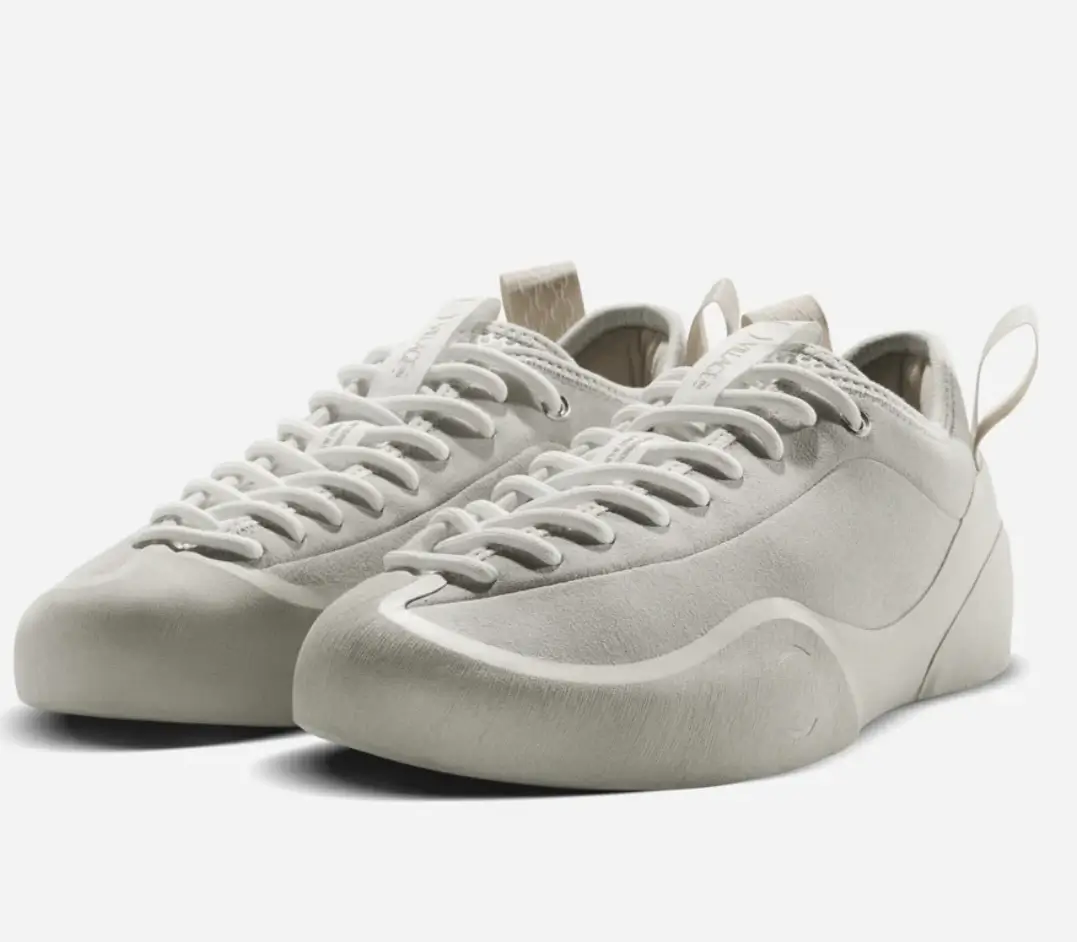
There is something deliberate—almost philosophical—about a shoe named after a moment in time. The Village PM 1PM Shoes in Cream do not arrive loudly, nor do they attempt to overwhelm with spectacle. Instead, they position themselves within a quieter rhythm of contemporary design, where nuance, material integrity, and wearability define relevance.
“1PM” reads like a timestamp rather than a product code. It suggests an interval in the day where movement slows just enough to notice detail—the way light hits surfaces, the tonal shifts in fabric, the subtle balance between form and function. In this context, the Cream iteration becomes more than a colorway; it becomes a statement of intent.
View this post on Instagram
struct
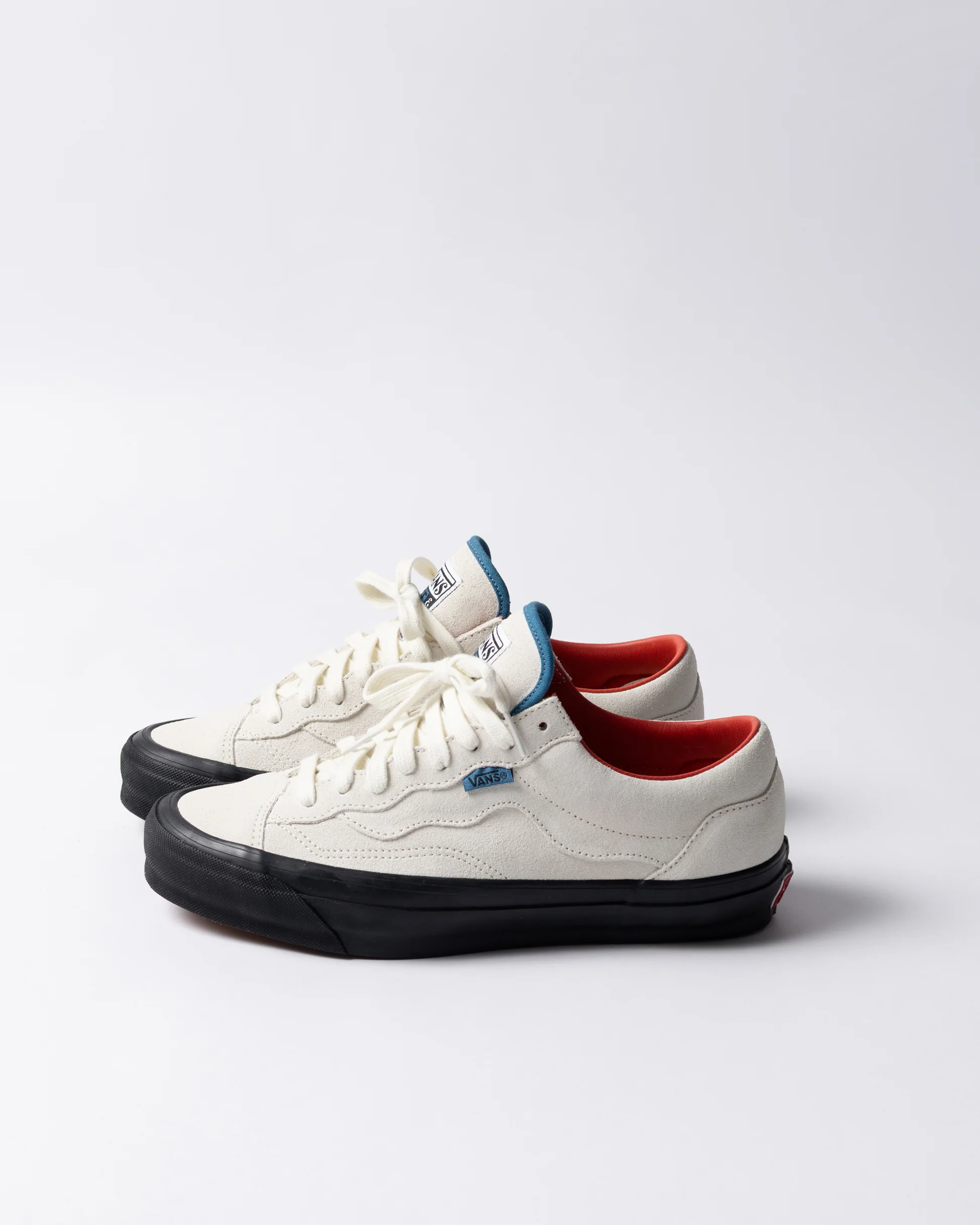
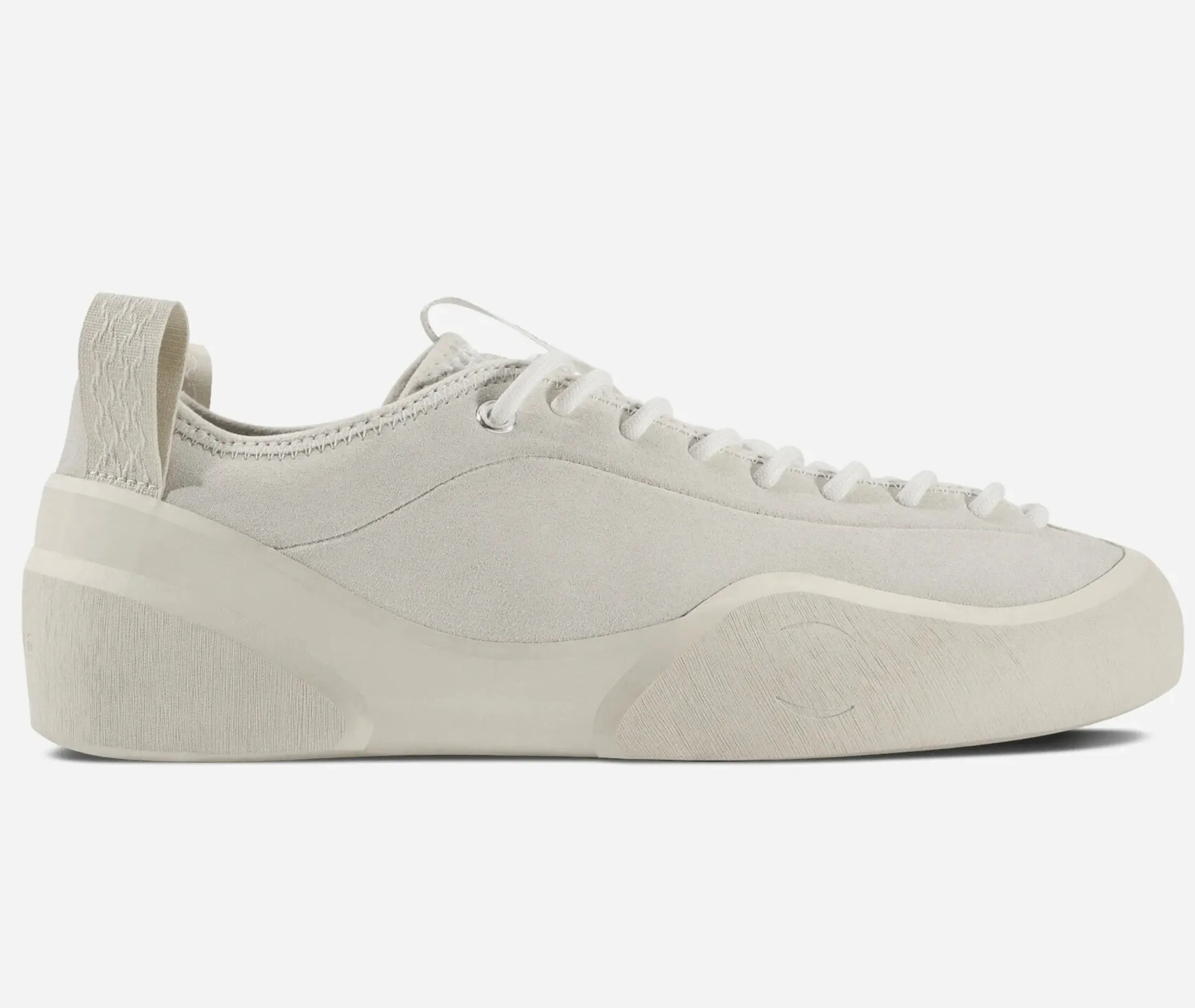
At first glance, the upper presents a refined cream palette that sits somewhere between off-white and pale ivory. It resists starkness. Instead of the clinical brightness often associated with white sneakers, this tone carries warmth—suggesting wearability from day one rather than a fragile, museum-like presence.
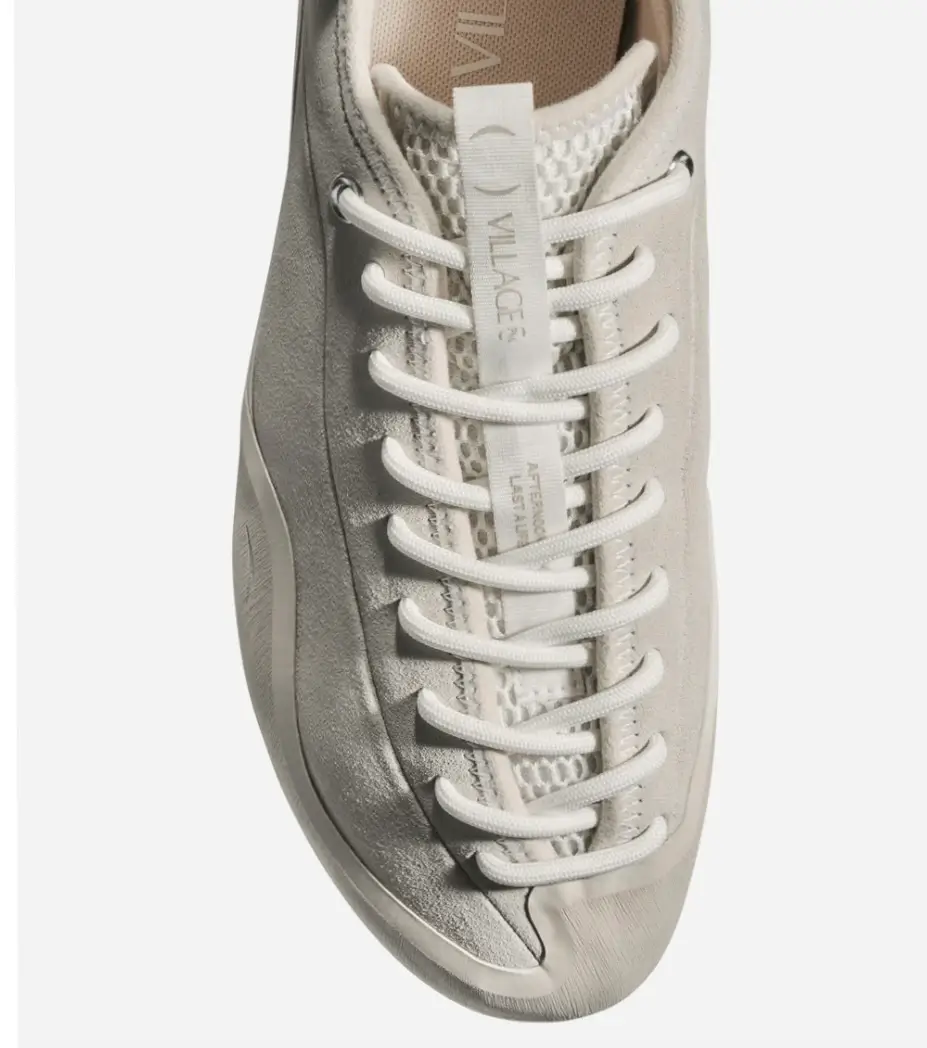
The construction appears to favor a layered approach. Smooth leather panels intersect with soft suede overlays, creating depth without visual noise. The tactile contrast is key: leather offers durability and polish, while suede introduces a muted, almost atmospheric texture. Together, they produce a surface that feels considered rather than decorative.
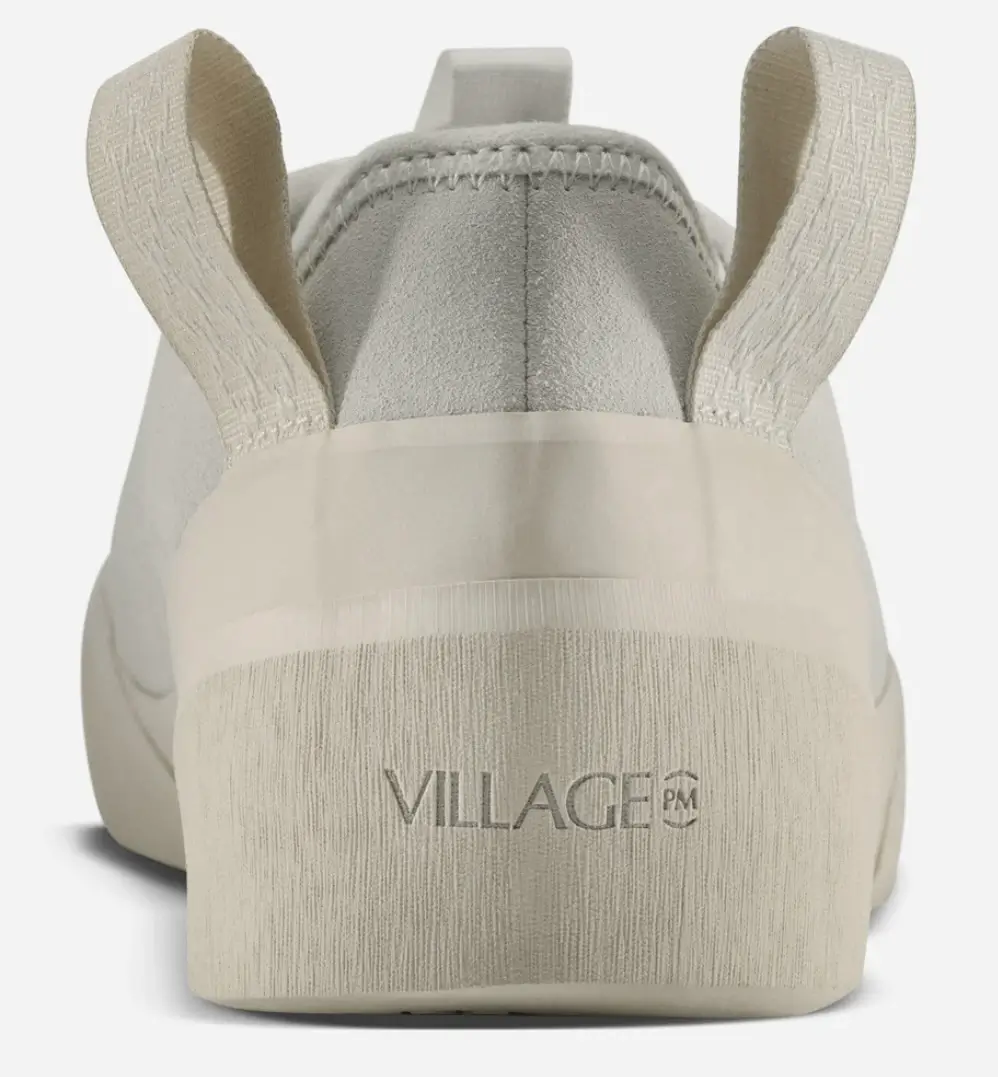
Stitching lines are kept minimal and precise. There is no excess branding interrupting the composition. If logos exist, they are likely tonal or subtly embossed—designed to be discovered rather than announced. This restraint aligns with a broader shift in shoe culture, where overt identity markers are being replaced by coded signals understood within niche communities.
sil
The silhouette leans toward a low-cut, streamlined form. It avoids exaggerated proportions—no oversized tongues, no aggressively sculpted midsoles. Instead, it follows a refined, almost architectural line that prioritizes balance.
The toe box appears slightly rounded, allowing for comfort without sacrificing shape. The midfoot maintains a clean, uninterrupted flow, while the heel structure offers enough reinforcement to anchor the design. The result is a sneaker that feels grounded, stable, and versatile.
This is not a performance runner, nor is it trying to be. It exists in that increasingly important middle ground: lifestyle footwear that carries the discipline of athletic design but is ultimately built for everyday movement—walking through city blocks, transitioning between spaces, existing within multiple contexts without friction.
scheme
Cream has become one of the defining tones of modern footwear. It occupies a space between neutrality and expression. Unlike pure white, which can feel sterile, or beige, which can skew overly subdued, cream holds warmth and dimension.
In the Village PM 1PM Shoes, this choice feels intentional. The color softens the silhouette, allowing the form to breathe. It also enhances versatility. Paired with denim, it elevates. With tailoring, it relaxes. With technical wear, it balances.
There is also a temporal quality to cream—it ages differently. Scuffs and wear marks do not disrupt the aesthetic; they contribute to it. Over time, the sneaker develops a patina that feels lived-in rather than degraded. This aligns with a growing appreciation for objects that evolve with use rather than deteriorate under it.
fx
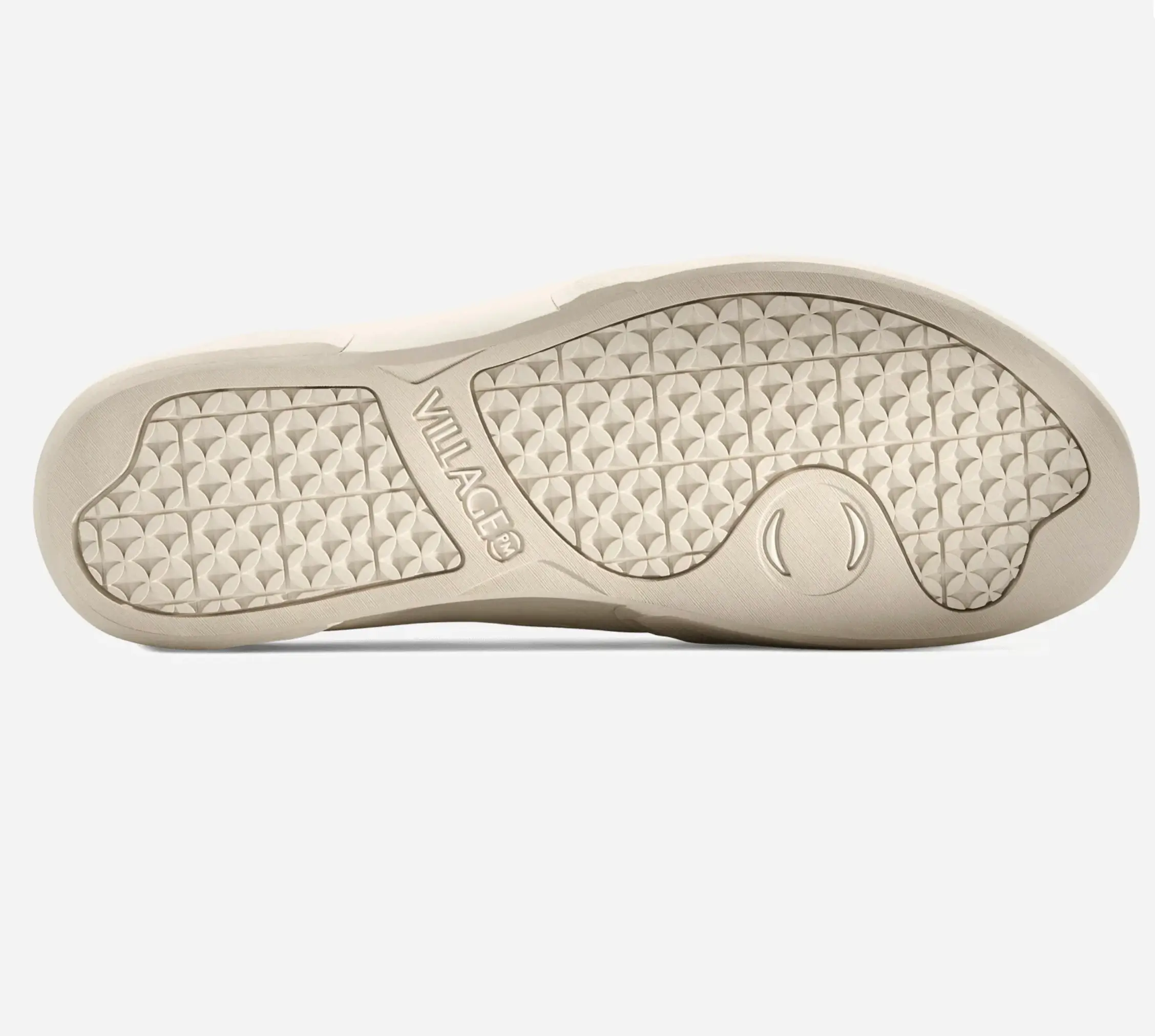
Beneath the upper, the outsole likely follows a tonal continuation—off-white or slightly darker cream—maintaining visual cohesion. The tread pattern, while not overtly aggressive, is expected to provide sufficient grip for urban environments.
Cushioning systems in sneakers like this are typically understated but effective. EVA or similar foam compounds may be used to deliver comfort without adding bulk. The emphasis is on long-duration wearability rather than high-impact performance.
The sole unit, in this case, acts as a quiet foundation. It does not seek attention, but it supports everything above it—both structurally and aesthetically.
street
Village PM operates in a space that is increasingly relevant: the intersection of understated luxury and street-informed design. The 1PM Shoes do not rely on hype cycles or aggressive collaborations. Instead, they build value through consistency and clarity.
This approach resonates with a specific audience—those who have moved beyond logo-driven consumption but still engage deeply with fashion and design. It is a shift from visibility to discernment. The shoes becomes less about signaling to everyone and more about aligning with a particular sensibility.
In this sense, the 1PM Sneakers Cream sit alongside a broader movement in footwear—one that prioritizes longevity, subtlety, and material honesty over seasonal spectacle.
flow
One of the defining strengths of the Cream colorway is its adaptability. It integrates seamlessly into a wide range of wardrobes.
With relaxed tailoring—think wide trousers and soft blazers—the sneaker introduces a grounded, contemporary edge. With denim, it sharpens the silhouette, offering contrast without harshness. In more technical or utilitarian outfits, it acts as a stabilizing element, softening the overall composition.
This adaptability is not accidental. It reflects a design philosophy centered on integration rather than dominance. The sneaker does not dictate the outfit; it complements it.
why
The naming convention deserves attention. “1PM” suggests a moment—specific, yet universal. It is neither the rush of morning nor the wind-down of evening. It is a midpoint, a transition.
This aligns with how the shoe functions. It is not tied to a single context or identity. It moves between spaces—work and leisure, formal and casual, interior and exterior. It exists in that in-between, where most of contemporary life actually happens.
By anchoring the product to a time rather than a trend, Village PM introduces a conceptual layer that elevates the design. It becomes less about what the sneaker is and more about when—and how—it is worn.
fin
The Village PM 1PM Shoes Cream do not demand attention, but they hold it. Their strength lies in restraint—in the careful calibration of material, form, and tone.
In a landscape saturated with maximalism and rapid turnover, this kind of design feels increasingly significant. It suggests a different pace, a different set of priorities. One where objects are not just consumed, but lived with.
The Cream iteration, in particular, embodies this philosophy. It is adaptable, enduring, and quietly expressive. It does not chase relevance; it sustains it.
And perhaps that is the most compelling aspect of the 1PM Shoes. They are not designed for a moment. They are designed for the spaces between moments—the everyday intervals where style is not performed, but inhabited.