Scenes Of Labor: wetheknot Studies Work Without Ornament

April 6, 2026
2 hours ago
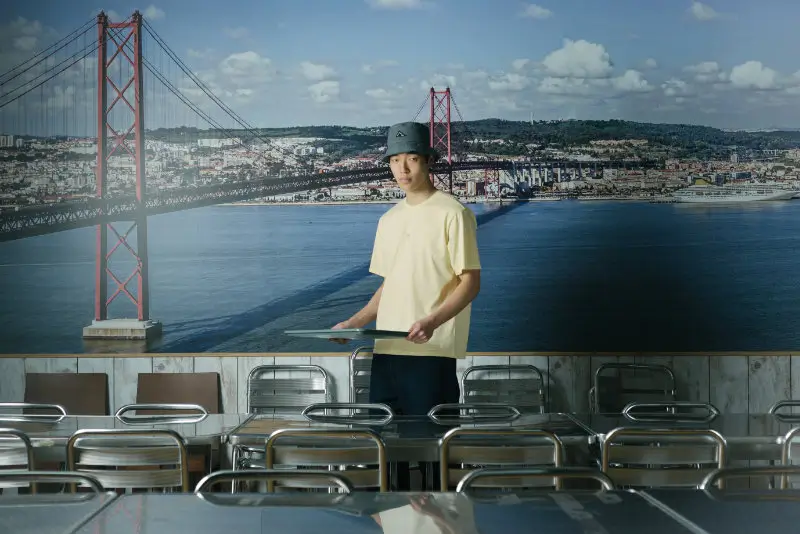

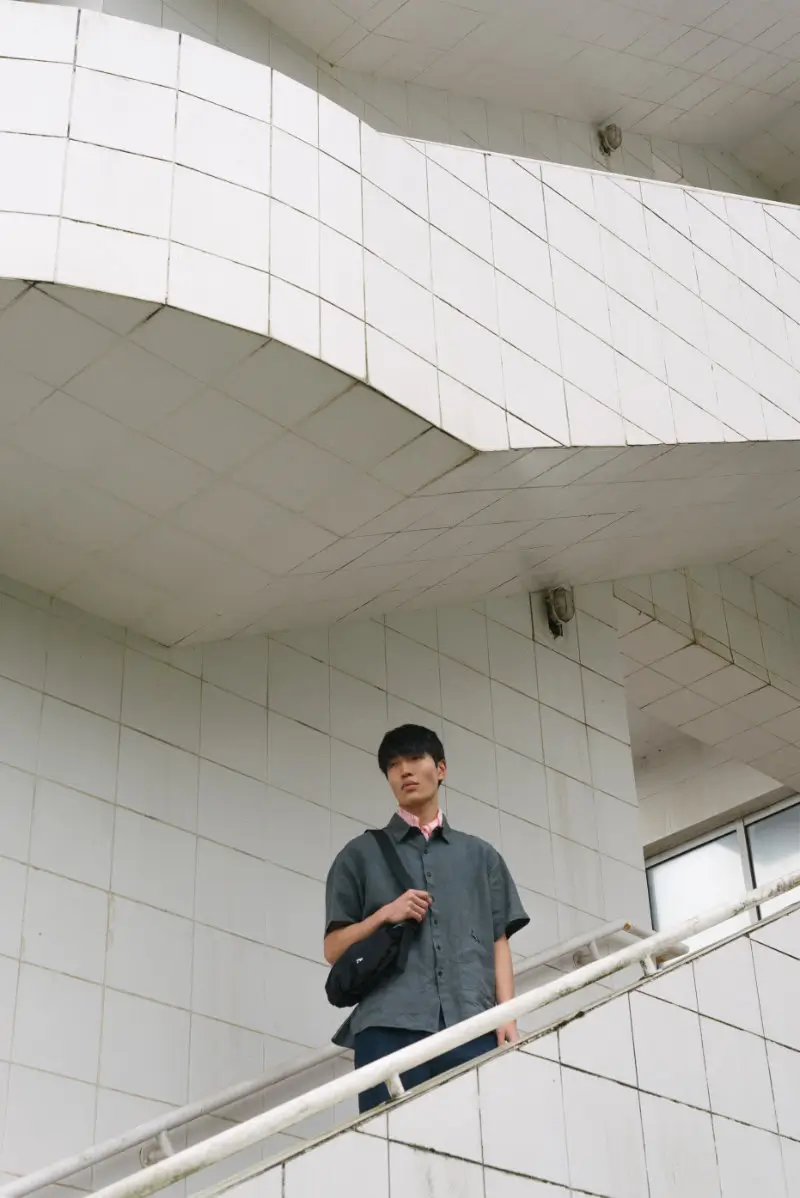
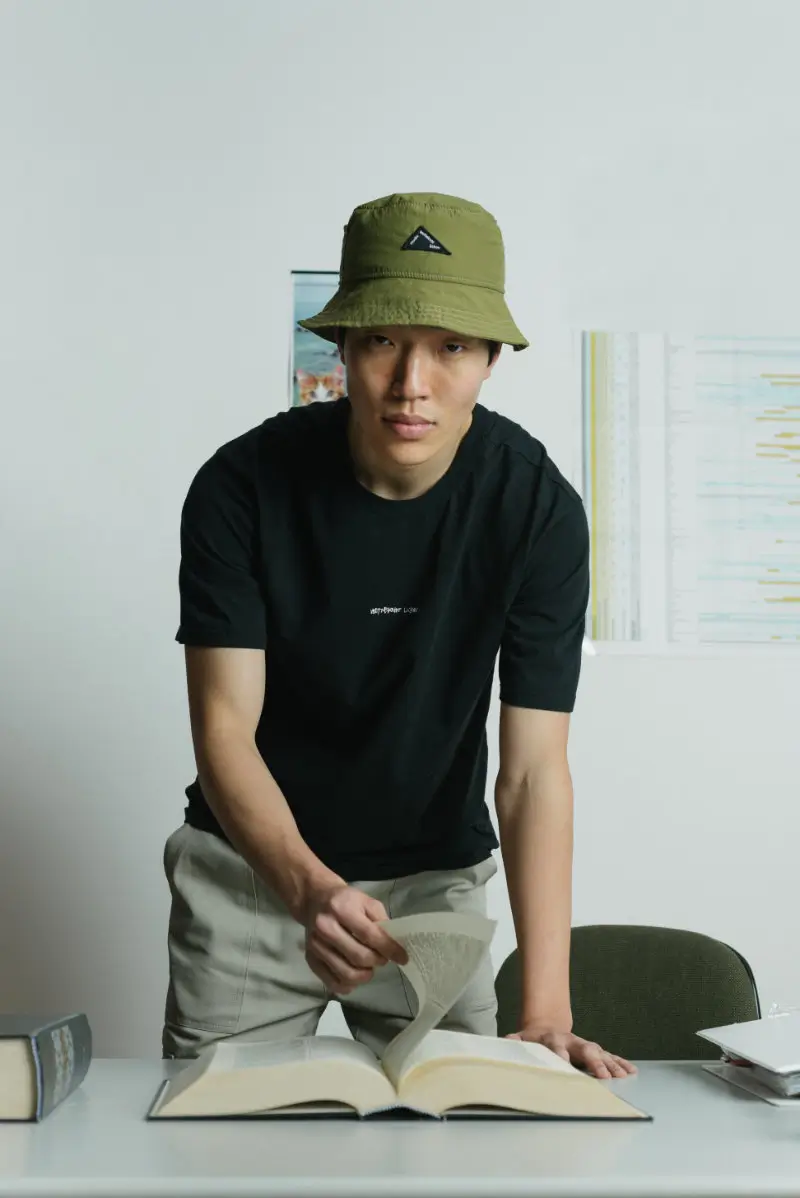
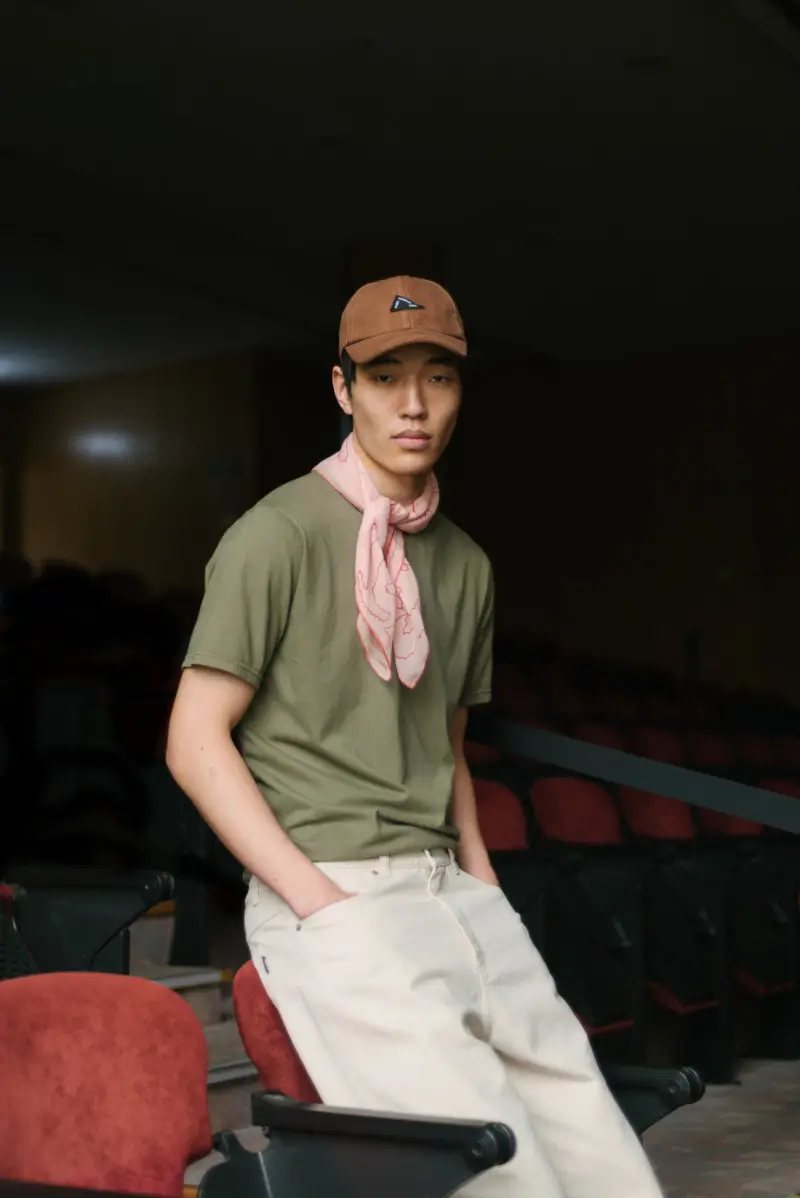
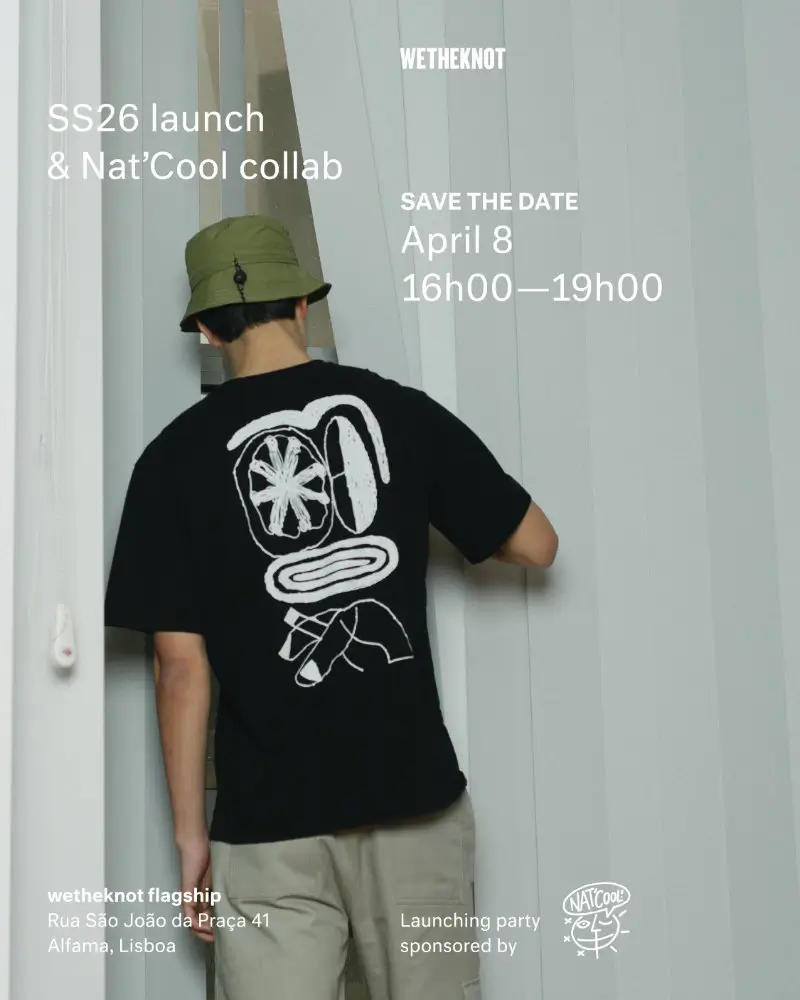
There is no spectacle in the spaces that define most of life. Fluorescent-lit corridors, meeting rooms with fixed chairs, cafeterias calibrated for efficiency—these are environments designed not to be remembered, but to be repeated. With Scenes of Labor, wetheknot does not attempt to romanticize those conditions. It studies them.
The collection unfolds as a year-long project, structured in chapters rather than drops, with the first installment—Hourly Rate—moving deliberately into the architecture of routine. It focuses on the quiet systems that shape time rather than celebrate it. Work, here, is not framed as ambition or identity. It is treated as condition.
This is not a conceptual gesture detached from material. It is embedded in construction, in fabric choice, in the pacing of production. wetheknot builds its argument through garments that are direct, functional, and precise.
stir
The starting point is not clothing, but environment. Offices, corridors, shared tables—spaces that distribute time across bodies in predictable ways. The collection does not replicate these spaces visually; it absorbs their logic.
Repetition becomes structure. Restraint becomes form. Neutrality becomes intentional.
This is visible in the silhouettes: relaxed without collapse, structured without rigidity. The garments are not designed to disrupt routine, but to exist within it without friction. They acknowledge the pace of daily work—sitting, standing, moving between rooms—and adjust accordingly.
frame
The title Hourly Rate is precise. It refers not just to compensation, but to measurement. Time segmented, valued, and accounted for.
Within this framework, the collection operates as a response rather than a critique. It does not reject the structure of work. It examines how that structure manifests in material terms—how clothing accommodates, reflects, and occasionally resists it.
The garments are built to function across repeated use. There is no emphasis on singular moments. Everything is designed for continuation.
View this post on Instagram
wear
The short-sleeve linen shirt and cotton shorts carry the most direct reference to workwear. But the reference is quiet.
There are no exaggerated pockets, no overt signals of utility. Instead, the approach is reductive. The linen shirt is cut to allow airflow, reducing the physical strain of extended wear. The cotton shorts maintain structure without restricting movement.
The intention is not to perform workwear, but to align with its underlying logic: durability, comfort, adaptability.
This alignment extends to proportion. Nothing is overly fitted. Nothing is oversized for effect. The balance is measured, allowing the garments to move between contexts without recalibration.
show
If the silhouettes remain controlled, the graphic elements introduce a different layer of engagement.
Four organic cotton t-shirts carry prints that function as interruptions within the system. The most direct is a small snail accompanied by the phrase “slow work still works.” The reference is subtle but deliberate—an echo of the Sisyphusnarrative, where repetition defines existence, but meaning is constructed within it.
The snail does not reject the cycle. It reframes its pace.
Another reference draws from Permanent Vacation, invoking a different relationship to time—one that resists structured productivity in favor of drift and observation. The inclusion is not nostalgic. It positions the collection within a broader cultural dialogue about work, autonomy, and disengagement.
These graphics do not dominate the garments. They remain small, almost peripheral. But their placement ensures they are noticed—not immediately, but over time.
style
The knitwear polo completes the apparel offering with a focus on continuity. Organic cotton provides softness without sacrificing structure, allowing the piece to transition between environments.
There is no attempt to elevate the garment beyond its function. Instead, it is refined within that function. The knit holds its shape. The texture adds subtle variation. The design remains consistent with the collection’s overall restraint.
extent
The accessories extend the collection’s logic without deviation.
A recycled nylon shoulder bag introduces durability and resistance to wear, aligned with the demands of daily movement. The cotton tote offers a lighter alternative, suited to less structured use. The brown organic cotton cap and recycled nylon bucket hats provide minimal protection without altering the overall silhouette.
Graphic knitted socks and the moon-cycle bandana introduce additional layers, but remain consistent in tone. They do not disrupt the system. They integrate into it.
Material choice remains central. Recycled nylon, organic cotton, recycled polyester—each selected not for novelty, but for function and responsibility.
established
All pieces are produced locally in Portugal, in connect with small manufacturers. This is not presented as a marketing point. It is embedded in the structure of the project.
Local production allows for control over quality and pacing. It reduces the distance between design and execution. It also aligns with the collection’s broader examination of labor.
Work is not abstracted. It is present in the process itself.
Filipe Cardigos, speaking for wetheknot, states: “We spend most of our waking hours at work. We wanted to look at that honestly, because the things we stop noticing are usually the ones most worth questioning.”
The emphasis is on attention. Not disruption, but recognition.
material
The use of responsible materials is consistent across the collection. Organic cotton reduces environmental impact. Recycled fibers extend the lifecycle of existing materials.
But the approach avoids excess. There is no layering of sustainability claims. The materials are selected, applied, and left to function.
Durability becomes the primary metric. Garments are built to last, reducing the need for replacement. This aligns with the collection’s focus on repetition. Clothing is not seasonal. It is continuous.
balance
Production rhythms are intentionally moderated. The year-long structure of Scenes of Labor allows for development without compression.
This pacing reflects the collection’s thematic focus. Work is not accelerated for output. It is measured, sustained, and adjusted over time.
The result is a system that mirrors the conditions it studies, but without replicating their pressures.
consider
The collection does not propose solutions. It does not attempt to redefine work or offer alternatives.
Instead, it positions clothing as a participant within the condition of work. Garments do not escape the system. They exist within it, shaped by its demands.
This perspective shifts the role of fashion. It is no longer an external commentary. It becomes internal to the structure it examines.
story
There is no conclusion within Hourly Rate. It is a first chapter, not a complete statement.
The decision to structure the project over a year reinforces this. Each chapter will extend the examination, introducing new environments, new materials, new considerations.
This approach resists the expectation of resolution. Work, as a condition, does not conclude. It continues.
The collection follows that logic.
end
wetheknot’s Scenes of Labor operates with clarity. It identifies a condition—work as the dominant structure of daily life—and examines it through material, production, and design.
The garments are not expressive in the conventional sense. They do not seek attention. They function.
But within that function, they hold a specific position.
They acknowledge repetition without resistance.
They introduce variation without disruption.
They maintain structure without rigidity.
The result is a collection that does not attempt to redefine work, but to understand it.
And in that understanding, it establishes its relevance.