The F50 TUNIT Reimagined in the Age of Global Football

April 3, 2026
2 hours ago

twenty
Y-3 reopens one of its most mythologized chapters with the return of the F50 TUNIT—timed with quiet precision for the global stage of the FIFA World Cup 2026. What first surfaced in 2006, in the shadow of Germany’s summer tournament, now arrives recontextualized: not as nostalgia, but as a recalibration of performance, identity, and symbolism within football’s evolving visual language.
At its core, the F50 TUNIT was always about modularity—interchangeable components engineered for adaptability. But under the direction of Yohji Yamamoto, that engineering became something else entirely: a canvas for narrative. Two decades later, the same framework returns, but with a different cultural weight. Football is no longer just sport; it is fashion, media, and mythology fused into one global syntax.
View this post on Instagram
stir
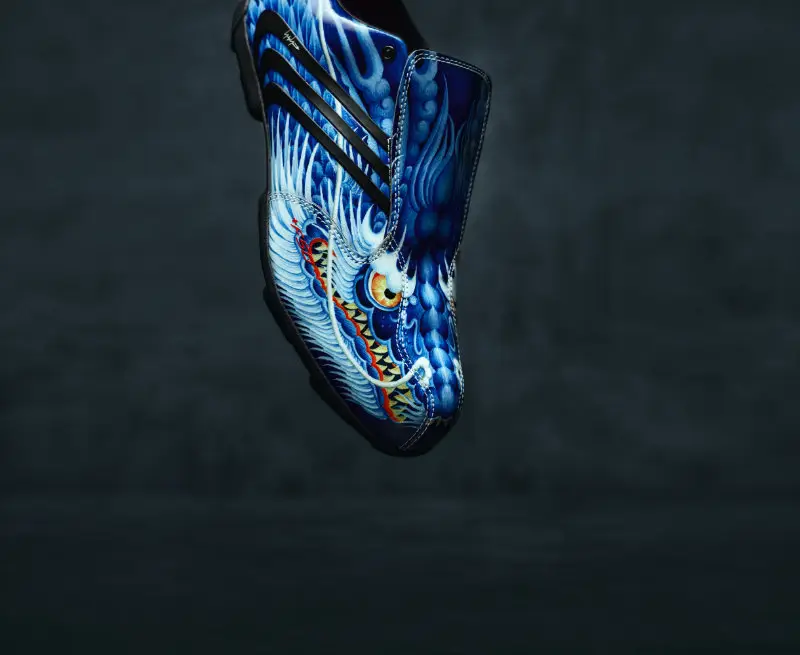
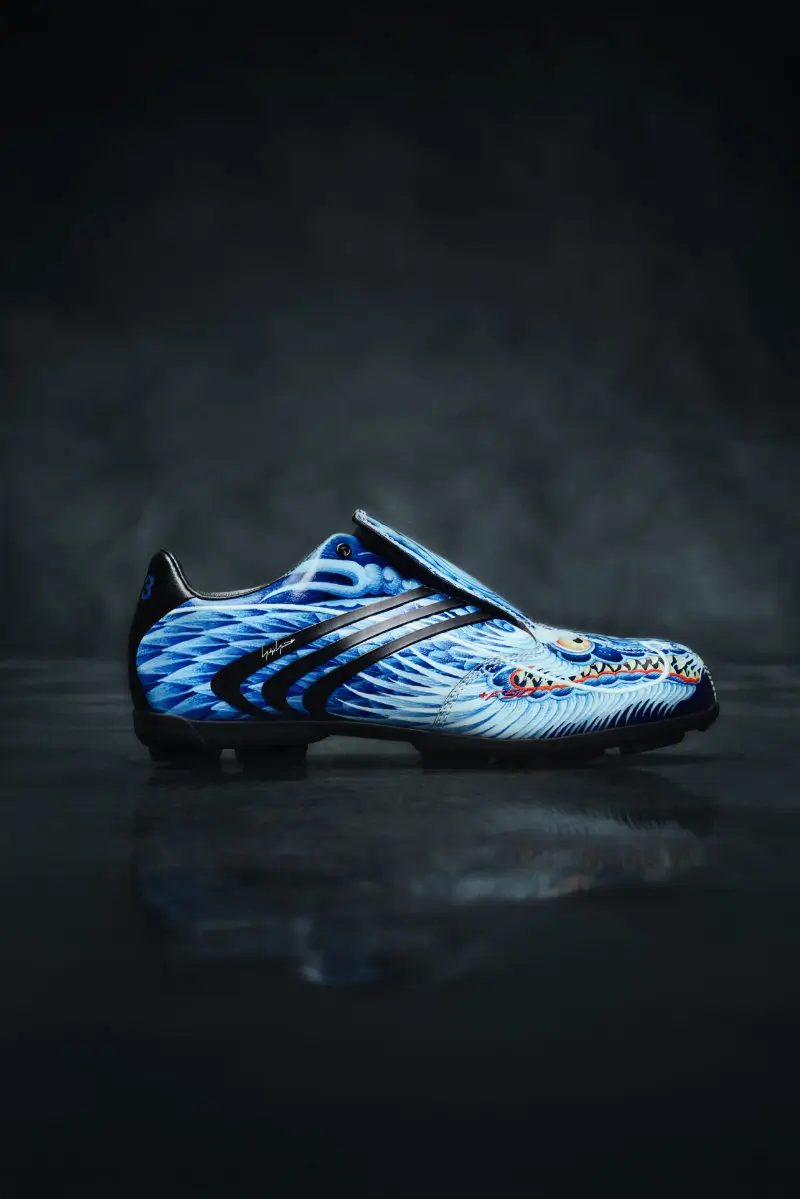
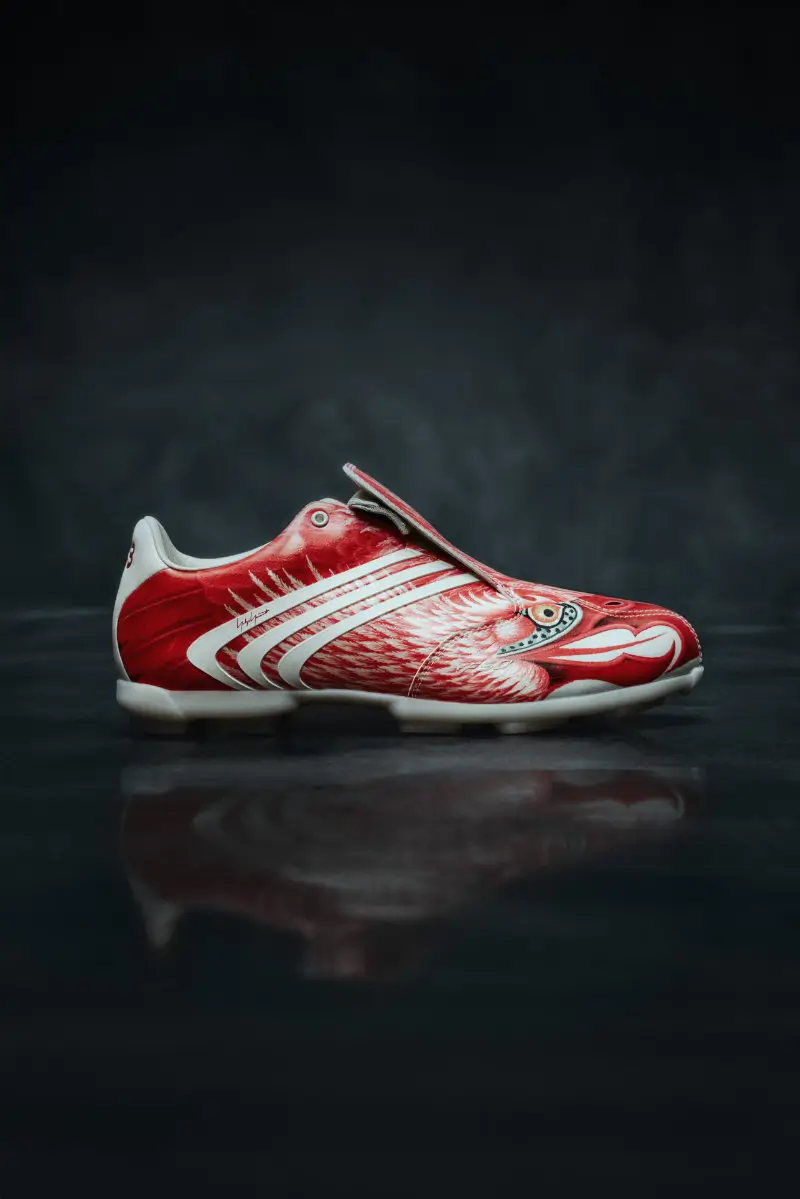
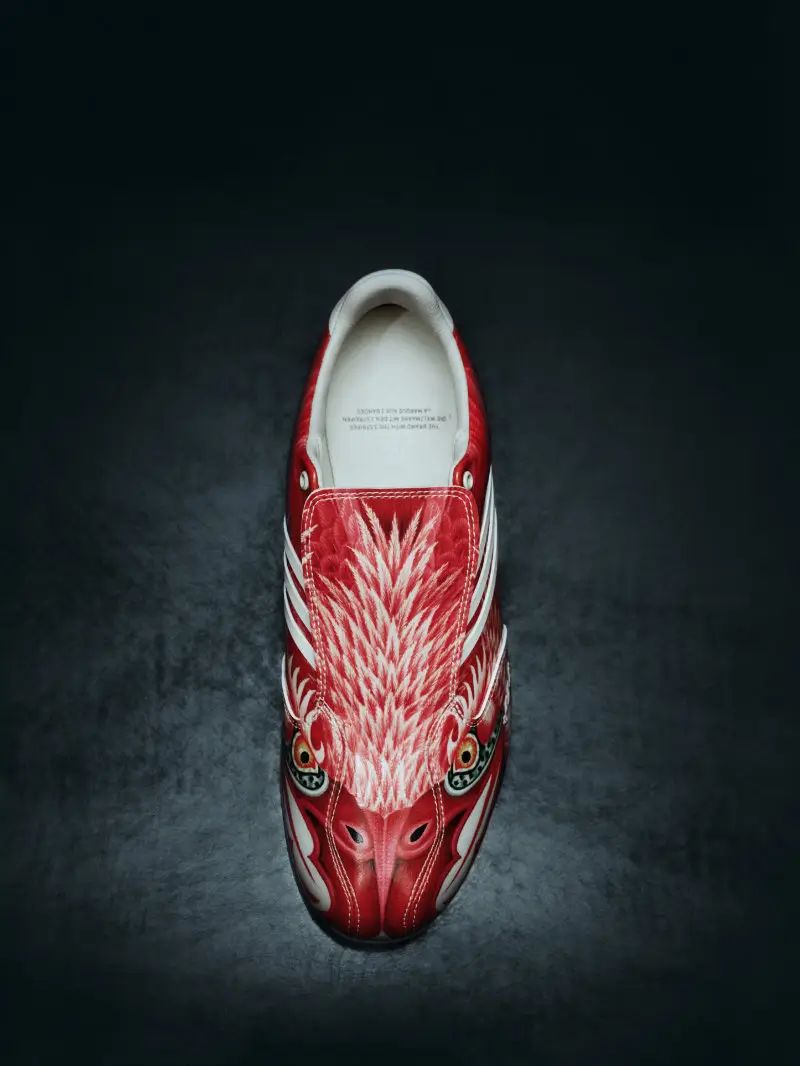
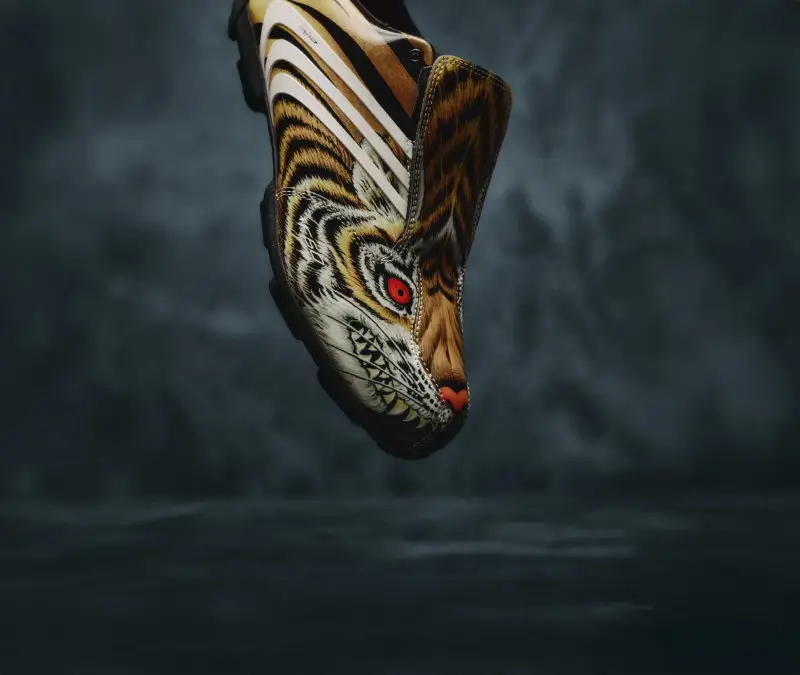
The 2026 pack reactivates the four creatures that defined the original release—each one rooted in Japanese myth and symbolic hierarchy:
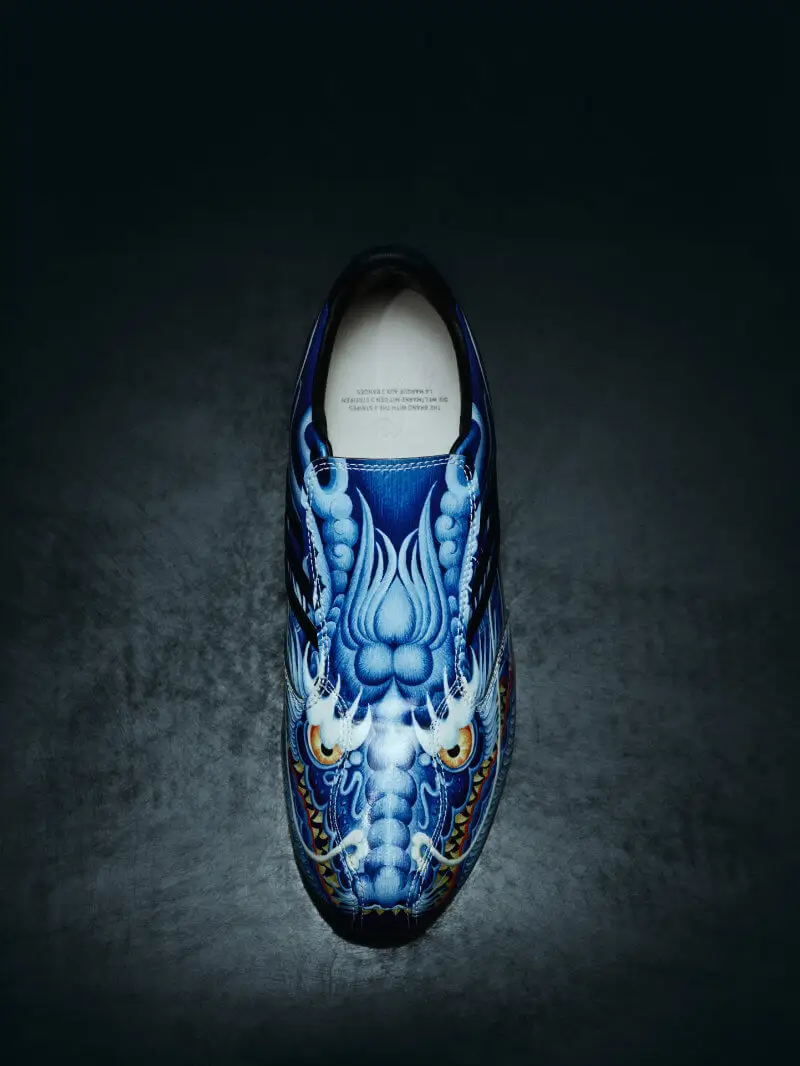
- Dragon (Blue) — control, wisdom, the unseen force guiding movement
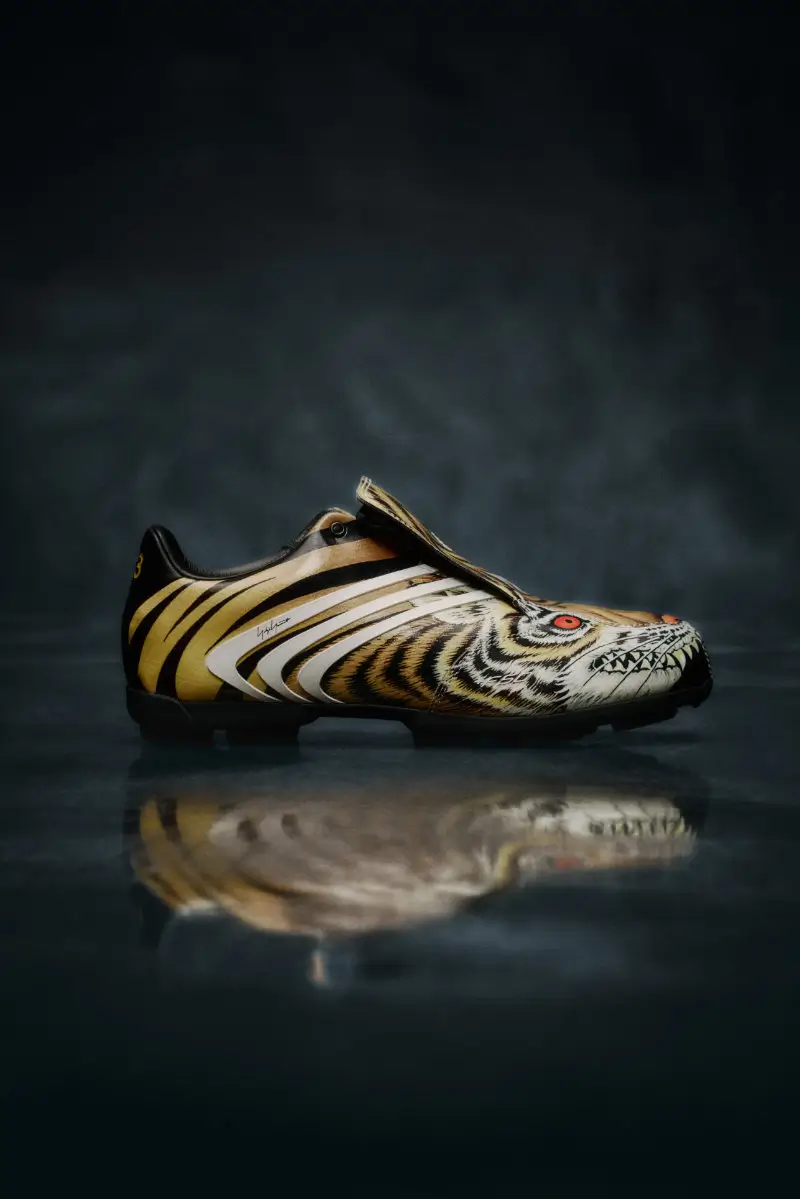
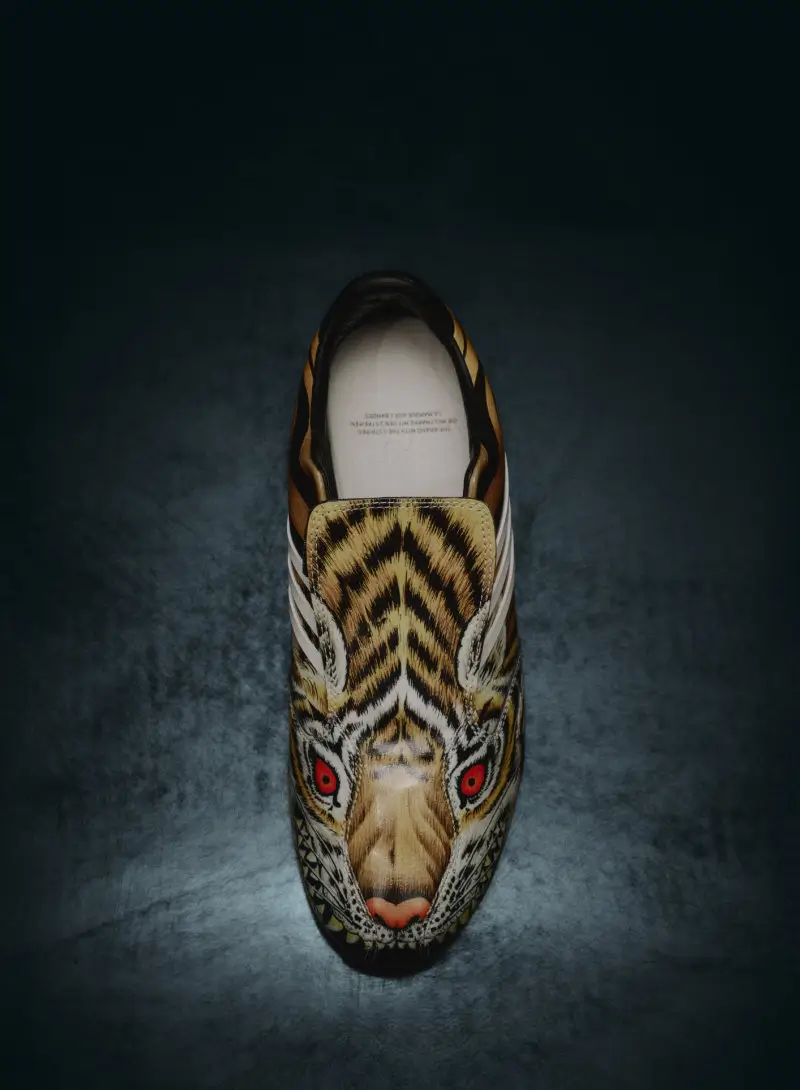
- Tiger (Yellow) — power, unpredictability, territorial instinct
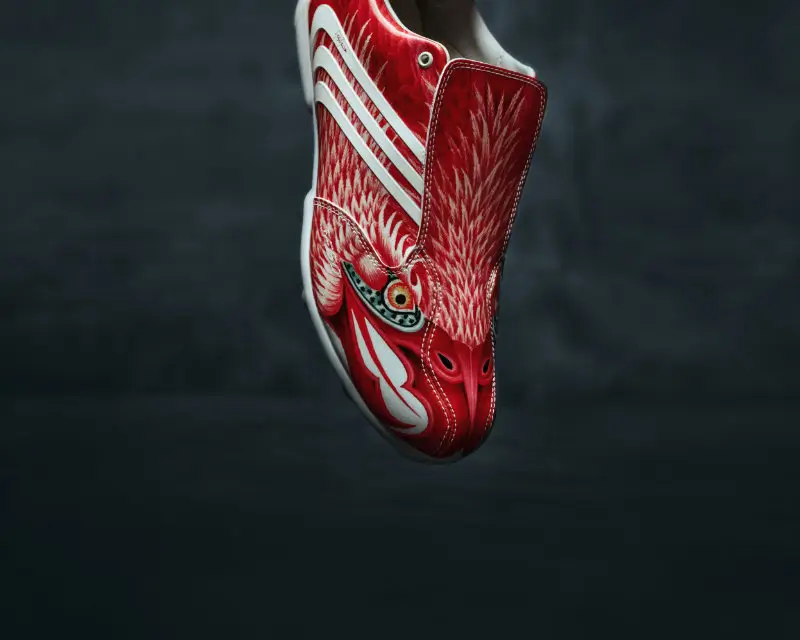
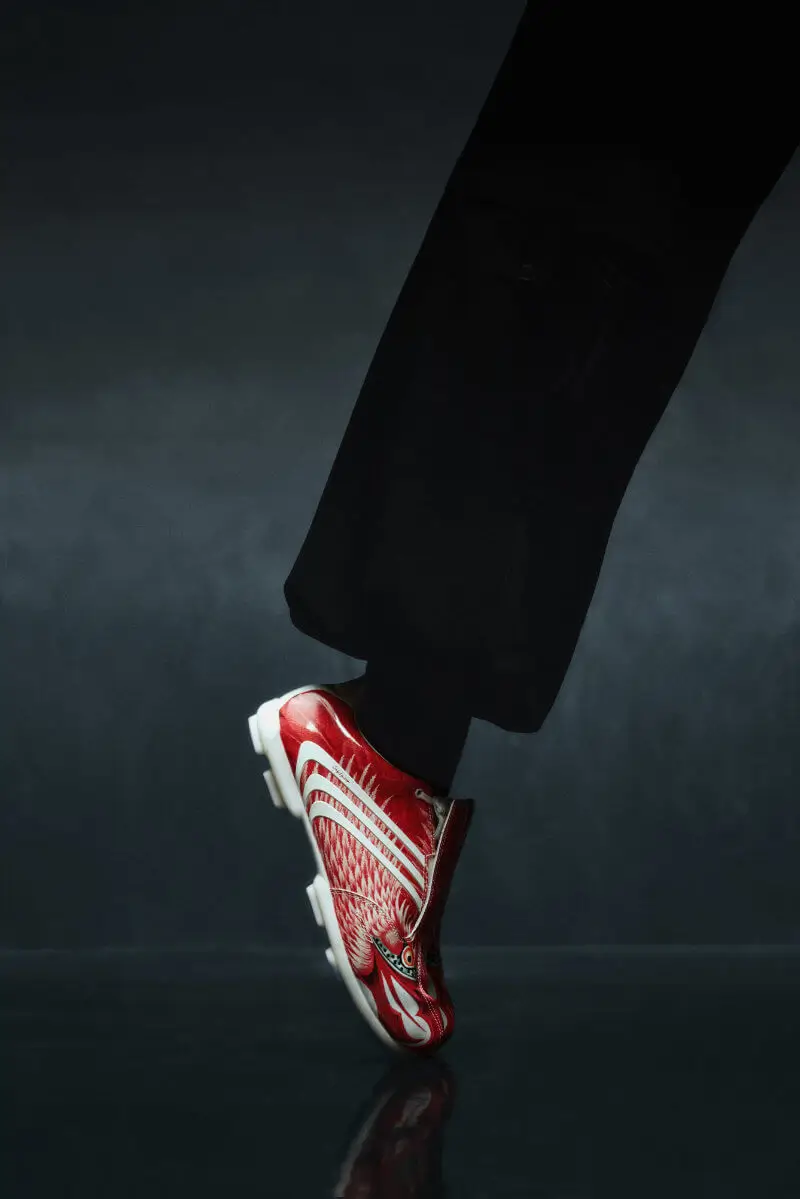
- Eagle (Red) — vision, elevation, the aerial perspective of play
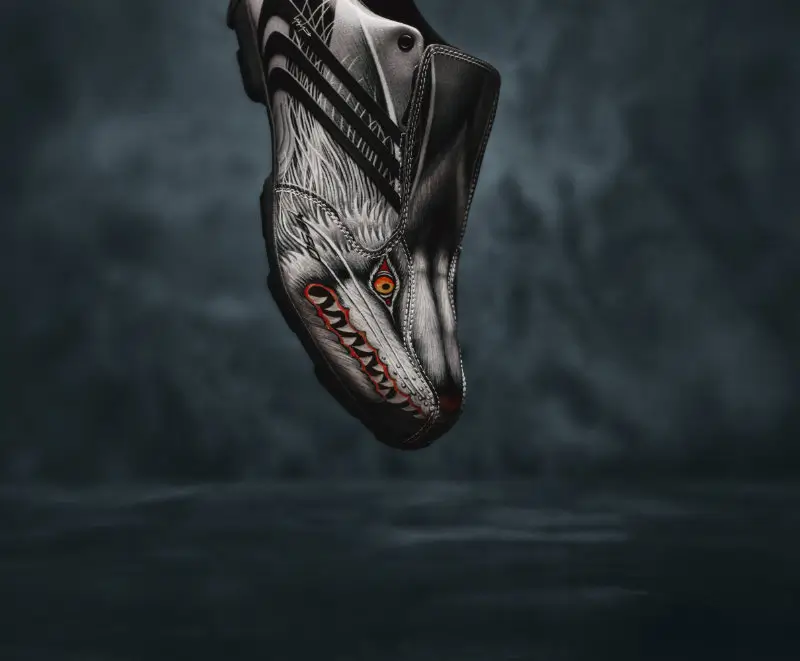
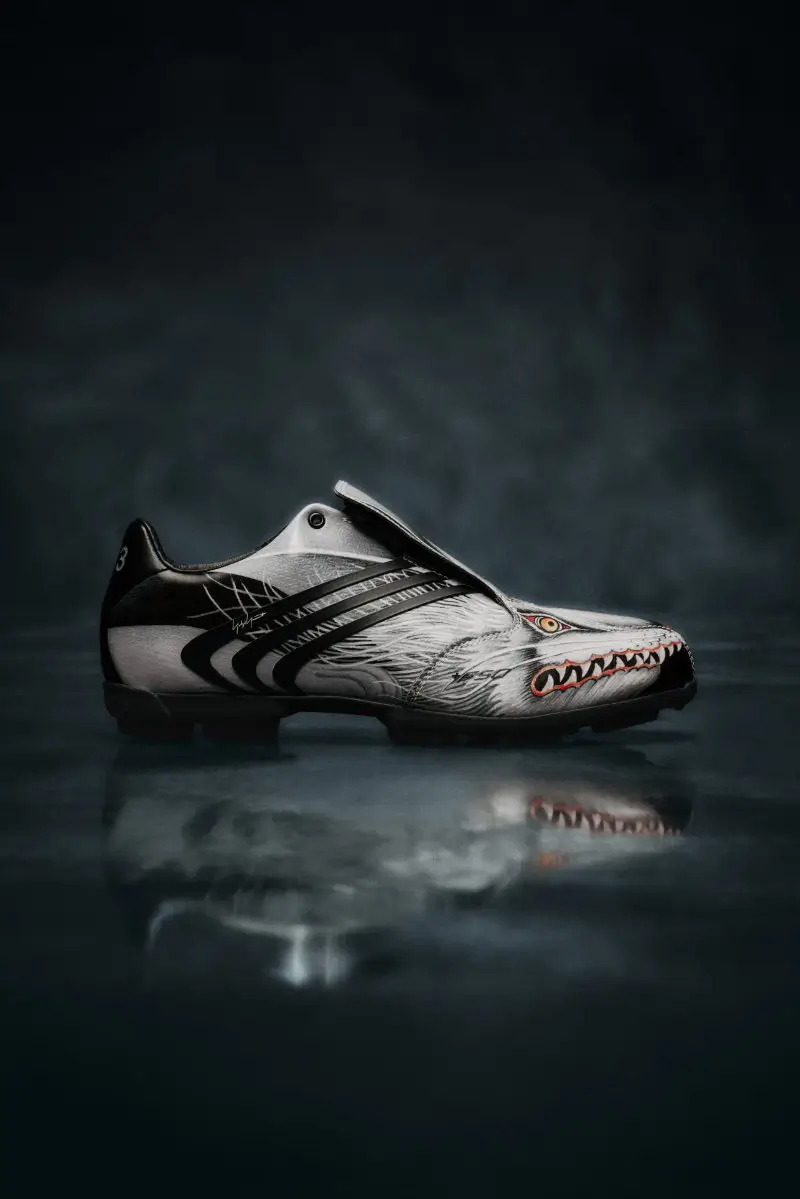
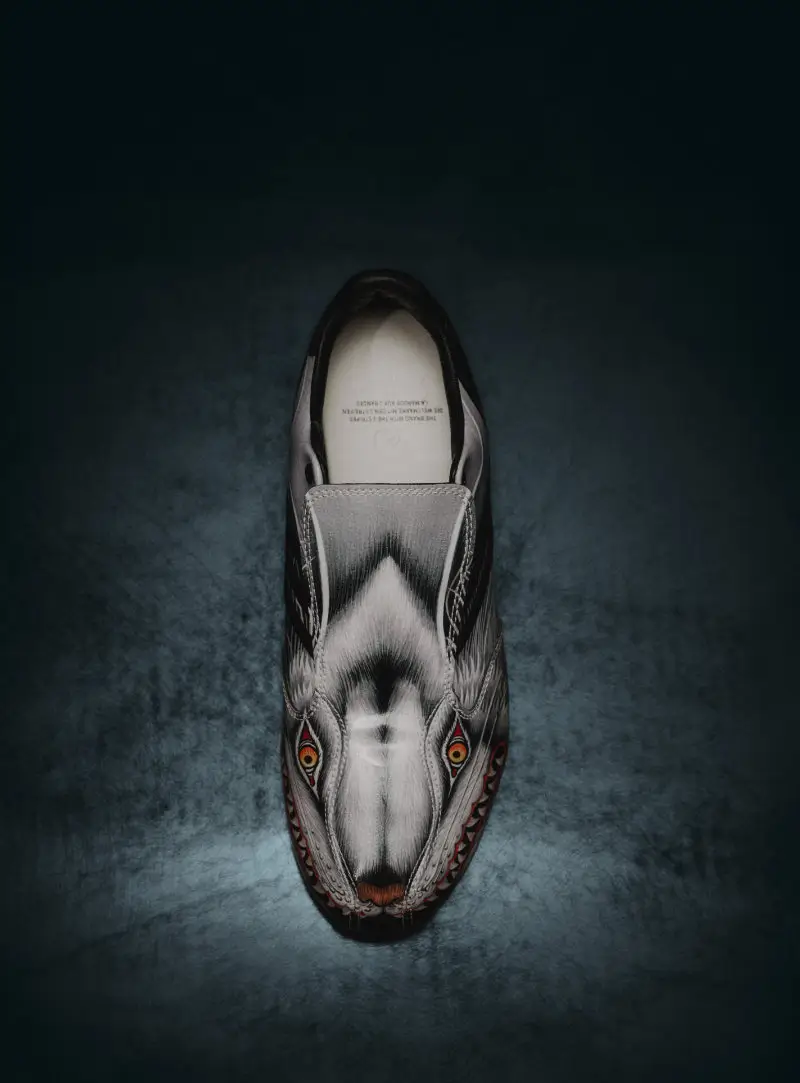
- Wolf (Silver) — leadership, pack mentality, strategic aggression
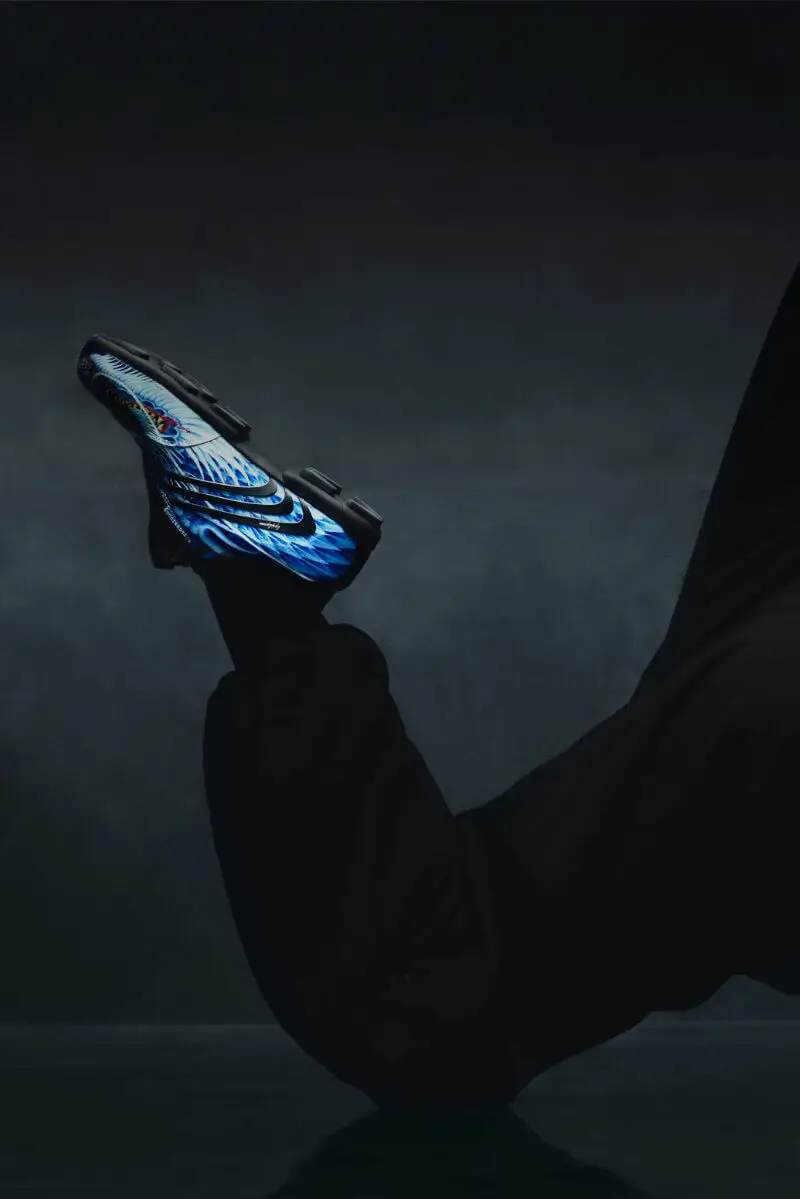
Rather than redesigning these motifs entirely, Y-3 refines them. The artwork feels sharper, less illustrative and more embedded—almost fused into the material rather than printed onto it. This subtle shift mirrors a broader industry trend: performance gear that carries identity not as decoration, but as structure.
The Wolf, notably, becomes the central figure for the pitch-ready model. It is less a mascot than a thesis—football reframed as coordinated intelligence, not individual spectacle.
flow
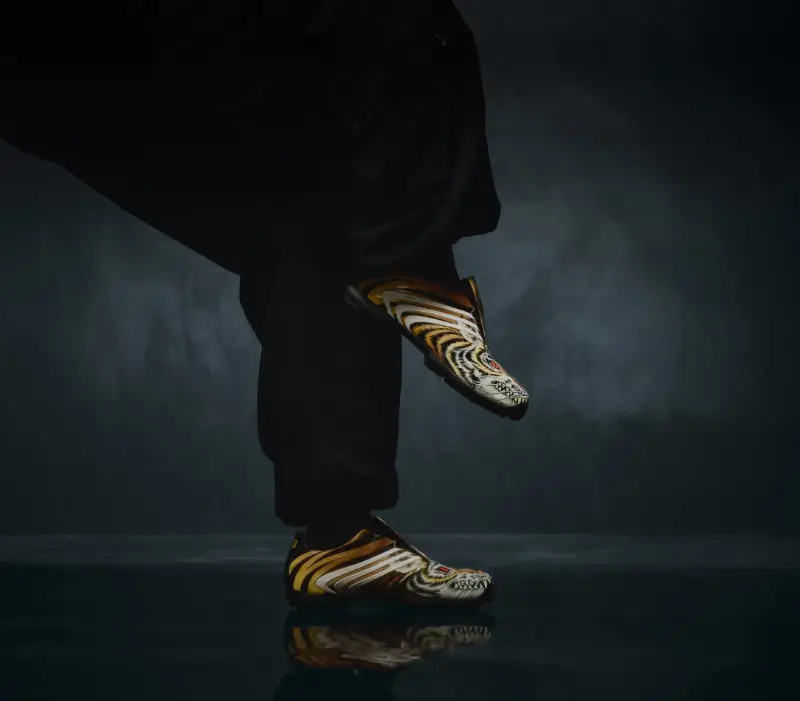
One of the most decisive evolutions in the 2026 release is the lifestyle iteration. Where the original TUNIT system was strictly performance-oriented, this version acknowledges a reality that has since become dominant: football footwear exists as much off the pitch as on it.
The cleated outsole is replaced with a walkable unit, but the silhouette retains its aerodynamic tension. The result is neither a sneaker nor a boot, but something in between—a hybrid object that reflects how sport has dissolved into everyday style.
This shift aligns with how adidas has steadily repositioned football product within lifestyle ecosystems. What was once confined to stadiums now circulates through fashion weeks, music culture, and digital identity. The Y-3 lens sharpens that transition, stripping away overt branding in favor of form and narrative clarity.
show
The on-pitch model—the F50 ELITE FG TUNIT Y-3—retains its competitive intent. Yet even here, the language has evolved.
- HYBRIDTOUCH Upper — engineered for a closer, more adaptive fit, reducing material friction while enhancing ball feel
- SPRINTFRAME 360 Outsole — a structural redesign that prioritizes acceleration and directional stability
- Heel Counter Integration — reinforcing lockdown without visual bulk
- Haptic Branding — subtle, tactile marking replacing overt logos
Each element reflects the current state of elite football design: lighter, more responsive, and increasingly invisible. The technology does not announce itself—it dissolves into performance.
And yet, the presence of Yamamoto’s signature—literally inscribed on each pair—anchors the boot in authorship. This is not anonymous innovation; it is authored design.
position
The reintroduction of the F50 TUNIT did not arrive via a standard product launch. Instead, it surfaced within Y-3’s Fall/Winter 2026 presentation in Paris—a deliberate framing that positions the boot within fashion discourse before sport.
This sequencing matters. By the time the boots reach the pitch in 2026, they will already have circulated through editorial, runway, and cultural channels. The World Cup becomes less a debut and more a culmination.
It also reflects a broader inversion: performance gear no longer waits for validation from sport alone. It enters through culture first, then returns to performance with added meaning.
event
The FIFA World Cup 2026 will be the largest in history, spanning the United States, Canada, and Mexico. It represents not just scale, but fragmentation—multiple cities, audiences, and narratives unfolding simultaneously.
Within that context, the Y-3 F50 TUNIT functions as a unifying object. Its mythology transcends geography; its design language bypasses translation. Whether worn in Los Angeles, Toronto, or Mexico City, it carries the same coded identity.
Crucially, the boots will be worn by elite players—figures whose influence now extends far beyond sport. Their presence transforms the product into a broadcast medium, each match a live campaign.
cont
What distinguishes this release is its refusal to lean too heavily on retro sentiment. While the 2006 origins are acknowledged, they are not romanticized. Instead, the design asks a different question: what does it mean to revisit an idea when the world around it has fundamentally changed?
In 2006, football boots were still largely functional objects with occasional aesthetic flourishes. In 2026, they are cultural artifacts—photographed, collected, and dissected.
The F50 TUNIT’s return recognizes this shift. It is not simply a better version of the original; it is a response to a new context entirely.
dialogue
For Yamamoto, this project extends a long-standing dialogue between tailoring and movement. His approach has never been about forcing fashion onto sport, but about revealing the inherent design intelligence within athletic performance.
The F50 TUNIT embodies that philosophy. Its lines are precise, almost architectural. Its graphics are symbolic rather than decorative. Even its modular origins echo Yamamoto’s interest in transformation—garments and objects that change function without losing identity.
In this sense, the boot is less a product than a proposition: that sport, at its highest level, is already a form of design.
reintro
The TUNIT system itself—once revolutionary—returns into a landscape that has since caught up with its ideas. Interchangeability, customization, and modular performance are now industry norms.
Yet Y-3 reframes the system not as a technical feature, but as a conceptual one. The interchangeable parts become metaphors for adaptability, identity, and evolution.
This reframing is subtle, but significant. It shifts the conversation from “what the boot does” to “what the boot represents.”
fin
As the countdown to 2026 accelerates, the Y-3 F50 TUNIT stands as one of the most considered reintroductions in recent memory. It bridges eras without collapsing them, carrying forward a design language that feels both familiar and newly precise.
More than a boot, it is a convergence point—where mythology, technology, and global sport intersect.
And when the first whistle blows in North America, it will not simply mark the start of another tournament. It will mark the continuation of a narrative that began twenty years earlier—now rewritten for a different stage, a different audience, and a different understanding of what football design can be.