Paris Fashion Week (SS26): Zendaya’s Louis Vuitton Appearance and the Cartier Signal

March 16, 2026

In the ecosystem of global fashion weeks, the front row operates as a stage equal in significance to the runway itself. Celebrities, editors, collectors and cultural figures gather in a carefully choreographed arrangement where visibility translates directly into brand influence. Yet only a handful of appearances manage to transcend the usual mechanics of publicity.
Zendaya’s arrival at the Louis Vuitton Spring/Summer 2026 show was one of those moments.
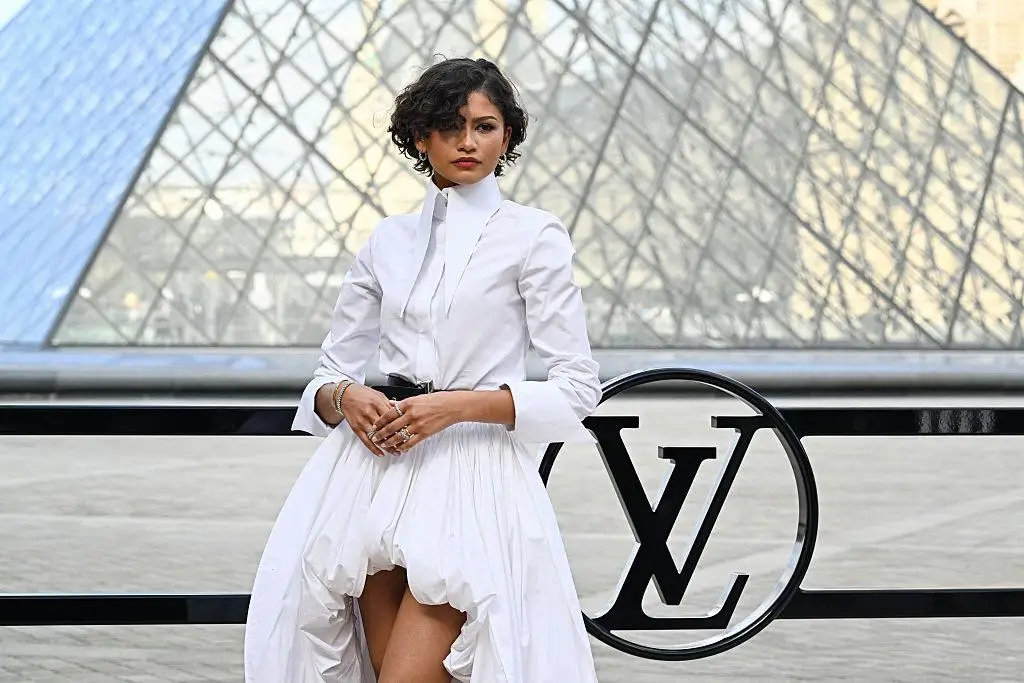
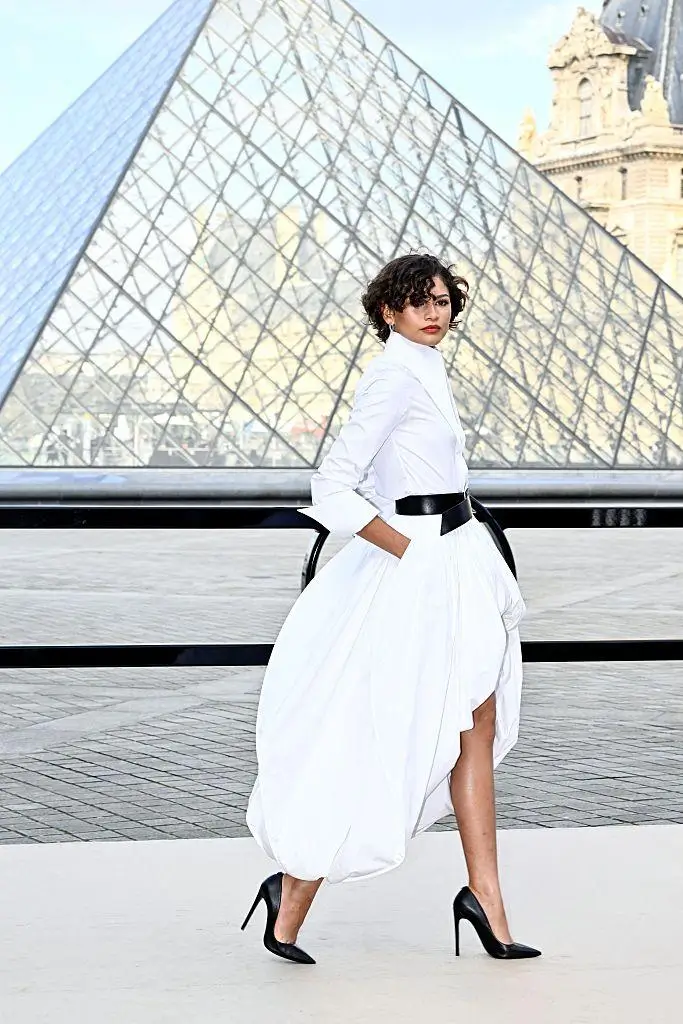
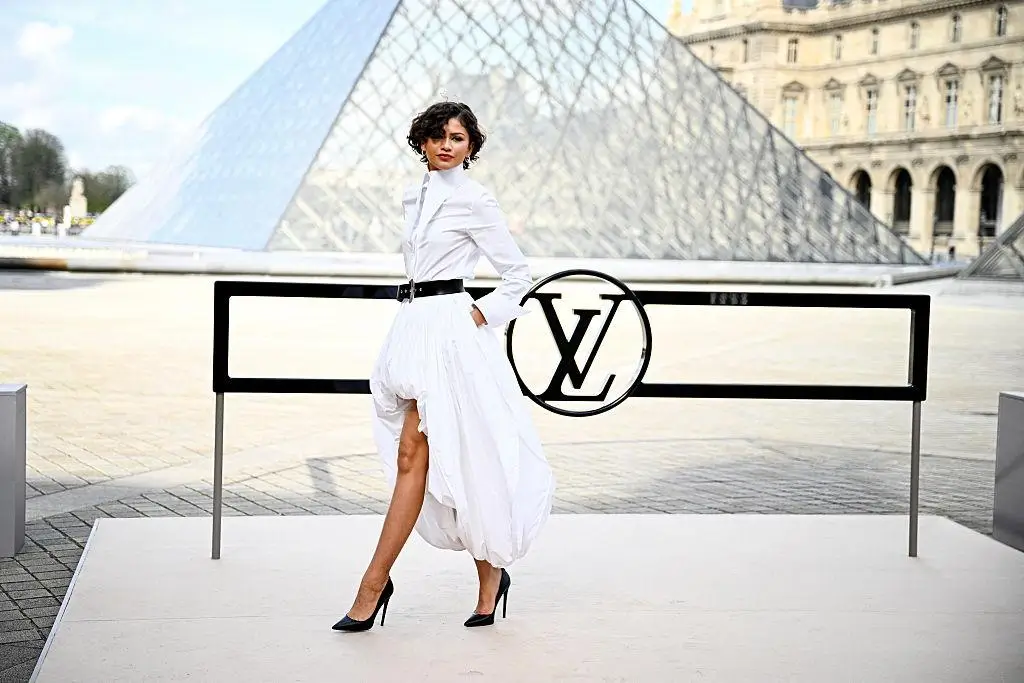
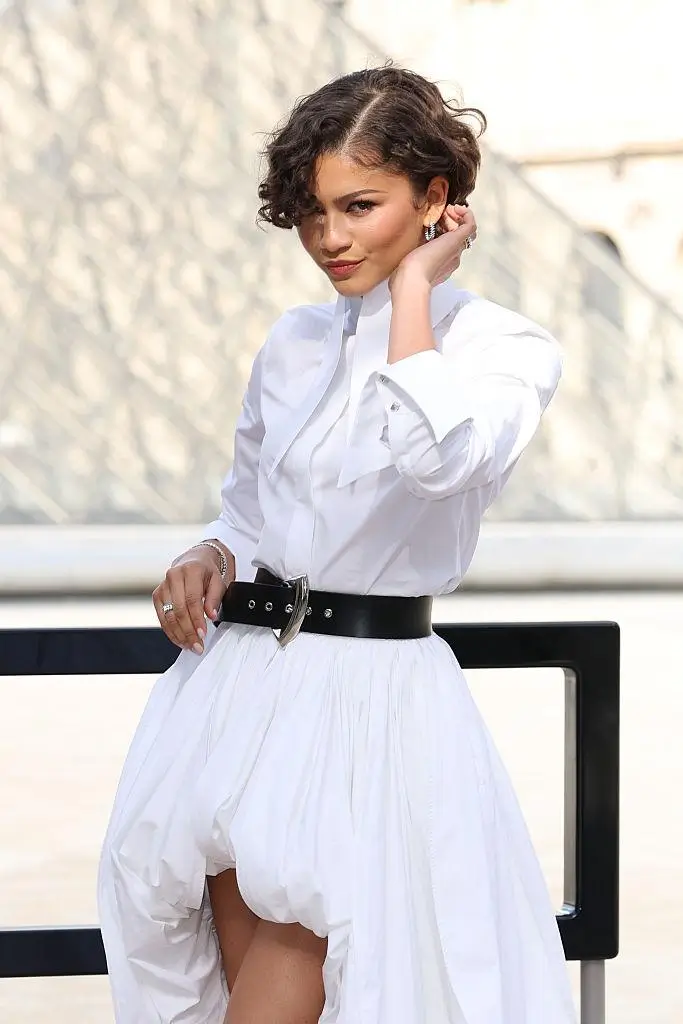
At first glance, the look appeared simple. She wore a white bubble dress from Louis Vuitton’s latest collection, defined by its sculptural volume and restrained palette. The silhouette was cinched by a black belt that created a decisive break in the garment’s curvature. The contrast sharpened the overall form, transforming what might have been whimsical into something architectural.
Then the jewellery came into focus.
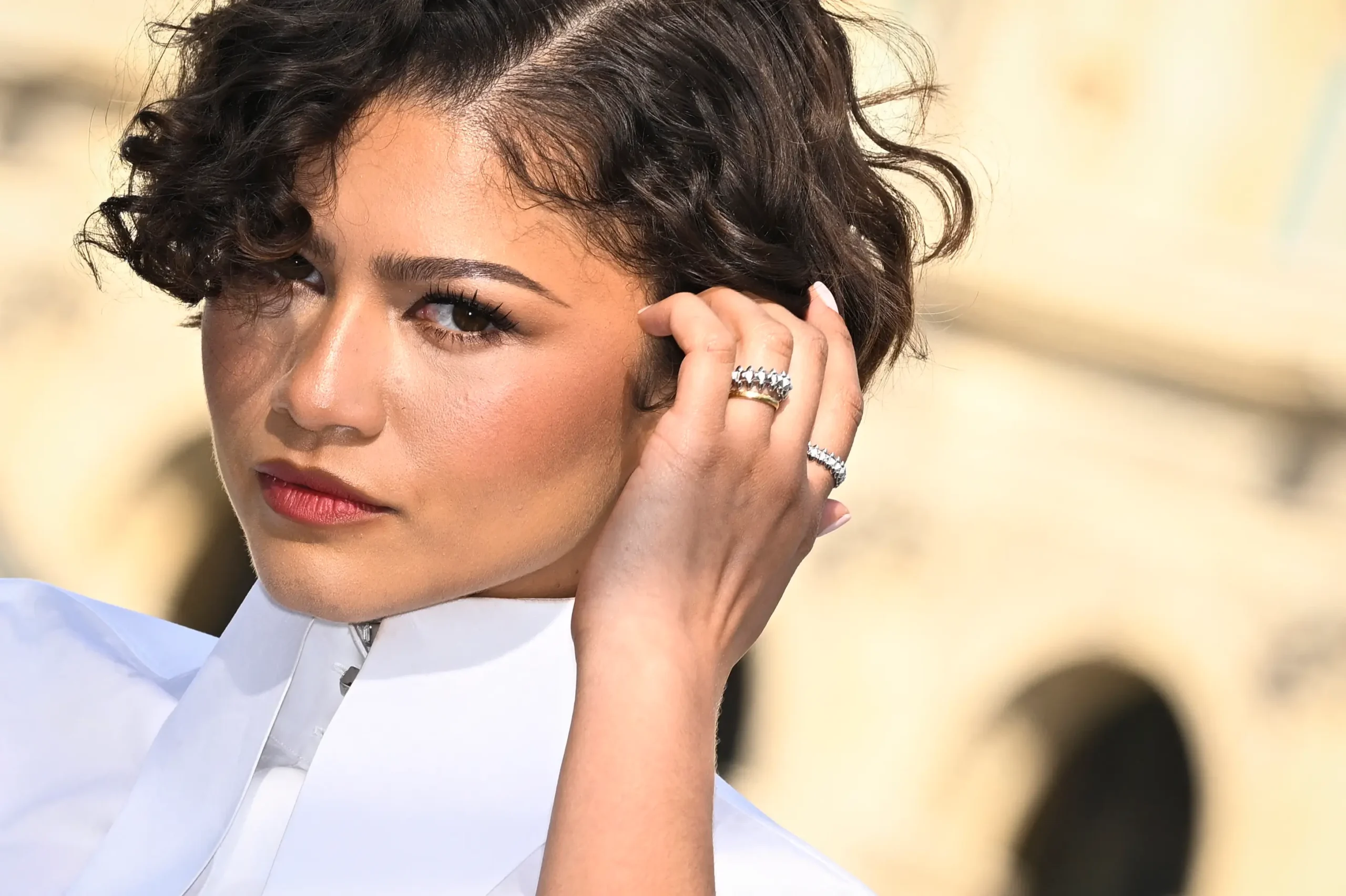
Stacked rings from Cartier’s Clash High Jewellery collection sat confidently on her hands. Stud earrings introduced metallic punctuation. A subtle gold band—minimal yet highly visible in photographs—added a quiet layer of narrative ambiguity.
Together these elements produced a visual moment that traveled across global media within hours.
Fashion editors analyzed the silhouette. Jewellery specialists recognized the Cartier pieces immediately. Social media audiences debated symbolism and intent.
What emerged was not merely a celebrity outfit but a cultural image—one that created simultaneous value for two of the world’s most influential haute maisons.
sil
Louis Vuitton’s Spring/Summer 2026 collection emphasized sculptural experimentation. The bubble dress Zendaya wore embodied this philosophy perfectly.
The garment’s rounded volume projected outward in soft curvature, creating the impression of a floating structure rather than a conventional dress. Its proportions were exaggerated yet controlled, balancing drama with elegance.
White fabric intensified the visual effect.
In fashion photography, white often functions as a reflective canvas. It absorbs light differently than darker materials, allowing shape and contour to become more visible. This made the dress appear almost luminous under the show’s lighting conditions.
The black belt interrupted this softness.
Placed precisely at the waist, the belt introduced linear tension into the otherwise rounded composition. It framed Zendaya’s silhouette while emphasizing the garment’s sculptural proportions.
The overall design felt both futuristic and ceremonial. Observers immediately recognized a bridal resonance within the look. Yet the exaggerated shape prevented it from appearing traditionally romantic.
Instead, the dress suggested a new form of bridal symbolism—modern, architectural, and intentionally ambiguous.
This ambiguity became central to the image’s cultural impression.
View this post on Instagram
cartier
Cartier’s Clash collection has always been defined by contradiction. The pieces combine smooth surfaces with pointed studs, creating jewellery that feels simultaneously refined and rebellious.
On Zendaya, the Clash rings and earrings performed a specific visual function.
They punctuated the softness of the Louis Vuitton dress.
The geometric studs echoed the angular form of the belt buckle. Their metallic surfaces introduced light reflections that balanced the matte fabric of the garment.
Rather than acting as accessories, the jewellery operated like structural reinforcement.
In architecture, punctuation points often define rhythm within a design. Cartier’s jewellery served precisely that purpose here. Each ring and stud added a moment of visual emphasis within the overall composition.
This relationship between garment and jewellery produced a rare form of alignment between two luxury houses.
Often when multiple brands appear within the same look, visual competition emerges. Logos fight for recognition. Accessories appear secondary or decorative.
Zendaya’s styling avoided this dynamic entirely.
The Louis Vuitton dress provided the silhouette.
Cartier provided the geometry.
The two houses functioned within the same aesthetic framework.
stir
One of the reasons the image traveled so quickly across global media was its narrative ambiguity.
The white dress carried immediate bridal associations. The gold band reinforced that symbolism. Yet the overall styling avoided any explicit confirmation of a romantic narrative.
This uncertainty activated audience curiosity.
Speculation spread rapidly across social platforms. Was Zendaya hinting at an engagement? Was the bridal reference intentional? Was the look symbolic or simply aesthetic?
These questions extended the lifespan of the image far beyond the duration of the fashion show.
When audiences speculate, they participate in storytelling. Each repost, caption, and comment extends the reach of the original image.
For Louis Vuitton and Cartier, the ambiguity surrounding Zendaya’s look multiplied its impact. The photograph became both fashion documentation and cultural narrative.
flow
Zendaya’s presence at the Louis Vuitton show was not a spontaneous celebrity appearance. It was part of a long-term relationship between the actor and the French fashion house.
Over the past several years, Zendaya has become one of Louis Vuitton’s most recognizable ambassadors. Campaigns, editorial shoots, and red-carpet appearances have gradually integrated her into the brand’s visual identity.
This continuity matters.
Opulent audiences increasingly value authenticity over overt marketing. When a celebrity’s relationship with a brand appears long-term and natural, audiences perceive the partnership as genuine rather than transactional.
Zendaya’s personal aesthetic aligns closely with Louis Vuitton’s evolving design language. Her willingness to experiment with silhouette and proportion mirrors the house’s current creative direction.
Cartier’s jewellery added another layer of continuity.
Zendaya has worn Cartier pieces in editorial and cultural contexts before. The brand’s sculptural jewellery complements her modern, minimal approach to styling.
To viewers, the combination felt organic.
To haute strategists, it demonstrated the power of narrative consistency.
front row
Paris Fashion Week is often described as a runway event, but in reality the front row holds equal importance.
Before a show begins, photographers document arriving guests. These images circulate instantly across digital media, creating the first wave of visibility for the collection.
Zendaya’s arrival generated precisely this effect.
Within minutes, photographs of her look appeared across fashion publications, entertainment outlets, and social media feeds. The white dress contrasted sharply against the darker environment of the show venue, ensuring that the images translated well across screens.
The jewellery provided reflective highlights that caught camera flashes.
Every element of the look was photographically optimized.
As the images spread online, the narrative surrounding the outfit evolved. Fashion commentators praised the architectural silhouette. Jewellery experts highlighted the Cartier Clash pieces.
style
Luxury houses rarely share visual space easily.
Each brand invests significant resources into maintaining a distinct identity. When multiple maisons appear within a single photograph, tension often arises regarding visibility and ownership.
Zendaya’s look presented a rare exception.
Louis Vuitton and Cartier benefited simultaneously from the same image without diminishing one another.
This occurred because the styling prioritized form over branding.
There were no visible logos competing for attention. Instead, recognition came from design language.
Fashion insiders identified the Louis Vuitton silhouette immediately. Jewellery experts recognized the Clash collection through its distinctive studded geometry.
The image communicated brand identity without requiring overt labeling.
This subtlety reinforced the luxury positioning of both houses.
show
Luxury brands typically invest large budgets into advertising campaigns designed to achieve global visibility. Yet cultural imagery—photographs that resonate organically with audiences—can produce comparable exposure without direct expenditure.
Zendaya’s front row look achieved this effect.
Editorial coverage multiplied across fashion publications. Influencers reposted the images. Fans shared the photographs across multiple platforms.
Within hours, the image became one of the defining visuals of the Louis Vuitton SS26 show.
For Cartier, the benefit was equally significant. The jewellery pieces appeared within an image that circulated globally, reinforcing the brand’s contemporary relevance.
The photograph effectively functioned as a shared campaign.
gen
Expensive-thrift consumption is undergoing a generational shift.
Younger high-net-worth individuals—particularly those emerging within global technology and creative industries—place increasing emphasis on authenticity. They value narrative coherence and cultural credibility.
Zendaya’s presence resonates strongly with this audience.
Her career combines film, television, fashion and cultural influence in a way that feels multidimensional. She is perceived less as a celebrity endorser and more as a creative collaborator.
This perception strengthens the brands she aligns with.
Louis Vuitton benefits from her cultural credibility. Cartier benefits from her modern elegance.
For emerging luxury buyers, the combination suggests a lifestyle rather than a marketing message.
The result is increased emotional engagement with both houses.
grad
Iconic fashion images often emerge unexpectedly.
They are rarely produced through elaborate staging or dramatic spectacle. Instead, they arise from moments of visual clarity—where silhouette, styling and persona align perfectly.
Zendaya’s appearance at the Louis Vuitton SS26 show possessed this clarity.
The white bubble dress provided immediate visual identity. The black belt defined structure. The Cartier jewellery introduced geometric contrast.
Zendaya herself unified these elements with composure and confidence.
The resulting image felt effortless yet precise.
It captured a moment where fashion, jewellery and celebrity identity converged into a single coherent visual narrative.
fwd
Zendaya’s front row appearance offers a subtle blueprint for future luxury strategy.
Rather than orchestrating overt collaborations, luxury houses may increasingly pursue aesthetic alignment. When two brands share compatible design languages, their coexistence within a single image can amplify both identities.
This approach prioritizes coherence over competition.
Louis Vuitton’s sculptural tailoring and Cartier’s architectural jewellery proved naturally compatible. Zendaya’s presence provided the connective tissue between them.
The photograph demonstrated how luxury storytelling can emerge from visual harmony.
fin
Fashion week produces thousands of images every season, yet only a few remain memorable months later.
Zendaya’s Louis Vuitton appearance endures because it encapsulates several forces shaping contemporary luxury.
It demonstrates the importance of silhouette in modern fashion. It highlights the power of jewellery as structural design rather than ornament. And it reveals how celebrity identity can transform a simple outfit into a cultural event.
Most importantly, it shows how authenticity amplifies brand value.
Zendaya did not appear to promote Louis Vuitton or Cartier explicitly. She appeared to inhabit their design languages naturally.
That authenticity allowed audiences to see not a marketing campaign but a coherent visual world.
For Louis Vuitton and Cartier, the result was invaluable: a single image that communicated elegance, innovation and cultural relevance simultaneously.

No comments yet.